
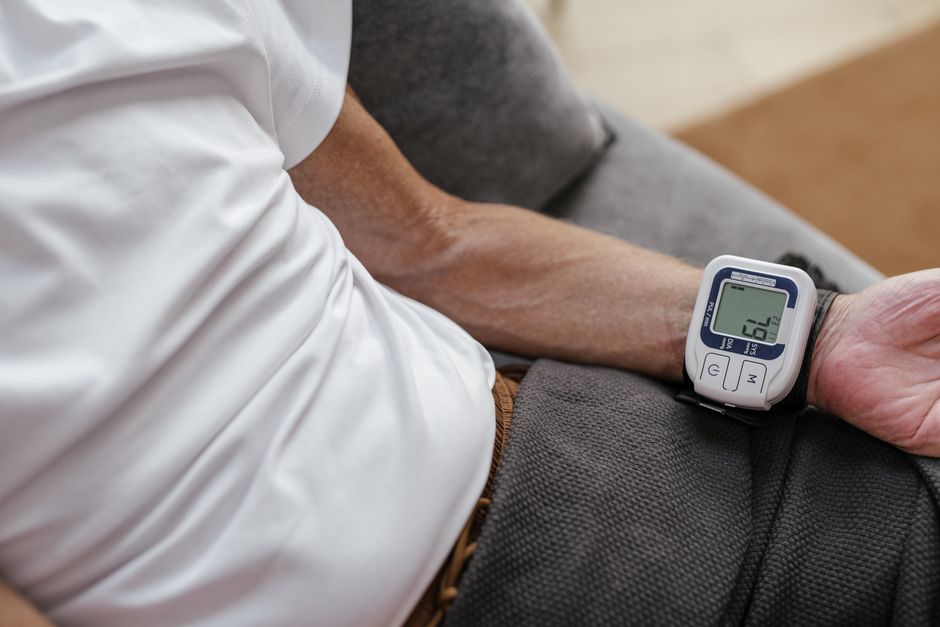
Low diastolic blood pressure means the bottom number in your blood pressure reading is below 60 mmHg. The top number (systolic) may be normal or high. This condition matters because the diastolic number reflects the pressure in your arteries when your heart rests between beats. If that number stays too low for too long, your organs may not get enough blood flow. To raise it, you need to address the root cause, adjust your fluids and salt intake, review your medications, and use physical strategies that push blood back toward your heart.
What Is Diastolic Blood Pressure and Why Does It Matter?
Blood pressure readings have two numbers. Systolic pressure is the force when your heart contracts and pushes blood out. Diastolic pressure is the force when your heart relaxes and refills with blood. A normal reading is around 120/80 mmHg. The diastolic number is the 80.
Low diastolic pressure is generally defined as below 60 mmHg. Some people live with readings in the 50s and feel fine. Others develop symptoms like dizziness, fatigue, or fainting. The concern is that very low diastolic pressure can reduce blood flow to the heart muscle itself. Some research has linked diastolic pressure below 60 to higher risk of heart damage in people who already have heart disease. This is called the J-curve phenomenon, and while the exact threshold is debated, the general principle is that too-low pressure is not harmless.
Diastolic pressure matters most during the heart’s rest phase. That is when the coronary arteries fill with blood and deliver oxygen to the heart muscle. If the resting pressure is too low, that delivery can be compromised.
What Causes Low Diastolic Blood Pressure?
Several things can push the diastolic number down. Knowing the cause is the first step because treatment depends on it.
Medications are a common cause. Blood pressure drugs, especially alpha-blockers and some beta-blockers, can lower diastolic pressure more than systolic. Diuretics remove fluid from the body, which can also drop pressure. If you take any of these, your doctor may adjust the dose or switch you to a different class of medication.
Dehydration reduces blood volume. Less fluid in your veins means less pressure against the vessel walls, especially during the resting phase. This is one of the most reversible causes.
Prolonged bed rest or physical deconditioning makes the body less efficient at regulating blood pressure. The blood pools in the legs when you stand, and the diastolic number drops.
Pregnancy can cause low blood pressure, especially in the second trimester. The circulatory system expands, and hormones relax vessel walls.
Endocrine problems like thyroid disease or adrenal insufficiency can affect pressure regulation. So can nutritional deficiencies, particularly low vitamin B12 or folate, which can lead to anemia and reduced blood volume.
Age-related changes matter too. As arteries stiffen with age, systolic pressure often rises while diastolic pressure falls. This creates a wide pulse pressure, which is the difference between the two numbers.
How To Increase Diastolic Blood Pressure: Step by Step
These steps are general guidance. They are not a substitute for a medical evaluation. Work with your doctor to determine which steps apply to your situation.
Step 1: Confirm the reading. One low reading is not a diagnosis. Blood pressure varies throughout the day. Take multiple readings at different times. Use a validated home monitor. Sit quietly for five minutes before measuring. If the diastolic number is consistently below 60, that is when action is warranted.
Step 2: Increase fluid intake. Dehydration is the most fixable cause. Aim for enough water that your urine is light yellow. The old advice of eight glasses a day is not a universal rule, but if you are dehydrated, increasing fluids will raise blood volume and pressure. If you have heart failure or kidney disease, talk to your doctor before increasing fluids.
Step 3: Check your salt intake. Sodium holds water in the bloodstream, which raises blood pressure. If your blood pressure is low, a moderate increase in dietary salt may help. This is the opposite of standard blood pressure advice, and it only applies if your pressure is actually low. Do not do this if you have heart failure, kidney disease, or a history of high blood pressure that is now being treated. Ask your doctor what sodium level is appropriate for you.
Step 4: Review your medications with your doctor. If you take blood pressure medication, the dose may be too high for your current needs. Some people need less medication as they age or as their weight changes. Never adjust your own medication. Work with your doctor to find the lowest effective dose.
Step 5: Use physical countermeasures. Compression stockings push blood from the legs back toward the chest. This increases the amount of blood available to the heart and can raise diastolic pressure. They are most helpful for people who get dizzy when standing. Leg exercises and ankle pumps also help by activating the calf muscle pump, which returns blood to the heart.
Step 6: Move slowly when changing position. Stand up gradually from sitting or lying down. This gives your blood vessels time to adjust. If you feel dizzy, sit down immediately.
Step 7: Eat smaller meals. After a large meal, blood pools in the digestive tract. This can cause postprandial hypotension, a drop in blood pressure after eating. Smaller, more frequent meals reduce this effect.


When Low Diastolic Pressure Is Dangerous
Symptoms matter more than the number itself. If you feel fine with a diastolic pressure in the 50s, your doctor may simply monitor it. If you experience dizziness, fainting, chest pain, confusion, or extreme fatigue, that is a different situation.
Seek emergency care if you faint, have chest pain, or feel short of breath. Low blood pressure combined with these symptoms can indicate a serious problem like internal bleeding, a heart attack, or a severe infection. In these cases, the low pressure is a symptom of the underlying emergency, not the primary problem.
Chronic low diastolic pressure with symptoms should be evaluated. Your doctor may order blood tests to check for anemia, thyroid function, vitamin levels, or adrenal function. An electrocardiogram may be done to check heart rhythm and function.
Lifestyle Adjustments That Support Healthy Blood Pressure
Some lifestyle changes can help stabilize blood pressure over time. These are not quick fixes. They work gradually.
Regular exercise strengthens the cardiovascular system. Aerobic exercise like walking, swimming, or cycling improves the heart’s ability to pump effectively. Strength training builds muscle mass, which helps maintain blood volume and pressure. Start slowly if you have been inactive. Some research suggests that isometric exercises like wall squats and handgrip exercises may be particularly effective for blood pressure regulation, but the evidence for raising low pressure specifically is less clear.
Adequate sleep matters. Poor sleep affects the hormones that regulate blood pressure. Most adults need seven to nine hours per night.
Alcohol in moderation. Heavy drinking can lower blood pressure and cause dehydration. If you drink, keep it moderate. That means no more than one drink per day for women and two for men.
Vitamin B12 and folate. If you are deficient in these vitamins, you may have anemia, which lowers blood volume and pressure. A blood test can confirm a deficiency. Supplementation only helps if you are actually deficient. Taking extra vitamins when your levels are normal will not raise your blood pressure.
Medical Treatments for Low Diastolic Pressure
When lifestyle changes are not enough, doctors have medical options. These are reserved for people with symptoms or underlying conditions.
Fludrocortisone is a medication that helps the kidneys retain sodium and water. This increases blood volume and raises blood pressure. It is used for chronic low blood pressure, but it requires monitoring because it can cause low potassium and fluid retention.
Midodrine is a medication that narrows blood vessels. This raises blood pressure by increasing resistance in the arteries. It is used when other approaches fail. It can cause high blood pressure when lying down, so it is usually taken during daytime hours.
These medications are not first-line treatments. They are used when the cause is understood and other measures have not worked. They require a prescription and regular follow-up.
What Does Not Work
Some popular ideas about raising blood pressure do not hold up. Caffeine can cause a short-term spike in blood pressure, but the effect is temporary and varies from person to person. It is not a reliable treatment for chronic low diastolic pressure.
Energy drinks and over-the-counter stimulants are not appropriate. They can cause heart rhythm problems and dangerous spikes in systolic pressure while doing little for the diastolic number.
Supplements marketed for blood pressure support are largely unproven. Some research has looked at herbs like licorice root, which can raise blood pressure by causing fluid retention, but this effect is unpredictable and can be dangerous. Licorice root can cause low potassium and high blood pressure. No clinical guidelines recommend it for low diastolic pressure.
Frequently Asked Questions
What is a dangerously low diastolic blood pressure?
A diastolic reading below 60 mmHg is considered low. It becomes dangerous when it causes symptoms like fainting, chest pain, or confusion, or when it occurs in someone with existing heart disease.
Can drinking more water raise diastolic blood pressure?
Yes, if the low pressure is caused by dehydration. Increasing fluid intake raises blood volume, which increases pressure in the arteries.
Does salt help low diastolic blood pressure?
Salt can help because it holds water in the bloodstream, increasing blood volume. Only do this if your doctor confirms it is safe, especially if you have heart or kidney problems.
Can I raise diastolic blood pressure without medication?
Yes. Increasing fluids, adjusting salt intake, wearing compression stockings, and moving slowly when standing can all help. These measures work best when the cause is dehydration or blood pooling in the legs.
