
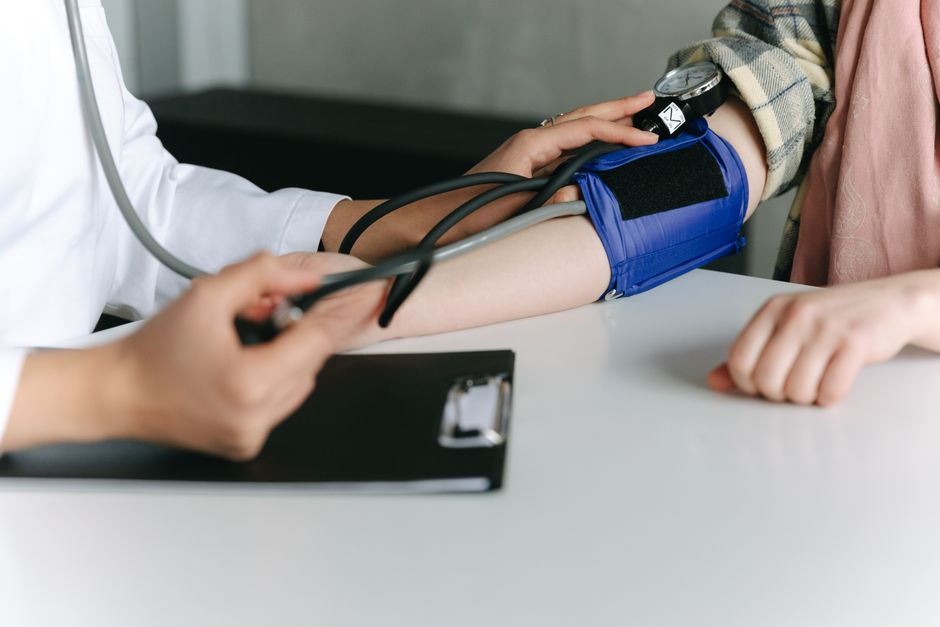
Blood pressure readings above 180/120 mmHg are considered a hypertensive crisis and require immediate medical attention. At this level, the force of blood against artery walls can cause damage to blood vessels, leading to stroke, heart attack, or organ failure. Anything above 200/130 mmHg is extremely dangerous and can be life-threatening within minutes without emergency care.
What Do Blood Pressure Numbers Actually Mean?
Blood pressure is measured with two numbers. The top number is systolic pressure. That is the pressure in your arteries when your heart beats. The bottom number is diastolic pressure. That is the pressure in your arteries when your heart rests between beats.
A normal reading is below 120/80 mmHg. Elevated blood pressure starts at 120-129 systolic with diastolic under 80. Stage 1 hypertension is 130-139 systolic or 80-89 diastolic. Stage 2 hypertension is 140 or higher systolic or 90 or higher diastolic.
These ranges come from the American Heart Association and the American College of Cardiology. They are based on large population studies showing when risk for heart disease and stroke starts to increase.
Many people focus only on the top number. The diastolic number matters too. Research shows that elevated diastolic pressure is a strong predictor of heart disease risk, especially in younger adults.
How High Can Blood Pressure Go Before Its Dangerous?
Blood pressure can rise to extreme levels. Readings of 200/120, 220/130, or even 250/140 are possible during a hypertensive crisis. At these levels, blood vessels can rupture or leak fluid into surrounding tissues.
The danger zone starts at 180/120 mmHg. The CDC defines this as a hypertensive crisis. At this point, the risk of a stroke increases dramatically. The brain’s blood vessels are delicate. Extreme pressure can cause them to burst, leading to hemorrhagic stroke.
Blood pressure above 220/140 is sometimes called a hypertensive emergency. This means organ damage is actively happening or very likely. The kidneys, heart, brain, and eyes are most vulnerable. Without rapid treatment, permanent damage or death can occur.
It is rare for blood pressure to reach these levels without symptoms. Most people with dangerously high pressure experience severe headache, chest pain, shortness of breath, vision changes, or confusion. But some people have no warning signs at all.
What Happens to Your Body at Dangerous Blood Pressure Levels?
When blood pressure hits crisis levels, the body responds in specific ways. The heart works harder to pump blood against high resistance. This can lead to chest pain or heart attack if the coronary arteries cannot keep up with demand.
The brain is especially sensitive. Research published in the journal Hypertension found that blood pressure above 180/120 significantly increases the risk of stroke. The tiny blood vessels in the brain can tear or become blocked.
Kidneys filter blood through delicate capillaries. Under extreme pressure, these capillaries can leak or rupture. This causes acute kidney injury. The National Kidney Foundation reports that hypertensive emergencies are a leading cause of sudden kidney failure.
Blood vessels in the eyes can also be damaged. This is called hypertensive retinopathy. It can cause blurred vision, blind spots, or permanent vision loss if not treated quickly.
| Category | Systolic (top number) | Diastolic (bottom number) | Action Needed |
|---|---|---|---|
| Normal | Below 120 | Below 80 | Maintain healthy habits |
| Elevated | 120-129 | Below 80 | Monitor, lifestyle changes |
| Stage 1 Hypertension | 130-139 | 80-89 | Consult doctor |
| Stage 2 Hypertension | 140 or higher | 90 or higher | Medication likely needed |
| Hypertensive Crisis | 180 or higher | 120 or higher | Emergency medical help |

What Causes Blood Pressure to Spike So High?
Several things can cause blood pressure to jump to dangerous levels. The most common cause is untreated or poorly managed chronic hypertension. People who stop taking their blood pressure medication are at high risk for a sudden spike.
Other triggers include severe stress, intense pain, or panic attacks. These activate the sympathetic nervous system, which releases stress hormones that constrict blood vessels and increase heart rate.
Certain drugs can cause hypertensive crises. Cocaine, methamphetamine, and excessive alcohol use are known triggers. Some over-the-counter medications like decongestants and nonsteroidal anti-inflammatory drugs can also raise blood pressure significantly in some people.
Medical conditions like kidney disease, thyroid storms, or pregnancy-related preeclampsia can also drive blood pressure to dangerous levels. In these cases, the underlying condition needs treatment along with the blood pressure itself.
How Is a Hypertensive Crisis Treated in an Emergency?
Emergency treatment for a hypertensive crisis happens in a hospital. Doctors give intravenous medications to lower blood pressure gradually. The goal is not to drop the pressure to normal immediately. A rapid drop can cause more harm by reducing blood flow to vital organs.
Typical IV medications include labetalol, nicardipine, or sodium nitroprusside. These drugs work within minutes. Doctors monitor blood pressure continuously and adjust the dose as needed.
Patients are usually admitted to intensive care. Tests are run to check for organ damage. This includes blood tests for kidney function, an ECG for heart damage, and imaging of the brain if stroke is suspected.
Once blood pressure is stabilized, doctors identify the underlying cause. Long-term management often includes adjusting oral medications, addressing lifestyle factors, and treating any contributing conditions.
What Are the Warning Signs of Dangerously High Blood Pressure?
Dangerously high blood pressure often causes clear symptoms. The most common are severe headache and chest pain. Shortness of breath and vision changes are also frequent. Some people report nosebleeds or severe anxiety.
Neurological symptoms are especially concerning. These include confusion, difficulty speaking, weakness on one side of the body, or loss of coordination. These signs suggest a stroke may be happening.
Not everyone has symptoms. Some people with chronic hypertension can have readings above 200/120 without feeling anything. This is why regular blood pressure monitoring is important, especially for people with known hypertension.
If you suspect your blood pressure is dangerously high, do not wait to see if symptoms develop. Check your reading with a home monitor. If it is 180/120 or higher, call 911 immediately.
- Severe headache that does not go away
- Chest pain or pressure
- Shortness of breath
- Blurred vision or seeing spots
- Confusion or difficulty speaking
- Nosebleeds that do not stop
- Severe anxiety or feeling of doom
Common Misconceptions About Blood Pressure Danger Levels
Many people believe that a single high reading means they are in immediate danger. A one-time reading of 160/100 after a stressful event is not the same as a sustained reading of 180/120. Context matters. A single high reading should be rechecked after a few minutes of rest.
Some people think they can feel when their blood pressure is high. This is not reliable. Hypertension is called the silent killer for a reason. Many people have dangerously high readings without any symptoms at all. The only way to know is to measure it.
Another common myth is that blood pressure can be lowered quickly at home by drinking water or taking a cold shower. These methods do not work for a true crisis. They may even be dangerous if they delay getting emergency care.
There is no safe way to rapidly lower extremely high blood pressure at home. If your reading is 180/120 or higher, call 911. Do not try to drive yourself to the hospital. Emergency medical services can begin treatment in the ambulance.
Frequently Asked Questions
What is the highest blood pressure recorded in a living person?
The highest documented blood pressure in a living person was around 370/360 mmHg, but this is extremely rare and almost always fatal without immediate intervention.
Can blood pressure of 200/120 cause a stroke?
Yes, a reading of 200/120 significantly increases the risk of stroke because the extreme pressure can cause blood vessels in the brain to rupture or become blocked.
How long can you survive with blood pressure over 200?
Without emergency treatment, survival time can be minutes to hours depending on underlying health and which organs are damaged first.
Is blood pressure 160/100 dangerous enough to go to the hospital?
A reading of 160/100 is stage 2 hypertension and requires a doctor’s appointment soon, but it is not a hypertensive crisis unless it reaches 180/120 or higher.
