
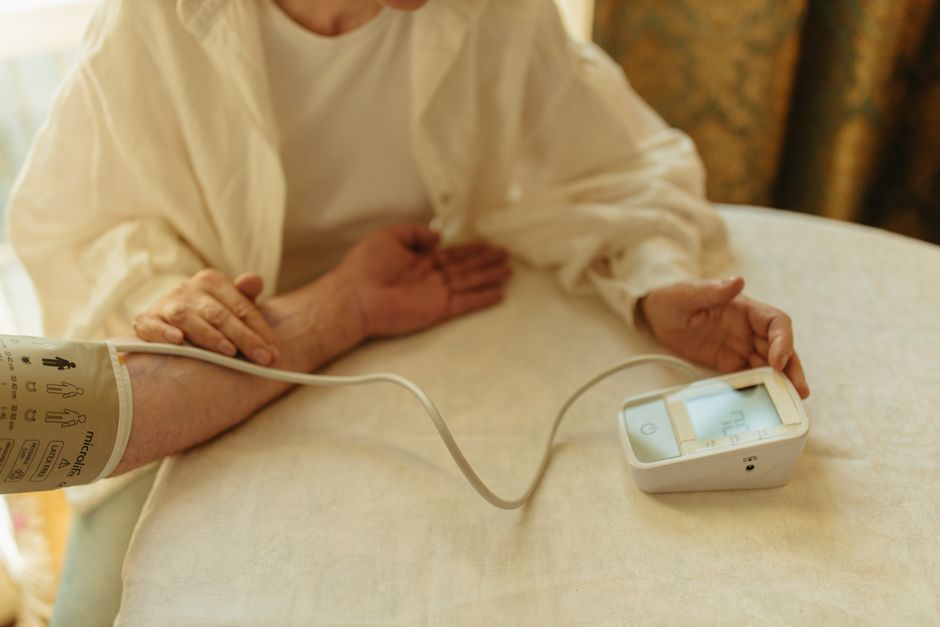
Blood pressure readings have two numbers. The top number is systolic pressure, which measures the force when your heart beats. The bottom number is diastolic pressure, which measures the force when your heart rests between beats. A normal reading is below 120/80 mmHg, and anything consistently above 130/80 mmHg is considered high blood pressure, or hypertension.
What Do the Top and Bottom Numbers Actually Mean?
The top number, systolic pressure, is the peak pressure in your arteries when your heart contracts and pushes blood out. It is always the higher of the two numbers. The bottom number, diastolic pressure, is the lowest pressure in your arteries right before your heart beats again.
Many people focus only on the top number. That is a mistake. Research published in the New England Journal of Medicine has shown that both numbers matter for predicting heart attack and stroke risk. In younger adults under 50, the diastolic number may be a stronger predictor of heart disease. In adults over 50, the systolic number becomes more important.
The unit of measurement is millimeters of mercury, or mmHg. This comes from the original mercury-based blood pressure cuffs. Modern devices use electronic sensors but still report in the same unit. A reading of 120/80 mmHg is spoken as “120 over 80.”
How Are Blood Pressure Categories Defined?
The American Heart Association and the American College of Cardiology define five categories. These guidelines were last updated in 2017 and are widely accepted by doctors in the United States.
| Category | Systolic (top number) | Diastolic (bottom number) |
|---|---|---|
| Normal | Less than 120 | Less than 80 |
| Elevated | 120-129 | Less than 80 |
| Stage 1 Hypertension | 130-139 | 80-89 |
| Stage 2 Hypertension | 140 or higher | 90 or higher |
| Hypertensive Crisis | Higher than 180 | Higher than 120 |
If your systolic and diastolic numbers fall into different categories, you are classified into the higher category. For example, a reading of 135/75 is Stage 1 hypertension because the top number is in that range, even though the bottom number is normal.
A single high reading does not mean you have hypertension. Blood pressure fluctuates throughout the day. It rises with exercise, stress, and even talking. Doctors typically diagnose hypertension only after two or more elevated readings taken on separate occasions.
How To Read Blood Pressure What The Numbers Mean at Home
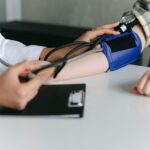
Home monitoring is useful but only if done correctly. The CDC recommends using a validated, upper-arm cuff monitor. Wrist and finger monitors are less reliable and should be avoided for diagnosis.
Follow these steps for an accurate reading:
- Sit quietly for five minutes before measuring. Do not talk.
- Place the cuff on your bare upper arm, not over clothing.
- Keep your arm supported at heart level on a table.
- Keep your feet flat on the floor. Do not cross your legs.
- Take two readings one minute apart and average them.
Measure at the same time each day, usually morning before eating or taking medication and evening before dinner. Record every reading in a log. Bring this log to your doctor appointments. A single reading at the doctor’s office can be misleading due to “white coat syndrome,” where anxiety raises your numbers temporarily.

What Causes High Blood Pressure and When Should You Worry?
Most cases of high blood pressure have no single identifiable cause. Doctors call this primary or essential hypertension. It develops gradually over years and is linked to age, genetics, diet high in sodium, lack of physical activity, and being overweight.
Secondary hypertension is less common. It is caused by an underlying condition such as kidney disease, thyroid problems, sleep apnea, or certain medications like decongestants and birth control pills. Secondary hypertension tends to come on suddenly and cause higher readings than primary hypertension.
A reading above 180/120 mmHg is a hypertensive crisis. This is a medical emergency. If you get this reading and also have chest pain, shortness of breath, back pain, numbness, or vision changes, call 911 immediately. If you get this reading but feel fine, wait five minutes and check again. If it is still above 180/120, call your doctor or go to an emergency room.
Some people report that certain foods or drinks spike their blood pressure temporarily. That is real. Caffeine, for example, can raise systolic pressure by 5-10 mmHg within 30 minutes in people who do not consume it regularly. However, for regular coffee drinkers, this effect is minimal. The evidence on long-term caffeine and hypertension is mixed.
Common Misconceptions About Blood Pressure Numbers
A common myth is that a normal reading is 120/80 for everyone. That is not entirely accurate. While 120/80 is the cutoff for normal, slightly lower readings are fine. A reading of 110/70 is healthy. A reading of 90/60 is generally fine if you have no symptoms like dizziness or fainting.
Another myth is that low blood pressure is always good. Hypotension, or low blood pressure, becomes a problem when it causes symptoms. The threshold for concern is typically below 90/60 mmHg. Some people naturally run low and feel fine. Others experience dizziness, fainting, dehydration, or even shock at those levels.
Some people believe that if their numbers are normal at the doctor’s office, they are fine at home. This is not always true. Masked hypertension is the opposite of white coat syndrome. Your readings are normal in the clinic but high at home. Research suggests this affects about 10-15% of people. Home monitoring is the only way to catch it.
There is also a belief that blood pressure medication is a cure. It is not. Medication manages the condition, but it does not cure it. Lifestyle changes like reducing sodium, increasing potassium intake, regular exercise, limiting alcohol, and maintaining a healthy weight can lower blood pressure as effectively as some medications. The DASH diet, which stands for Dietary Approaches to Stop Hypertension, has been shown in multiple clinical trials to reduce systolic pressure by 8-14 mmHg.
What the Research Actually Shows About Blood Pressure Control
The SPRINT study, published in 2015 in the New England Journal of Medicine, was one of the most important blood pressure trials in recent decades. It found that targeting a systolic pressure of 120 mmHg instead of 140 mmHg reduced the risk of heart attack, stroke, and heart failure by about 25%. This led many doctors to recommend more aggressive treatment for high-risk patients.
However, the intensive treatment group in SPRINT also had higher rates of side effects, including low blood pressure, fainting, and kidney injury. This is why treatment targets are personalized. A 40-year-old with no other risk factors may be fine with a target of 130/80. An 80-year-old with diabetes may need a gentler target to avoid falls from dizziness.
As of 2026, there is no clinical evidence that any supplement, tea, or device can replace medication for true hypertension. Some people report that beetroot juice, hibiscus tea, or garlic supplements lower their numbers. Some small studies suggest modest effects, but the evidence is not strong enough to recommend these as treatment. If you have hypertension, talk to your doctor before adding any supplement.
Frequently Asked Questions
What is a normal blood pressure reading by age?
Normal blood pressure is below 120/80 mmHg for all adults regardless of age. Slightly higher readings are tolerated in older adults to prevent falls from low blood pressure, but the official normal range does not change with age.
Can stress cause high blood pressure readings?
Yes, stress can temporarily raise blood pressure by 10-20 mmHg. Chronic stress may contribute to long-term hypertension, but the direct link is harder to prove because people under stress often also eat poorly, drink more alcohol, and exercise less.
How often should I check my blood pressure at home?
If you have hypertension, check twice daily, once in the morning before eating and once in the evening before dinner. If your blood pressure is well-controlled, checking two to three times per week is sufficient.
What should I do if my blood pressure is 150/100?
A reading of 150/100 is Stage 2 hypertension. Do not panic, but do not ignore it. Check again in five minutes. If it remains high, call your doctor within 24 hours. If you have chest pain, shortness of breath, or vision changes, go to the emergency room.
