
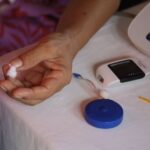
If your blood glucose is high, your body sends clear signals. You may feel very thirsty, need to urinate often, feel tired, have blurred vision, or notice cuts healing slowly. The first thing to do is check your blood sugar with a meter. If it is above your target range, drink water to help flush out excess sugar. Move your body gently if you can, like a short walk. Avoid eating anything with sugar or carbs until your levels come down. If your glucose stays very high or you feel sick, nauseous, or confused, seek medical help right away. This is not a condition to wait out on your own.
What Does High Blood Sugar Feel Like?
High blood sugar does not always feel dramatic at first. Many people describe it as a slow drain on their energy. You might feel more tired than usual after a meal. Your mouth may feel dry no matter how much water you drink.
Some people notice their vision gets blurry. This happens because high sugar levels cause fluid to shift in the lenses of your eyes. It is usually temporary. But it is a clear signal that your glucose is running too high.
Frequent urination is another common sign. Your kidneys work harder to filter out the extra sugar. This pulls more water into your urine, which means you go to the bathroom more often. That also explains the constant thirst.
What If Your Glucose Is High Symptoms What To Do First
The first step is always to confirm the number. If you have a glucose meter, test your blood sugar. If you do not have one, pay close attention to how you feel. Thirst, fatigue, and frequent urination together are strong clues.
Once you confirm high glucose, drink a full glass of water. Water helps your kidneys flush out excess sugar through urine. Do not drink juice or soda. Even diet drinks can sometimes trigger an insulin response in some people.
If your doctor has given you a correction dose of insulin, take it as directed. Never guess your insulin dose. If you are not sure what to do, call your doctor or a nurse hotline. Many health plans offer 24-hour nurse lines for exactly this reason.
Check your blood sugar again in one to two hours. If it has not dropped, or if it is still climbing, you may need medical help. Do not wait if you feel confused, nauseous, or have trouble breathing.
What Causes High Blood Sugar Even When You Try to Control It
High blood sugar can happen even when you are careful. One common reason is eating more carbohydrates than your body can handle. This includes healthy carbs like oatmeal, fruit, and whole grains. Portion size matters more than most people realize.
Stress is another major factor. When you are stressed, your body releases hormones like cortisol and adrenaline. These hormones tell your liver to release stored sugar into your blood. This is a normal survival response. But for someone with diabetes or prediabetes, it can push glucose dangerously high.
Illness and infection also raise blood sugar. Even a common cold or a small cut can trigger your immune system. Your body releases inflammatory chemicals that make your cells less responsive to insulin. This effect can last for days after you feel better.
Some medications cause high blood sugar too. Steroids like prednisone are a common culprit. Certain blood pressure medications and some antidepressants can also raise glucose. If you notice a pattern, talk to your doctor about whether your medications could be the cause.
What the Research Says About Lowering High Blood Sugar Fast
Research shows that physical activity is one of the most effective ways to lower blood sugar quickly. A 15 to 20 minute walk after a meal can significantly reduce glucose levels. Studies have found that even light walking improves how your muscles take up sugar from your bloodstream.
But there is an important warning here. If your blood sugar is above 240 mg/dL, check your urine for ketones first. Ketones are acids your body makes when it burns fat instead of sugar for energy. Exercising with ketones in your system can push your blood sugar even higher and cause a dangerous condition called ketoacidosis. This is more common in type 1 diabetes but can happen in type 2 as well.
Some people report that apple cider vinegar or cinnamon helps lower blood sugar. Evidence on this is mixed. Some small studies suggest vinegar before meals may reduce post-meal glucose spikes. Cinnamon has shown modest effects in some trials but not all. These are not substitutes for medication or lifestyle changes. As of 2026, current research still puts exercise, hydration, and proper medication as the most reliable tools.
One non-obvious insight: dehydration itself raises blood sugar. When you are dehydrated, your blood becomes more concentrated. This means the same amount of sugar in your blood shows up as a higher number on your meter. Drinking water consistently throughout the day helps keep your readings more accurate.
How to Tell the Difference Between Mild and Dangerous High Blood Sugar
Mild high blood sugar usually feels like thirst and tiredness. You can still think clearly. You can still function. Your blood sugar is likely between 180 and 250 mg/dL. Drinking water and light activity usually bring it down within a few hours.
Dangerous high blood sugar is a different story. Levels above 300 mg/dL require attention. Levels above 400 mg/dL are an emergency. You may feel confused, have trouble speaking, or feel like you are going to pass out. Your breath may smell fruity or like nail polish remover. This is a sign of ketoacidosis.
Here is a simple comparison to help you decide what to do:
| Blood Sugar Level | What You Feel | What To Do |
|---|---|---|
| 180 – 250 mg/dL | Thirsty, tired, frequent urination | Drink water, walk, check again in 1-2 hours |
| 250 – 400 mg/dL | Very thirsty, dry mouth, blurred vision | Check for ketones, contact doctor, take medication as directed |
| Above 400 mg/dL | Confusion, nausea, fruity breath, trouble breathing | Go to emergency room or call 911 immediately |
Do not drive if your blood sugar is above 300 mg/dL. Your reaction time and judgment may be impaired even if you do not feel it. Pull over and wait until your levels come down or get someone else to drive you.
What to Avoid When Your Blood Sugar Is High
Do not eat or drink anything with sugar. This sounds obvious but many people forget that fruit juice, sports drinks, and even some flavored waters contain sugar. Stick to plain water or unsweetened tea.
Do not skip your medication. Some people think that if their sugar is already high, taking more medication will fix it faster. This is dangerous. Taking extra insulin or diabetes pills without knowing the correct dose can cause your blood sugar to crash dangerously low.
Do not lie down and do nothing. Lying still makes it harder for your muscles to use up the sugar in your blood. If you can safely move, do so. Even standing and doing light chores helps more than sitting or lying down.
Do not rely on “natural” remedies you see on social media. There is no evidence that lemon water, bitter melon, or fenugreek can lower dangerously high blood sugar fast enough to prevent harm. These foods may have a role in long-term management. They are not emergency treatments.
Frequently Asked Questions
How quickly can I lower my blood sugar with water?
Drinking water starts working within 30 to 60 minutes. It helps your kidneys flush out excess sugar through urine.
Can high blood sugar go away on its own without treatment?
No, high blood sugar does not resolve on its own if you keep eating carbohydrates. You need to drink water, move your body, or take medication to bring it down.
Is it safe to exercise when my blood sugar is high?
Only if your blood sugar is below 240 mg/dL and you have no ketones in your urine. Check with a urine test strip before exercising.
What should I eat to bring high blood sugar down?
Eat nothing with carbohydrates until your blood sugar comes down. Protein and non-starchy vegetables are safe once levels start dropping.
