
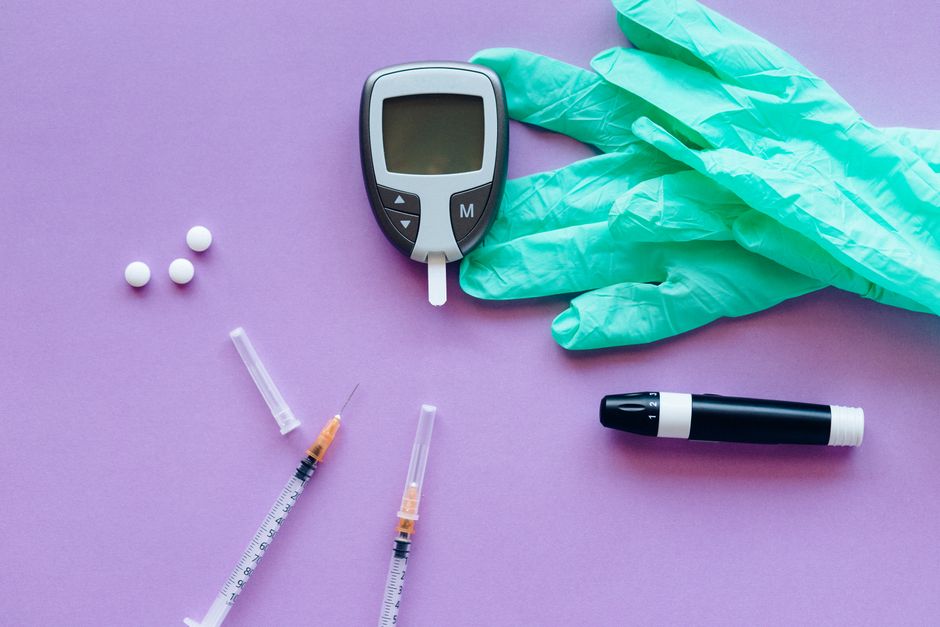
What Is a Low Red Blood Cell Count Exactly?
Your red blood cells carry oxygen from your lungs to every part of your body. When your count is low, your tissues do not get enough oxygen. That is the core problem. Doctors measure this with a complete blood count, or CBC. For most adults, a normal red blood cell count ranges from about 4.7 to 6.1 million cells per microliter for men and 4.2 to 5.4 million for women. Below those numbers, you are considered anemic.
But the number alone does not tell the full story. Your doctor also looks at hemoglobin, the protein inside red blood cells that actually holds oxygen. A low hemoglobin level is often the more direct measure of how serious the problem is. As of 2026, standard guidelines still use hemoglobin thresholds of under 13.5 g/dL for men and under 12.0 g/dL for women to define anemia. Below 8.0 g/dL is generally considered severe and requires immediate attention.
What Symptoms Should You Watch For?
Symptoms of a low red blood cell count can be subtle at first. Many people chalk it up to being tired or stressed. The most common symptom is fatigue that does not go away with rest. You may also feel weak, dizzy, or short of breath, especially when climbing stairs or walking briskly.
Other signs include pale or yellowish skin, cold hands and feet, and a fast or irregular heartbeat. Some people report headaches, ringing in the ears, or trouble concentrating. Chest pain is a red flag. If you experience that, seek medical help right away. The key point is that symptoms depend on how fast the count dropped. A slow drop over months may cause few symptoms. A rapid drop, like from bleeding, hits hard and fast.
What Causes a Low Red Blood Cell Count?
There are three main ways your red blood cell count can drop. You are not making enough. You are losing them. Or your body is destroying them faster than it can replace them.
Not making enough is the most common cause. This usually comes from a deficiency in iron, vitamin B12, or folate. Iron deficiency anemia is the most widespread type worldwide. It often results from poor diet, heavy menstrual bleeding, or chronic blood loss from the gut. Vitamin B12 deficiency can happen if you have a condition called pernicious anemia, which blocks absorption.
Losing red blood cells usually means bleeding. This can be obvious, like from an injury or surgery. But it can also be hidden. Slow bleeding from a stomach ulcer, colon polyp, or even hemorrhoids can drain your count over time. Kidney disease is another cause because your kidneys produce a hormone called erythropoietin that tells your bone marrow to make red blood cells. Damaged kidneys cannot do that job well.
Destroying red blood cells is less common but serious. Conditions like sickle cell disease, thalassemia, or autoimmune hemolytic anemia can cause your body to break down red blood cells too quickly. Some medications or infections can also trigger this.




Is Low Red Blood Count Serious Symptoms Causes: How Serious Is It Really?
The seriousness of a low red blood cell count depends on three things: how low it is, how fast it dropped, and what is causing it. A mild anemia from iron deficiency is not an emergency. It is a problem to fix, but not one that will land you in the hospital tonight. Severe anemia, on the other hand, can be life-threatening.
When your blood cannot carry enough oxygen, your heart has to work harder. It pumps faster to move more blood. Over time, this can lead to an enlarged heart, heart murmur, or even heart failure. Pregnant women with severe anemia have higher risks of preterm birth and low birth weight. Older adults with anemia are more likely to fall and have worse outcomes from surgery.
Some causes are more dangerous than others. Anemia from a slow-growing vitamin deficiency is very treatable. Anemia from chronic kidney disease or bone marrow failure is more complex. Anemia from internal bleeding or cancer needs urgent investigation. The takeaway is that you cannot judge seriousness by symptoms alone. You need a diagnosis.
How Is a Low Red Blood Cell Count Diagnosed?
Diagnosis starts with a simple blood test. Your doctor will order a CBC, which gives the number of red blood cells, hemoglobin level, and other markers. If the count is low, the next step is to figure out why.
Doctors look at the size of your red blood cells. Small red cells usually point to iron deficiency or thalassemia. Large red cells suggest B12 or folate deficiency. Normal-sized cells may indicate chronic disease or kidney problems. Additional tests like iron studies, B12 levels, and a reticulocyte count help narrow it down. In some cases, a bone marrow biopsy is needed, though this is rare.
| Red Cell Size | Likely Cause |
|---|---|
| Small (microcytic) | Iron deficiency, thalassemia |
| Large (macrocytic) | B12 deficiency, folate deficiency |
| Normal (normocytic) | Chronic disease, kidney disease, blood loss |
The table above is a simplified guide. Your doctor will use these clues along with your history and other lab results to pinpoint the cause.
What Treatments Actually Work?
Treatment depends entirely on the cause. There is no one-size-fits-all fix. For iron deficiency, iron supplements are the standard treatment. They are cheap and effective for most people. Taking them with vitamin C, like a glass of orange juice, helps absorption. Side effects include stomach upset and constipation, which some people find hard to tolerate. Iron infusions are an option if pills do not work or cause too many side effects.
For B12 deficiency, injections are the most reliable method. Oral B12 supplements work for some people, but not if the problem is absorption. Folate deficiency is treated with folic acid pills. These are straightforward and well-tolerated.
For anemia caused by chronic kidney disease, synthetic erythropoietin injections are used. They stimulate your bone marrow to produce more red blood cells. For severe anemia from any cause, blood transfusions provide immediate relief. They are not a long-term solution but can be lifesaving in an emergency.
Some people try dietary changes alone. Eating more red meat, spinach, or beans can help, but if you have a true deficiency, diet alone is rarely enough to correct a significant anemia. Supplements are usually needed. Current research suggests that treating the underlying cause is always more important than just raising the count.
What Common Myths Should You Ignore?
There is a lot of bad advice online about anemia. One common myth is that drinking beet juice or eating molasses can cure severe anemia. These foods contain iron, but not enough to correct a significant deficiency. They can be part of a healthy diet, but they are not medicine.
Another myth is that anemia only affects women. While it is more common in women due to menstruation and pregnancy, men get it too. In men, a low red blood cell count often points to hidden bleeding or chronic disease and should always be investigated.
Some people believe that if they feel fine, their low count is not serious. This is false. Many people with moderate anemia have no symptoms. The body adapts slowly. You can walk around with a hemoglobin of 9 g/dL and feel normal, but your heart is still working harder. Do not wait for symptoms to take a low count seriously.
When Should You See a Doctor?
See a doctor if you have persistent fatigue, shortness of breath, or pale skin. These are classic signs. If you notice blood in your stool, vomit, or urine, seek help immediately. Chest pain, rapid heartbeat, or feeling faint also warrant urgent care.
For routine screening, adults should have a CBC as part of their annual physical. This is especially important for women with heavy periods, older adults, and anyone with a chronic condition like kidney disease or rheumatoid arthritis. Early detection makes treatment simpler and prevents complications. Do not guess. Get tested.
Can a Low Red Blood Cell Count Be Prevented?
Prevention depends on the cause. For most people, eating a balanced diet with enough iron, B12, and folate is the best strategy. Good sources of iron include red meat, poultry, beans, and fortified cereals. Vitamin C helps iron absorption, so pair iron-rich foods with citrus fruits or bell peppers.
B12 comes mainly from animal products like meat, eggs, and dairy. If you are vegan, you need a B12 supplement. Folate is found in leafy greens, beans, and fortified grains. For people at risk, like pregnant women or those with heavy periods, a daily multivitamin with iron can help.
But you cannot prevent all types of anemia. Genetic conditions like sickle cell disease or thalassemia are inherited. Chronic diseases like kidney failure or autoimmune disorders require medical management. The best prevention is knowing your risk and staying on top of regular blood work.
Frequently Asked Questions
Can a low red blood cell count go away on its own?
It depends on the cause. Mild anemia from a short-term issue like a heavy period may resolve, but most cases require treatment of the underlying cause.
What is the fastest way to raise red blood cell count?
Blood transfusions raise it immediately, but they are reserved for severe cases. For most people, iron supplements or B12 injections work over weeks to months.
Is a low red blood cell count always cancer?
No. Most cases are from iron deficiency, vitamin deficiency, or chronic disease. Cancer is a possible cause but not a common one.
How low is too low for red blood cells?
Hemoglobin below 8.0 g/dL is generally considered severe and requires urgent medical attention. Your doctor will set specific thresholds based on your health.
