
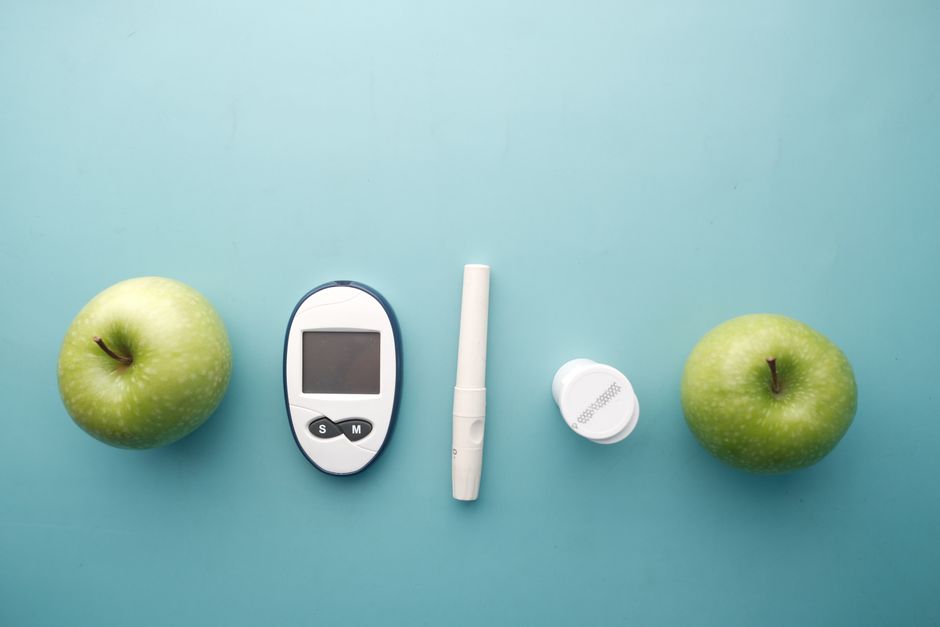
A high glucose level means there is more sugar in your blood than your body can handle at that moment. Blood sugar, or glucose, is the main fuel for your cells, but too much of it circulating can damage blood vessels and nerves over time. A single high reading does not always mean you have diabetes, but it is a signal that your body’s insulin system is under stress.
What Is a Normal Blood Sugar Range?
For most healthy adults, a normal fasting blood glucose level is between 70 and 99 mg/dL. This is measured after you have not eaten for at least eight hours. If your fasting level is between 100 and 125 mg/dL, doctors call this prediabetes. A fasting level of 126 mg/dL or higher on two separate tests indicates diabetes.
Random blood sugar tests are different. If you test at any time of day without fasting, a level below 140 mg/dL is generally considered normal. A random reading of 200 mg/dL or higher, combined with symptoms like frequent urination or unusual thirst, strongly suggests diabetes.
Your glucose levels naturally rise after meals. Two hours after eating, a healthy blood sugar level is typically below 140 mg/dL. Levels between 140 and 199 mg/dL after a meal indicate impaired glucose tolerance, which is another form of prediabetes.
What Does A High Glucose Level Mean for Your Health?
A high glucose level means your body either does not produce enough insulin, cannot use insulin effectively, or both. Insulin is the hormone that moves glucose from your bloodstream into your cells. When this process fails, glucose builds up in the blood.
Short-term high glucose can cause dehydration, blurred vision, fatigue, and increased thirst. These symptoms develop because your kidneys work harder to flush out excess sugar, pulling water with it. This is why frequent urination and thirst are classic signs of high blood sugar.
Long-term high glucose damages small blood vessels. This damage can affect your eyes, kidneys, and nerves. It also increases your risk of heart disease and stroke. The damage is not immediate, but it accumulates over years of uncontrolled high levels.
One high reading is not the same as chronic high glucose. A single spike after a large meal or during an illness does not cause lasting damage. The danger comes from consistently elevated levels over months and years.
What Causes a High Glucose Reading?
Several factors can push your blood sugar up. The most common cause is type 2 diabetes, where your cells become resistant to insulin. Over time, your pancreas cannot produce enough insulin to overcome this resistance.
Other causes include:
- Type 1 diabetes — an autoimmune condition where the pancreas stops making insulin entirely
- Stress — stress hormones like cortisol raise blood sugar to give you energy for a perceived threat
- Infection or illness — your body releases glucose to fuel your immune response
- Certain medications — steroids, some diuretics, and some antipsychotics can raise glucose
- Hormonal disorders — conditions like Cushing’s syndrome or hyperthyroidism affect glucose metabolism
- Pancreatic disease — pancreatitis or pancreatic cancer can impair insulin production
What you ate matters too. A meal high in refined carbohydrates, like white bread or sugary drinks, can cause a rapid spike. This is normal to some degree, but a consistently high response to meals may indicate insulin resistance.
Missing medication is another common cause. If you take insulin or oral diabetes medications and skip a dose, your glucose can climb quickly. This is especially dangerous for people with type 1 diabetes.



How Do You Know If Your Glucose Is Too High?
You cannot reliably feel high blood sugar until it reaches a certain level. Many people with glucose levels in the 150 to 200 mg/dL range have no symptoms at all. This is why routine testing matters, especially if you have risk factors.
When symptoms do appear, they include:
- Increased thirst
- Frequent urination, especially at night
- Blurry vision
- Fatigue
- Dry mouth
- Slow-healing wounds
- Recurrent infections, such as yeast infections
If your glucose is very high, above 250 mg/dL, you may also experience nausea, difficulty breathing, or confusion. These symptoms require immediate medical attention. Extremely high levels can lead to a dangerous condition called diabetic ketoacidosis, which is a medical emergency.
Home glucose monitors give you a snapshot of your current level. The A1C test, which measures your average glucose over the past two to three months, gives a longer-term picture. An A1C of 5.7 percent or lower is normal, 5.7 to 6.4 percent indicates prediabetes, and 6.5 percent or higher indicates diabetes.
What Should You Do After a High Glucose Reading?
One high reading does not require panic. If you have a home monitor and get a high result, first consider what could have caused it. Did you eat a large meal recently? Are you stressed or sick? Did you take your medication as prescribed?
For a mildly elevated reading, drinking water can help your kidneys flush out excess glucose. Physical activity also helps lower blood sugar because working muscles absorb glucose without needing insulin. A short walk after a meal can make a measurable difference.
If your reading is above 240 mg/dL, check for ketones if you have diabetes. Ketones are acids that build up when your body burns fat instead of glucose for energy. If ketones are present, do not exercise, as this can push levels higher. Contact your healthcare provider.
Do not try to bring down a very high reading by skipping insulin or taking extra medication without medical guidance. This can cause glucose to drop dangerously low. The only safe approach is to follow your doctor’s instructions for high glucose correction doses.
If you do not have diabetes and get a high reading, contact your healthcare provider. A single high reading may be a fluke, but it warrants follow-up testing. Your doctor may order a fasting glucose test or an A1C test to get a clearer picture.
Can High Glucose Be Reversed?
For people with prediabetes, yes. Research consistently shows that lifestyle changes can return blood sugar to normal levels. Losing 5 to 7 percent of your body weight, increasing physical activity, and reducing refined carbohydrates can significantly improve insulin sensitivity.
For people with type 2 diabetes, remission is possible for some. Studies show that significant weight loss, often 10 to 15 percent of body weight, can put diabetes into remission for some individuals. This means blood sugar returns to normal without medication. Not everyone achieves remission, and it is not guaranteed.
For type 1 diabetes, there is no reversal. The immune system has destroyed the insulin-producing cells, and this damage is permanent. Treatment focuses on replacing insulin and managing blood sugar levels.
The key factor is time. The earlier you address high glucose, the better your chances of restoring normal function. Years of uncontrolled high glucose cause permanent damage to the pancreas and blood vessels, making reversal more difficult.
When to See a Doctor
You should see a doctor if you have any symptoms of high blood sugar, even if they seem mild. You should also get tested if you have risk factors for diabetes, including being over 45, having a family history of diabetes, being overweight, or having high blood pressure.
Seek immediate medical care if your home glucose reading is above 300 mg/dL, especially if you also have nausea, vomiting, abdominal pain, or confusion. These could be signs of diabetic ketoacidosis or hyperosmolar hyperglycemic state, both of which are life-threatening emergencies.
Routine screening is important because high glucose often causes no symptoms in its early stages. The American Diabetes Association recommends that all adults begin screening at age 45, regardless of risk factors. If your results are normal, screening every three years is typically sufficient.
Frequently Asked Questions
What glucose level is considered dangerously high?
A glucose level above 250 mg/dL is concerning and requires monitoring, while a level above 300 mg/dL is considered an emergency that needs immediate medical attention.
Can drinking water lower blood sugar?
Drinking water helps your kidneys remove excess glucose through urine, which can modestly lower blood sugar levels. It is not a treatment for high glucose but can help prevent dehydration from high levels.
Is a blood sugar of 140 after eating normal?
A reading of 140 mg/dL two hours after a meal is at the upper limit of normal. Levels consistently above this indicate impaired glucose tolerance, which is a form of prediabetes.
How long does it take for blood sugar to go down after eating?
Blood sugar typically peaks about one to two hours after a meal and returns to baseline within two to three hours in healthy people. This timeline may be longer in people with diabetes or insulin resistance.
