
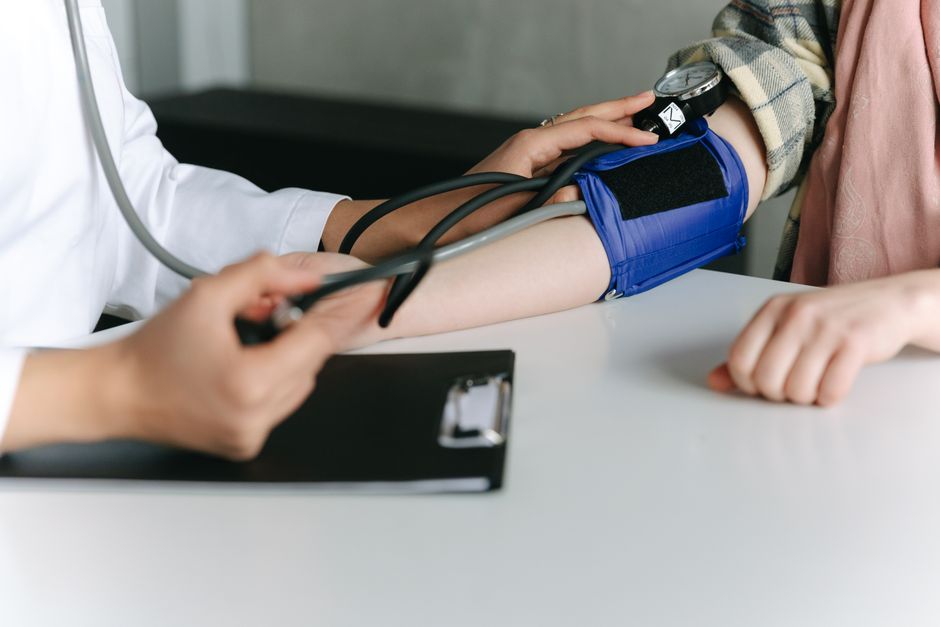
One high blood pressure reading is not a diagnosis. It is a signal to check again, and to check properly. If your reading is very high, or you have symptoms like chest pain, shortness of breath, severe headache, or vision changes, get emergency care right away. If it is moderately high and you feel fine, the next steps are simple: rest, recheck, and if it stays high, contact a clinician.
Blood pressure changes minute to minute. It rises with stress, caffeine, a full bladder, and even the act of having it measured. That is why guidelines tell clinicians to base decisions on multiple readings over time, not one number. What you do in the next hour and the next few weeks matters more than what happened in a single moment.
What Counts as High Blood Pressure?
Blood pressure is written as two numbers. The top number (systolic) is the pressure in your arteries when your heart beats. The bottom number (diastolic) is the pressure between beats, when your heart relaxes and refills.
For adults, the widely used categories look like this:
| Category | Systolic (mm Hg) | Diastolic (mm Hg) |
|---|---|---|
| Normal | Below 120 | Below 80 |
| Elevated | 120–129 | Below 80 |
| Stage 1 hypertension | 130–139 | 80–89 |
| Stage 2 hypertension | 140 or higher | 90 or higher |
| Hypertensive crisis | Higher than 180 | Higher than 120 |
These thresholds come from the American College of Cardiology and American Heart Association. Other major guidelines, such as those from the European Society of Hypertension, define hypertension starting at 140/90. The difference is real and debated among clinicians. What matters for you is that your own clinician uses a consistent standard and tracks your trend over time.
A reading above 180/120 is in a different category. If it is that high and you have symptoms, call emergency services. If it is that high without symptoms, wait a few minutes and measure again. If it stays there, contact a clinician immediately. That is the standard guidance, and it exists because sustained pressures at that level can damage organs.
What If Your Blood Pressure Is High Next Steps?
Start by making sure the reading was accurate. A large share of elevated readings in clinics are partly caused by the setting itself — rushing in, talking during the measurement, or having it taken right after coffee.
Here is a reasonable sequence:
- Sit quietly for five minutes before measuring. Back supported, feet flat on the floor, arm resting at heart level.
- Measure twice, one minute apart. Average the two readings. A single number is noisy; an average is closer to the truth.
- Check at different times of day over the next week or two. Morning and evening readings give a fuller picture than one snapshot.
- Write the numbers down with the date and time. A log is far more useful to a clinician than a memory of “it was high once.”
- Call your clinician if readings stay in the stage 1 or stage 2 range across several days.
If you already take blood pressure medication and your readings are running high, do not stop or change your dose on your own. Call your prescriber. Some medicines should not be stopped abruptly, and adjustments need to be made with your clinical picture in mind.
How Should You Measure Blood Pressure at Home?
Home monitoring is one of the most useful tools in blood pressure care. Research consistently shows that home readings predict cardiovascular risk at least as well as clinic readings, and sometimes better. They also help catch “white coat hypertension” — high readings in a clinic that are normal at home — and “masked hypertension,” where clinic readings look fine but home readings are high.
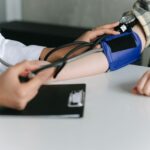
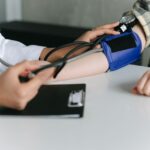
Use a validated upper-arm cuff monitor. Wrist and finger devices are less reliable. The upper arm cuff is the standard for a reason: it sits at the right level relative to your heart and compresses a larger artery.
A few practical points that are easy to get wrong:
- Use the correct cuff size. A cuff that is too small reads falsely high.
- Do not measure within 30 minutes of caffeine, exercise, or smoking.
- Empty your bladder first. A full bladder can raise a reading.
- Keep your arm supported. A dangling arm adds pressure to the reading.
- Do not talk during the measurement.
Take readings at roughly the same times each day, usually morning and evening. Bring the log — or the monitor itself — to your next appointment.
What Causes High Blood Pressure?
Most adults with high blood pressure have primary hypertension, meaning there is no single identifiable cause. It develops gradually through a mix of genetics, age, body weight, diet, physical activity, alcohol intake, and stress. The arteries stiffen with age, and the body’s system for regulating fluid and vessel tone drifts out of balance.
A smaller share of cases are secondary — caused by another condition. Kidney disease, sleep apnea, thyroid disorders, and certain medications can all raise blood pressure. Some clinicians recommend screening for secondary causes in people whose hypertension is resistant to treatment, appears suddenly, or starts at a young age. That is a clinical judgment, not a universal rule.
One clarification that gets lost in popular coverage: salt sensitivity varies a lot between people. Reducing sodium lowers blood pressure in many people, but the size of the effect differs widely. The general direction of the evidence is consistent, but the individual response is not uniform.
What Lifestyle Changes Actually Lower Blood Pressure?
Lifestyle changes are not a soft alternative to medication. For many people with elevated or stage 1 hypertension, they are a genuine first-line approach, and guidelines recommend them alongside or before drug therapy depending on the overall risk picture.
The evidence is strongest for a few specific things:
- Reducing sodium. The Dietary Guidelines for Americans recommend limiting sodium to 2,300 mg per day for adults, with further reduction advised for people with hypertension. Most sodium comes from packaged and restaurant food, not the salt shaker.
- Eating a plant-forward pattern. The DASH eating plan — rich in vegetables, fruits, whole grains, and low-fat dairy — has been studied for decades and consistently lowers blood pressure in trials.
- Regular physical activity. Aerobic exercise and, to a lesser degree, resistance training both help. Guidelines generally recommend at least 150 minutes of moderate activity per week for adults.
- Limiting alcohol. Higher intake raises blood pressure. Cutting back tends to lower it.
- Losing weight if you carry extra. Even modest weight loss is associated with meaningful reductions in blood pressure for people with overweight or obesity.
- Getting enough sleep and treating sleep apnea. Poor sleep and untreated apnea are both linked to higher blood pressure.
These changes take weeks to months to show their full effect. They are not instant. Expecting a dramatic drop in a few days leads to disappointment and abandoned effort.
When Do You Need Medication?
Whether medication is appropriate depends on your blood pressure level, your overall cardiovascular risk, and whether lifestyle changes alone are enough. This is a clinical decision, not one to make from a single reading.
In general, guidelines recommend starting medication for most people with confirmed stage 2 hypertension, and for people with stage 1 hypertension who have elevated cardiovascular risk or existing heart, kidney, or vascular disease. For lower-risk people with stage 1, a trial of lifestyle change first is often reasonable. Some clinicians recommend it, and the evidence supports it for selected patients.
If medication is started, it is usually because the benefit outweighs the risk for that person. Blood pressure drugs are among the most studied classes in medicine. They are not all the same, and finding the right one sometimes takes a few adjustments.
What Happens If High Blood Pressure Goes Untreated?
High blood pressure is often called a silent condition because it usually causes no symptoms until damage is done. That is the part people underestimate. You cannot feel your arteries stiffening or your heart working harder.
Over years, untreated hypertension damages blood vessels throughout the body. It is a major risk factor for stroke, heart attack, heart failure, kidney disease, and vision loss. The relationship between blood pressure and cardiovascular risk is continuous — there is no threshold below which higher pressure suddenly becomes harmless.
The encouraging side of that same fact: lowering blood pressure reduces risk at every level. The benefit is proportional to how much pressure comes down, not just whether you cross a line into a “normal” category. Even partial improvement is worth having.
Frequently Asked Questions
Should I go to the ER for high blood pressure?
Go to the ER if your reading is above 180/120 and you have symptoms like chest pain, shortness of breath, severe headache, weakness, or vision changes. If it is above 180/120 without symptoms, wait a few minutes and recheck, then call a clinician if it stays that high.
Can one high reading mean I have hypertension?
No. Hypertension is diagnosed from multiple elevated readings over time, not a single measurement. One high reading is a reason to monitor and recheck, not a diagnosis.
How often should I check my blood pressure at home?
For most people tracking their blood pressure, twice daily — morning and evening — for a week or two gives a useful picture. Ask your clinician how often they want you to monitor long term.
Can high blood pressure go away without medication?
Some people with elevated or stage 1 hypertension lower their readings into a healthier range through sustained lifestyle changes. Whether that is enough depends on your blood pressure level and overall cardiovascular risk, so it needs to be assessed by a clinician.
