
Lower back pain is one of the most common reasons people see a doctor. Most episodes improve within a few weeks, but knowing what actually helps can save you time, money, and frustration. The most effective treatment options combine staying active, using heat or cold therapy, and taking over-the-counter pain relievers when needed. For persistent pain lasting more than a few weeks, physical therapy and targeted exercise are the treatments with the strongest evidence behind them.
What Helps With Lower Back Pain Treatment Options?
Treatment for lower back pain depends on how long you have had it and what is causing it. Acute pain, lasting less than four weeks, often responds well to simple home care. Chronic pain, lasting more than three months, usually needs a more structured approach.
The most evidence-based options include continuing normal activity, applying heat, taking nonsteroidal anti-inflammatory drugs (NSAIDs) like ibuprofen, and starting a gradual exercise program. For most people, staying active is better than bed rest. Bed rest beyond a day or two can weaken muscles and slow recovery.
Should You Rest or Stay Active?
This is the most common question people ask. The old advice was complete bed rest. Current evidence points the other direction.
Research consistently shows that staying active within your pain tolerance speeds up recovery. That does not mean pushing through severe pain. It means continuing light daily activities and walking. Prolonged bed rest actually delays healing and can make the back stiffer and weaker.
If bending, lifting, or twisting hurts, modify those movements for a few days. But try to keep walking and moving normally. Your spine needs movement to bring nutrients to the discs and joints.
Heat vs. Ice: Which One Works Better?
Heat is the winner for most lower back pain. Studies have found that heat therapy applied for 15 to 20 minutes at a time reduces pain and improves function during the acute phase.
Heat increases blood flow to the area, which helps relax tight muscles and eases stiffness. A heating pad, warm shower, or warm compress all work.
Ice is more useful in the first 24 to 48 hours after a specific injury, like a lifting accident. Ice reduces inflammation and numbs the area. After that window, heat is generally more comfortable and effective for muscle-related back pain.
Some people alternate heat and ice based on what feels best. Neither is harmful when used properly. Always place a cloth between your skin and any heat or ice source to avoid burns or frostbite.





What Medications Are Safe and Effective?
Over-the-counter NSAIDs such as ibuprofen (Advil, Motrin) and naproxen (Aleve) are the first-line medications for lower back pain. They reduce both pain and inflammation.
Acetaminophen (Tylenol) also relieves pain but does not reduce inflammation. It is a reasonable option if you cannot take NSAIDs due to stomach issues or kidney problems.
Follow the dosing instructions on the label. Do not take NSAIDs for more than 10 days without checking with a doctor. Long-term daily use can irritate the stomach lining and affect kidney function.
Muscle relaxants are sometimes prescribed for severe muscle spasms. They are not recommended for routine use because they cause drowsiness and have limited evidence for long-term benefit.
When Should You See a Doctor?
Most back pain resolves without medical intervention. But some warning signs require prompt evaluation.
Seek medical care if you have back pain with any of the following:
- Numbness or weakness in one or both legs
- Loss of bladder or bowel control
- Pain that follows a fall or injury
- Pain that wakes you at night
- Fever or unexplained weight loss
- Pain that does not improve after several weeks
Loss of bladder or bowel control with back pain is a medical emergency. It can indicate cauda equina syndrome, a condition where nerves at the base of the spine are compressed. This requires immediate surgical evaluation.
Does Physical Therapy Actually Work?
Yes. Physical therapy is one of the most effective treatments for persistent lower back pain. The evidence is strong.
A physical therapist assesses your specific movement patterns and builds a program around your needs. This typically includes stretching, strengthening, and postural training.
The goal is not just pain relief. It is restoring normal movement so the back can function without fear of re-injury. Most therapy programs run several weeks and include daily home exercises.
One common misconception is that physical therapy is only for severe cases. In reality, starting therapy early for subacute pain (lasting 4 to 12 weeks) can prevent it from becoming chronic.
Which Exercises Help Most?
The best exercises for lower back pain strengthen the core and hip muscles while improving flexibility. Consistency matters more than intensity.
Some of the most studied exercises include:
- Walking — low impact, easy to start, and effective
- Bird dog — strengthens the lower back and core
- Bridge — activates the glutes and lower back
- Partial crunches — strengthen the abdominal muscles
- Cat-cow stretch — improves spinal mobility
Start with gentle versions and increase repetitions gradually. Pain during exercise is not necessarily a bad sign, but sharp or radiating pain is. If an exercise makes leg pain worse, stop and talk to a professional.
Yoga and Pilates have also shown benefits in clinical studies. Both improve flexibility, strength, and body awareness. Choose a class designed for beginners or back pain specifically.
What About Chiropractic Care and Massage?
Spinal manipulation by a chiropractor or osteopathic physician can help some people with acute lower back pain. The evidence is moderate. Some studies show short-term relief similar to other conservative treatments.
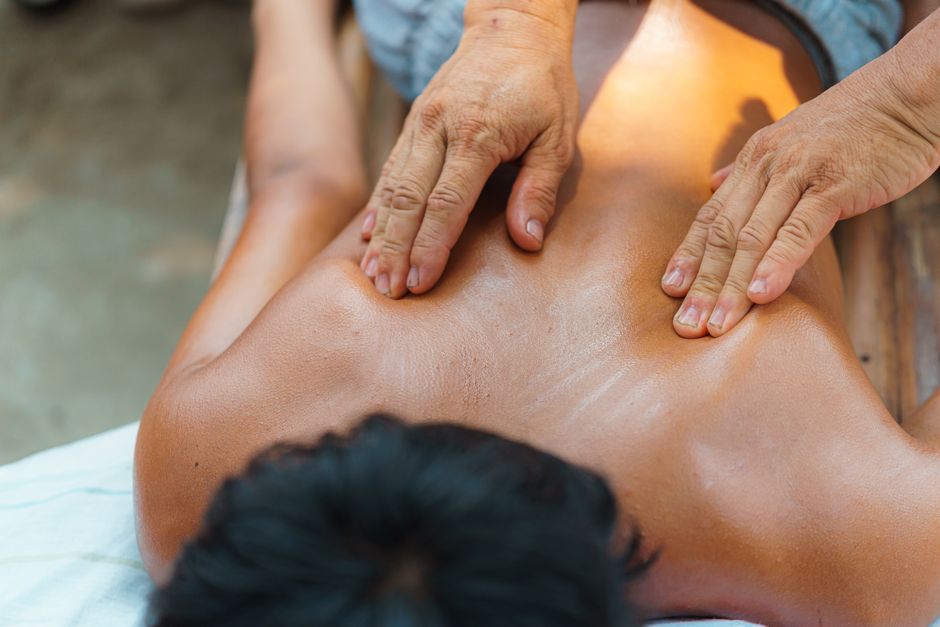
Massage therapy can provide temporary relief, especially for muscle tension. The effect is often short-lived, lasting days rather than weeks. It works best as part of a broader treatment plan that includes exercise.
Acupuncture has mixed evidence. Some clinical trials show modest benefit for chronic back pain, while others show little advantage over sham treatment. If you try it, treat it as a complement to exercise and activity, not a replacement.
Are Injections or Surgery Ever Needed?
For most people, the answer is no. Surgery is reserved for specific conditions like a herniated disc with progressive nerve damage, spinal stenosis with severe symptoms, or structural instability.
Epidural steroid injections can reduce inflammation around a compressed nerve. They are used for radicular pain — pain that travels down the leg. The relief is often temporary, lasting weeks to months, and is not a cure.
Surgery is rarely the first choice. In most studies, surgical outcomes for common conditions like herniated discs are similar to non-surgical treatment after one to two years. Surgery may provide faster relief in the short term but does not guarantee better long-term results.
How Do You Prevent It From Coming Back?
Prevention is about building a resilient spine. Once the acute pain resolves, the focus should shift to maintenance.
Regular exercise is the single most important preventive measure. Aim for at least 150 minutes of moderate activity per week. Include both aerobic exercise and strength training.
Maintaining a healthy weight reduces the load on the spine. Excess weight, especially around the abdomen, shifts the center of gravity forward and increases strain on the lower back.
Good lifting mechanics matter. Bend at the knees, not the waist. Hold objects close to your body. Avoid twisting while lifting.
Your workspace matters too. A chair that supports the natural curve of your lower back and a screen at eye level reduce strain during long sitting sessions. Take breaks every hour to stand and stretch.
Frequently Asked Questions
Is heat or ice better for lower back pain?
Heat is generally more effective for lower back pain because it relaxes muscles and improves blood flow. Use ice only in the first 48 hours after a specific injury to reduce inflammation.
How long does a lower back pain flare-up usually last?
Most acute episodes improve within 1 to 2 weeks, and the majority resolve within 4 to 6 weeks. If pain persists beyond 12 weeks, it is considered chronic and needs a structured treatment approach.
What is the fastest way to relieve lower back pain?
Applying heat for 15 to 20 minutes and taking an over-the-counter NSAID like ibuprofen provides the fastest relief for most people. Staying gently active and avoiding prolonged sitting also helps speed recovery.
When should I worry about lower back pain?
Worry if you have leg weakness, numbness, loss of bladder or bowel control, fever, or pain after a serious injury. These require prompt medical evaluation.
