
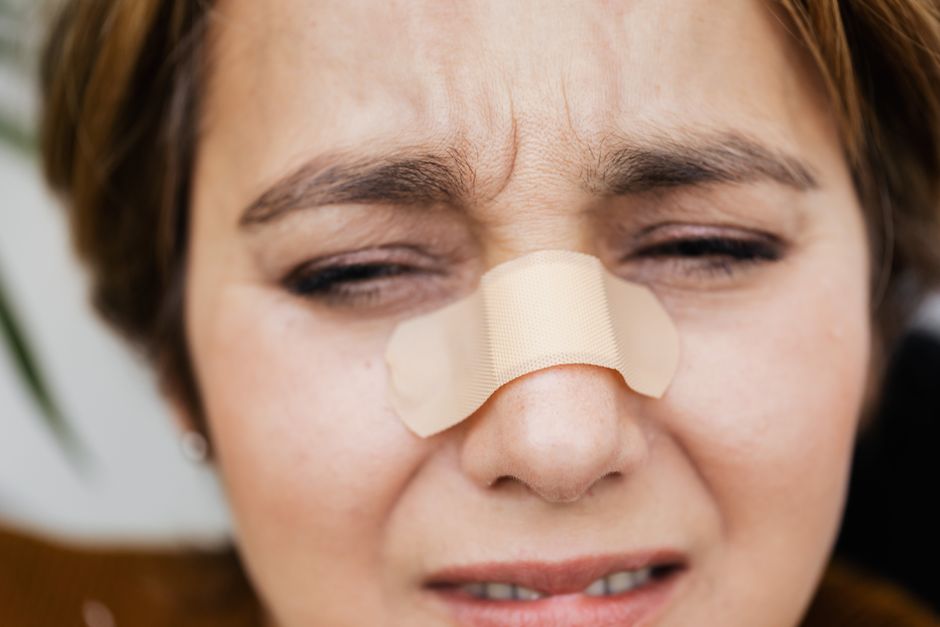
A cut inside your nose is painful, and it can make you worry. The good news is that most cuts inside the nose heal on their own within a few days to a week. The treatment focuses on keeping the area moist, preventing infection, and avoiding further irritation. You can start by applying a thin layer of plain petroleum jelly to the area with a clean cotton swab two to three times a day, and avoid picking or blowing your nose forcefully until it heals.
Why Does a Cut Inside the Nose Hurt So Much?
The inside of your nose is lined with a delicate mucous membrane that is packed with tiny blood vessels and nerve endings. Because this tissue is so thin and sensitive, even a small scratch can feel sharp and intense. The pain is often worse than a similar cut on your skin because the area is constantly exposed to moving air, mucus, and the natural crusting that forms during healing.
This tissue also dries out quickly. When the surface dries, the healing cells cannot move as easily, and the cut can crack open again when you move your face or breathe heavily. Keeping the area moist is the single most important step you can take to speed up healing and reduce pain.
What Causes Cuts Inside the Nose?
Most cuts inside the nose come from simple physical irritation. Nose picking is the most common cause, especially in dry climates or during winter when indoor heating dries out the nasal lining. Blowing your nose hard during a cold or allergy season can also create small tears in the tissue.
Other causes include inserting objects into the nose, nasal sprays that dry the lining, and breathing very dry air for long periods. Some people develop cracks from frequent use of decongestant sprays, which constrict blood vessels and reduce moisture in the nasal lining. In rare cases, repeated nosebleeds or an underlying skin condition can cause persistent cracking, but most cuts are simple mechanical injuries.
How To Heal A Cut Inside Your Nose: Treatment Options
The treatment for a cut inside your nose is straightforward. The goal is to keep the wound moist and clean while your body does the repair work. Here are the options that are most commonly recommended by clinicians.
Petroleum jelly or nasal ointment. Plain petroleum jelly is the most widely recommended option. It creates a barrier that traps moisture and prevents the cut from drying out and cracking. Apply a small amount with a clean cotton swab to the inside of the nostril, not deep into the nasal passage. Do this two to three times a day, especially before bed.
Saline nasal gel or spray. Saline products add moisture without any active medication. They are gentle and safe for daily use. A saline gel can be more effective than a spray for a localized cut because it stays in place longer and coats the area directly.
Antibiotic ointment. Some clinicians recommend an over-the-counter antibiotic ointment like bacitracin or mupirocin if there are signs of infection. These products add moisture and can prevent bacterial growth. However, they are not necessary for every cut. If the cut is clean and not infected, plain petroleum jelly works just as well for moisture. Using antibiotic ointments unnecessarily can contribute to bacterial resistance, so reserve them for cuts that look red, ooze fluid, or feel warm.
Humidifier. A cool-mist humidifier in your bedroom adds moisture to the air. This helps prevent the nasal lining from drying out overnight, which is when cuts often crack open and bleed. This is a supportive measure, not a direct treatment, but it can make a real difference in how fast the cut heals.
Avoid using nasal decongestant sprays while a cut is healing. These sprays dry out the lining and can slow healing or make the cut worse. If you use a steroid nasal spray for allergies, ask your doctor whether you should pause it until the cut closes.





When To See a Doctor
Most cuts inside the nose heal without medical care, but some situations require a professional evaluation. See a doctor if the cut does not improve after one week of consistent care, if it bleeds heavily or repeatedly, or if you see signs of infection.
Signs of infection include increasing pain, redness spreading beyond the cut, yellow or green discharge, swelling, or a fever. If you have a weakened immune system, diabetes, or take blood-thinning medication, contact your doctor earlier rather than waiting. These conditions can slow healing and increase the risk of complications.
A doctor may prescribe a topical antibiotic ointment, cauterize a bleeding vessel, or take a small sample if the cut looks unusual. In most cases, the treatment is the same as what you can do at home, but a professional can rule out less common causes and give you a clearer timeline for recovery.
What Not To Do While the Cut Heals
Certain habits can delay healing or turn a minor cut into a bigger problem. Avoid picking at the cut or any crust that forms. It is tempting to remove a scab, but doing so reopens the wound and restarts the healing clock. Leave crusts alone and let them fall off naturally.
Do not blow your nose forcefully. If you need to clear your nose, blow gently through both nostrils at once rather than blocking one side. Better yet, use a saline spray to loosen mucus and let it drain naturally.
Avoid inserting anything into your nose, including tissues, cotton swabs, or your finger. The tissue is fragile, and pushing on it can make the tear larger. If you need to apply ointment, use a clean cotton swab and move it gently along the inside edge of the nostril, not deep inside.
Skip facial scrubs, exfoliants, or harsh cleansers that could irritate the skin around the nostrils. These products can accidentally get inside the nose and cause stinging or further drying.
How Long Does It Take To Heal?
A minor cut inside the nose typically heals in three to seven days with consistent moisture. Larger tears or cuts that keep reopening can take up to two weeks. The healing time depends on the size of the cut, your overall health, and how well you protect the area from further irritation.
You should notice improvement within the first two to three days. The pain should decrease, and the cut should look less raw. If it looks worse after several days of care, or if new symptoms appear, that is a sign to seek medical advice rather than continuing home treatment.
Frequently Asked Questions
Can I put Neosporin inside my nose?
Yes, but it is not necessary for every cut. Plain petroleum jelly provides the same moisture barrier without the antibiotic, and using antibiotics unnecessarily can contribute to resistance.
Is it safe to put Vaseline inside my nose?
Yes, plain petroleum jelly is safe to apply inside the nostril in small amounts. Use a clean cotton swab and apply a thin layer only to the affected area, not deep into the nasal passage.
Why does my cut inside my nose keep coming back?
Repeated cuts usually mean something is constantly irritating the area, such as nose picking, dry air, or frequent use of drying nasal sprays. Address the underlying cause and keep the area moist to prevent recurrence.
Can a cut inside my nose cause a nosebleed?
Yes, a cut that dries out and cracks open can bleed, especially when you blow your nose or sleep in a dry room. Keeping the area moist with petroleum jelly reduces the chance of bleeding.
