
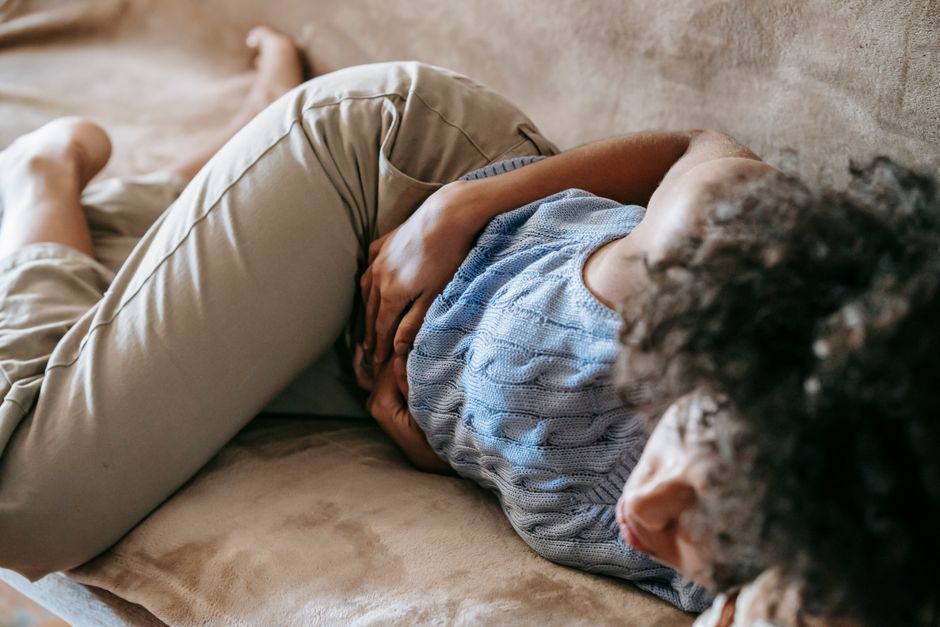
Early pregnancy brings a long list of body changes, and lower abdominal pain is one of the most common reasons for worry. The short answer is yes, mild lower abdominal pain is often normal in early pregnancy. Your uterus is stretching, and ligaments are pulling to make room for the growing baby. However, pain can also signal a problem, so knowing the difference between typical discomfort and warning signs is essential.
What Causes Normal Lower Abdominal Pain in Early Pregnancy?
Your body begins changing almost immediately after conception. The uterus, which is normally the size of a pear, starts expanding. This growth pulls on the round ligaments that support it. That stretching causes the sharp or dull aches many women feel low in the abdomen or groin.
Another common source is implantation. About 6 to 12 days after fertilization, the embryo attaches to the uterine lining. Some women feel light cramping during this process. This is usually brief and much milder than menstrual cramps.
Digestive changes also play a role. The hormone progesterone relaxes smooth muscles throughout the body, including the intestines. This slows digestion and leads to gas, bloating, and constipation. These conditions produce pressure and cramping that feels like it comes from the lower abdomen.
These types of pain are typically intermittent. They come and go with movement, position changes, or bowel activity. They do not follow a pattern and do not get progressively worse over hours.
How Does Normal Early Pregnancy Pain Feel?
Normal pain has recognizable features. It is usually mild to moderate. It may feel like a pulling sensation, a dull ache, or brief sharp twinges on one side or the other.
Importantly, normal pain does not radiate to other areas. It stays low in the abdomen or groin. It does not shoot down the legs or up into the back in a severe way.
The pain does not come with other symptoms. If you feel pain only, without bleeding, fever, or dizziness, the risk of a serious problem is much lower. Many women describe the sensation as “stretching” or “tugging” rather than “cramping like a period.”
Position changes often relieve the pain. Lying down, changing sides, or emptying your bladder frequently eases the discomfort within minutes. Pain that persists no matter what you do deserves more attention.
Is Lower Abdominal Pain Normal In Early Pregnancy or a Warning Sign?
This is the question that matters most. Normal pain is mild, brief, and unaccompanied by other symptoms. Warning signs are different.
Severe pain is never normal. Pain that doubles you over, prevents you from standing straight, or worsens steadily over a few hours requires immediate medical evaluation. This level of pain can indicate an ectopic pregnancy, where the embryo implants outside the uterus, most commonly in a fallopian tube.
Pain accompanied by bleeding is another red flag. Light spotting can be normal, but heavy bleeding with clots, especially combined with cramping, may signal a miscarriage. Any bleeding that soaks a pad within an hour warrants urgent care.
Pain with fever, chills, or pain during urination points to a possible infection. Urinary tract infections are common in pregnancy and can spread to the kidneys if untreated. These infections cause lower abdominal pressure and discomfort.
Pain on one side only, particularly if sharp and persistent, deserves attention. While the corpus luteum cyst on the ovary can cause mild one-sided discomfort, severe one-sided pain is a hallmark of ectopic pregnancy. This is a medical emergency that requires prompt treatment.
If you are uncertain, call your obstetrician. That is always the right move. Clinicians would rather hear about benign discomfort than miss a serious condition.





What Conditions Cause Abnormal Pain in the First Trimester?
Several conditions produce pain that is not normal. Ectopic pregnancy is the most dangerous. It occurs in about 1 to 2 percent of pregnancies. The pain is often sharp, one-sided, and may come with light vaginal bleeding. If the fallopian tube ruptures, pain becomes sudden and severe, often with shoulder pain or dizziness from internal bleeding.
Miscarriage is another cause of abnormal pain. Cramping that feels like strong menstrual cramps, accompanied by bleeding and passing tissue, characterizes this event. About 10 to 20 percent of known pregnancies end in miscarriage, most in the first trimester.
Ovarian torsion, though rare, causes sudden severe pain when the ovary twists on its blood supply. This requires surgical intervention. The pain is intense and does not resolve with rest or position changes.
Urinary tract infections and kidney infections produce a burning sensation with urination, frequent urges, and sometimes fever. The pain is typically lower and centered toward the bladder area.
Appendicitis can also occur during pregnancy. The classic pain starts near the belly button and moves to the lower right side. Fever and nausea often accompany it. This requires emergency surgery regardless of pregnancy.
When Should You Call Your Doctor?
Trust your instincts. If something feels wrong, call. No clinician will dismiss a pregnant patient who reports pain.
Call immediately if you experience any of the following:
- Pain that is severe or getting worse over time
- Bleeding heavier than a light period
- Dizziness, fainting, or lightheadedness
- Fever above 100.4°F (38°C)
- Pain or burning during urination
- Pain on one side that is sharp and persistent
- Shoulder tip pain, which can signal internal bleeding
These symptoms may indicate ectopic pregnancy, miscarriage, infection, or another urgent condition. Delaying care for these can have serious consequences.
For mild pain without other symptoms, mention it at your next prenatal visit. Your doctor can examine you and confirm everything is progressing normally. Routine ultrasounds in early pregnancy check for the location of the pregnancy, fetal heartbeat, and the health of the ovaries and fallopian tubes.
How Can You Ease Mild Discomfort at Home?
For confirmed normal pain, simple measures provide relief. Rest is the most effective. Lying on your side takes pressure off the round ligaments and uterus.
Changing positions slowly helps. Sudden movements, like standing up quickly or twisting, can trigger sharp ligament pain. Move gently and deliberately.
Staying hydrated reduces uterine irritability. Dehydration can cause mild contractions that feel like cramping. Drink water consistently throughout the day.
Empty your bladder regularly. A full bladder puts pressure on the uterus and can worsen discomfort. Do not hold urine for long periods.
Warm compresses applied to the lower abdomen can relax tense muscles. Keep the temperature warm, not hot. Avoid hot tubs and saunas during pregnancy, especially in the first trimester.
Gentle movement like walking or prenatal yoga may help digestion and reduce gas-related pain. Listen to your body. If movement increases pain, stop and rest.
Frequently Asked Questions
Can lower abdominal pain be normal at 6 weeks pregnant?
Yes, mild cramping or stretching pain at 6 weeks is often normal as the uterus expands. Severe pain or pain with bleeding is not normal and requires medical evaluation.
How long does normal early pregnancy cramping last?
Normal cramping is usually brief, lasting seconds to minutes at a time. It comes and goes over days or weeks rather than being constant.
Is it normal to have one-sided pain in early pregnancy?
Mild one-sided pain can occur from the corpus luteum cyst or ligament stretching. Sharp, severe, or persistent one-sided pain needs urgent evaluation to rule out ectopic pregnancy.
Does early pregnancy pain feel like period cramps?
Some women describe mild period-like cramps in early pregnancy, but they are usually lighter and shorter than menstrual cramps. Strong, rhythmic, or worsening cramps are not typical and should be checked.
