
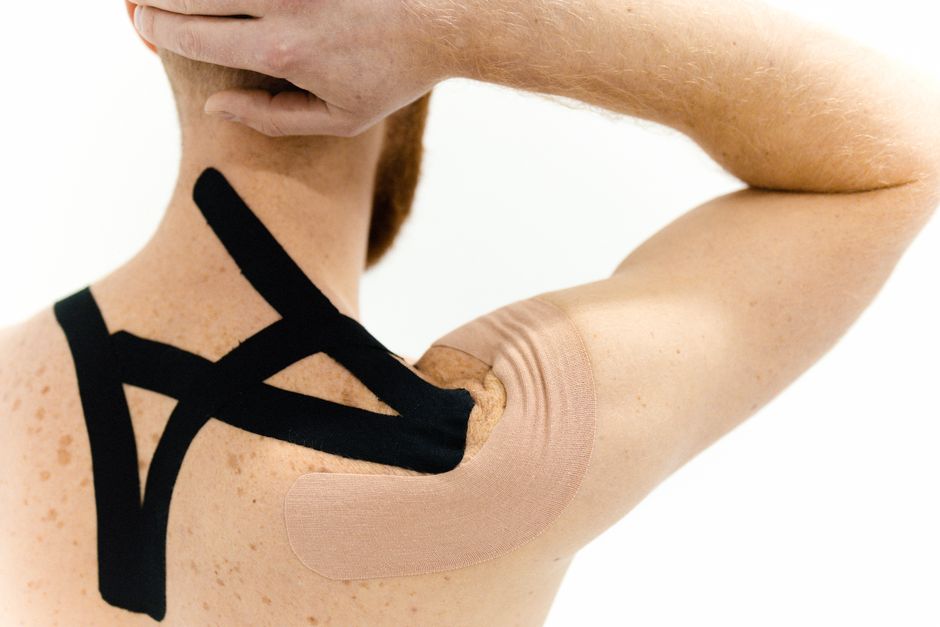
Knee pain from Osgood-Schlatter disease can stop a young athlete in their tracks. Taping the knee can offer real relief during activity by reducing tension on the tendon that attaches below the kneecap. The most effective approach uses kinesiology tape to unload the patellar tendon, combined with a simple strip of rigid tape placed firmly across the tender bump to provide direct pressure relief.
What Is Osgood-Schlatter Disease?
Osgood-Schlatter is not a disease in the way most people think. It is an overuse injury that affects the growth plate at the top of the shinbone, right where the patellar tendon attaches. The patellar tendon connects the kneecap to the shinbone. During growth spurts, bones grow faster than muscles and tendons. This mismatch puts extra tension on the attachment point.
Repeated stress from running, jumping, and kneeling causes inflammation and pain at that spot. The result is a visible, tender bump just below the knee. It is most common in active teenagers, especially those who play sports that involve lots of jumping like basketball, volleyball, and soccer. The condition usually resolves once the growth plate closes, but managing the pain during that time matters.
How Does Taping Help Osgood-Schlatter Pain?
Taping works by changing the mechanical forces at the knee. When you apply tape correctly, it reduces the pulling force on the patellar tendon where it meets the shinbone. Less pulling means less irritation at the painful attachment point.
Kinesiology tape lifts the skin slightly. This creates a tiny space that can improve blood flow and reduce pressure on the area. Rigid athletic tape provides a different benefit. It limits movement and gives the tendon a firmer support structure. Many athletes find that combining both types of tape gives the best pain relief during sport.
Some research supports taping for patellar tendon pain, though most studies focus on jumper’s knee rather than Osgood-Schlatter specifically. The conditions share a similar mechanism, which is why the taping approach transfers well. Taping does not fix the underlying problem, but it can make activity more comfortable.
What You Need Before You Start Taping
Gather the right supplies before you begin. You will need kinesiology tape, rigid athletic tape, and a pair of scissors. Make sure the skin is clean and dry. Remove any lotion, oil, or dirt from the knee area. Shave the area if there is thick hair, because tape sticks better to bare skin.
Have the person sit with their leg straight and knee relaxed. This position keeps the patellar tendon in a neutral state. Taping in this position allows the tape to hold the tendon in a comfortable resting position during movement.
You might also want a skin barrier spray or pre-tape wrap for sensitive skin. Some people develop irritation from repeated tape application. A barrier product helps prevent this without reducing the tape’s hold.


How To Tape Osgood Schlatters For Pain Relief
This method uses two pieces of kinesiology tape and one piece of rigid tape. The kinesiology tape does the main work. The rigid tape adds extra support directly over the painful bump.
First strip: unload the patellar tendon. Cut a piece of kinesiology tape about 8 to 10 inches long. Round the corners with scissors to prevent peeling. Anchor the tape on the upper part of the shinbone, below the painful bump. With the knee slightly bent, apply the tape with moderate stretch, running it upward over the tendon and ending on the lower thigh. The tape should cross directly over the patellar tendon.
Second strip: support from the side. Cut another piece of kinesiology tape the same length. Apply it horizontally across the patellar tendon, with the middle of the tape sitting right on the painful area. Use light to moderate stretch on this piece. This strip provides a gentle lifting effect that can reduce pressure on the tendon attachment.
Third strip: rigid tape for direct pressure. Cut a piece of rigid athletic tape about 4 to 5 inches long. Place it directly over the tender bump, perpendicular to the patellar tendon. Apply this piece with firm, even pressure. This creates a pressure-relief effect that many athletes find immediately comforting. Do not pull it so tight that it restricts circulation or causes numbness.
Test the tape by having the person bend and straighten their knee. The tape should stay in place and feel comfortable. If it pulls, wrinkles, or causes pain, remove it and start again.
Common Taping Mistakes To Avoid
The most common mistake is applying tape too tight. Tight tape restricts blood flow and can cause more pain than the original injury. Kinesiology tape should never leave red marks or feel like a tourniquet. If the skin turns white or blue, the tape is too tight.
Another mistake is taping over an open wound or broken skin. Osgood-Schlatter can cause the bump to become swollen and sometimes the skin gets irritated. Tape over broken skin increases infection risk. Wait until the skin heals before taping.
Leaving tape on too long is also a problem. Kinesiology tape can stay on for several days, but rigid tape should come off after each session. Sweat and friction loosen the tape over time. Replace the tape when it starts to peel or lose its grip.
Some people tape and continue their full training load without any other changes. Taping is a support tool, not a cure. It works best as part of a broader plan that includes rest, ice, and appropriate activity modification.
When Should You Not Rely on Taping?
Taping is not appropriate for every situation. If the knee is severely swollen, warm to the touch, or painful even at rest, see a healthcare provider before taping. These signs could indicate a more serious injury that needs proper evaluation.
Osgood-Schlatter pain that continues to worsen despite taping and rest also needs medical attention. Some young athletes develop a separate bone fragment at the attachment site. This complication may require different treatment.
Taping should never cause numbness, tingling, or increased pain. If any of these occur, remove the tape immediately. These symptoms suggest nerve compression or excessive tension on the area.
No clinical guidelines currently define exactly how long to tape or how often to reapply. Most sports medicine clinicians recommend taping only during activities that trigger pain. Taping around the clock is not necessary and can irritate the skin unnecessarily.
Other Treatments That Work Alongside Taping
Taping works best when combined with other proven strategies. Ice applied to the painful bump for 15 minutes after activity can reduce inflammation. Some studies support this approach for managing tendon pain in young athletes.
Quadriceps and hamstring stretching helps reduce tension on the patellar tendon. Tight thigh muscles pull harder on the kneecap, which increases strain at the tendon attachment. Regular stretching can reduce this load over time.
Activity modification is often necessary. This does not mean complete rest from sports. It means reducing jumping and impact activities until pain settles. A young athlete might practice shooting drills instead of full-court play for a week or two. This allows the tendon to recover while maintaining fitness.
Strengthening exercises for the quadriceps and glutes can also help. Stronger muscles absorb more force, which reduces the load on the tendon attachment. A physical therapist can design an appropriate program for a growing athlete.
How Long Does Osgood-Schlatter Pain Last?
The pain typically lasts as long as the growth spurt continues. For most young people, this means symptoms come and go for months to a couple of years. The condition usually resolves when the growth plate closes, which happens around age 14 for girls and age 16 for boys.
Taping can make this period much more manageable. Many athletes continue playing their sport with taping and other supportive measures. The key is listening to the body. If pain becomes severe or limits daily activities, it is time to reduce training intensity.
Some adults who had Osgood-Schlatter as teenagers continue to have a visible bump and occasional discomfort. This is usually harmless. The bump is leftover bone from the healed growth plate injury. It rarely causes functional problems in adulthood.
Frequently Asked Questions
Can taping fix Osgood-Schlatter permanently?
No, taping only manages symptoms during activity. The condition resolves on its own when the growth plate closes, and taping helps keep the athlete comfortable until that happens.
How long can I leave kinesiology tape on my knee?
Kinesiology tape can stay on for 2 to 4 days if it remains well adhered and does not irritate the skin. Remove it sooner if it causes itching, redness, or discomfort.
Is it safe to play sports with Osgood-Schlatter tape?
Yes, taping is commonly used specifically to allow continued sport participation. But pain should not be completely masked, and severe pain during play means the activity level needs to drop.
Should I tape both knees if only one hurts?
No, tape only the knee that has pain. Taping a healthy knee provides no benefit and can unnecessarily restrict normal movement.
