
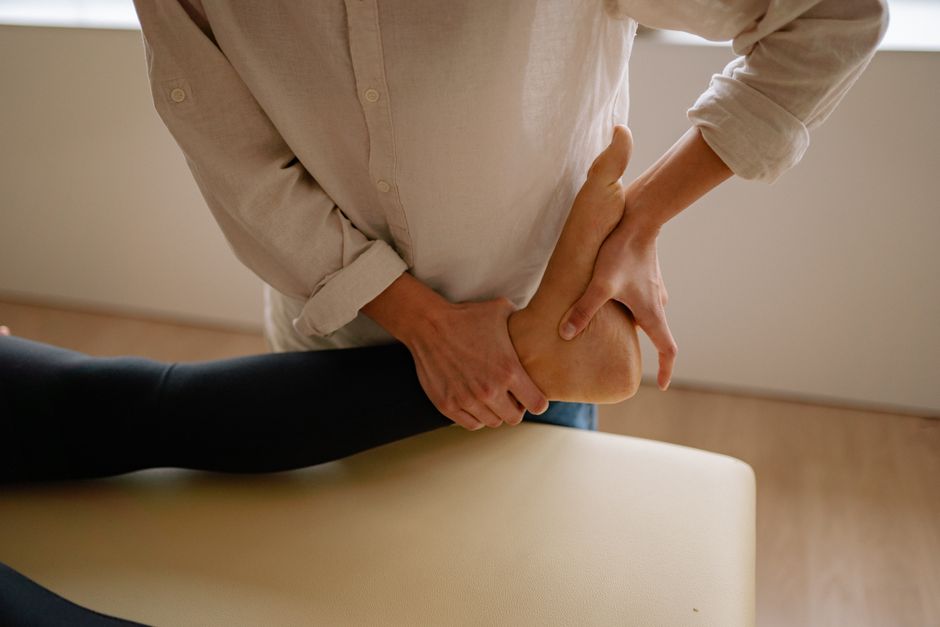
A torn hip tendon is a serious injury, but the word “torn” covers a wide range of damage. Some partial tears can heal with rest and physical therapy. Complete tears, where the tendon snaps fully off the bone, usually require surgery. The deciding factors are which tendon is injured, how severe the tear is, and your overall health.
What Does a Hip Tendon Tear Actually Mean?
Tendons are tough bands of tissue that connect muscle to bone. In the hip, several tendons work together to move and stabilize the joint. The most commonly injured are the gluteal tendons on the side of the hip and the hamstring tendons at the back of the thigh where they attach to the pelvis.
A “tear” can be partial, meaning the tendon is damaged but still connected. Or it can be complete, meaning the tendon has pulled completely away from the bone. The severity directly affects whether healing can happen without surgery.
Think of a rope. A few frayed strands still hold weight. A clean snap does not. Partial tears have a blood supply that can support healing. Complete tears often retract, or pull back, making natural reattachment nearly impossible.
Can A Torn Hip Tendon Heal Itself Without Surgery?
Yes, but only in specific situations. Partial tears of the gluteal tendons, often called gluteus medius tears, can heal with nonsurgical treatment. This is especially true when the tear involves less than half the tendon thickness.
Hamstring tendon tears at the pelvis follow similar rules. A partial tear may respond to rest and rehabilitation. A complete tear of the hamstring tendon from the bone usually does not heal on its own because the muscle pulls the tendon away, leaving a gap that scar tissue cannot bridge.
Age and tissue quality matter. Younger, healthier tendons have better blood flow and healing potential. Older tendons, or those weakened by years of wear, may not heal even with partial tears. Your doctor will use imaging, usually an MRI, to see the exact extent of the damage.
What Are the Treatment Options for a Hip Tendon Tear?
Treatment falls into two broad categories: nonsurgical and surgical. Most people start with nonsurgical care unless the tear is complete or causing severe loss of function.
Nonsurgical treatment focuses on reducing pain and restoring strength. This typically includes:
- Physical therapy to strengthen the surrounding muscles and improve hip mechanics
- Activity modification to avoid movements that strain the injured tendon
- Anti-inflammatory medications for short-term pain relief
- Ice to reduce local swelling and discomfort
Physical therapy is not optional in this plan. It is the core of nonsurgical care. The goal is to build up the gluteal and core muscles so they take pressure off the injured tendon. This can take three to six months of consistent work.
Surgery is considered when nonsurgical treatment fails after several months, or when the tear is complete. Surgical repair involves reattaching the tendon to the bone, often with anchors. Recovery after surgery is lengthy, typically requiring crutches for several weeks and months of rehabilitation.





How Do You Know If the Tear Is Healing?
Pain is the most obvious sign, but it can be misleading. Pain often decreases before the tendon is fully strong. The better indicators are function and strength.
You are healing when you can walk without a limp, climb stairs normally, and rise from a chair without using your arms. Your physical therapist will track your strength with specific tests. These objective measures matter more than how you feel on a given day.
MRI scans can show structural healing, but they are not usually repeated during nonsurgical treatment. The tendon can look abnormal on MRI for months even when you feel better. Clinical progress, not imaging, guides most treatment decisions.
What Happens If You Leave a Torn Hip Tendon Untreated?
Ignoring a hip tendon tear does not make it go away. The natural course depends on the severity of the injury.
Partial tears may stay stable or slowly worsen. Some people develop chronic pain and weakness that limits daily activities. Others compensate by changing how they walk, which can strain the lower back, knees, and the opposite hip.
Complete tears do not heal without intervention. The muscle loses its anchor, leading to permanent weakness. Over time, the muscle can atrophy, or shrink, from disuse. This makes surgical repair more difficult if you decide to have it later.
Fatty infiltration is a specific concern. When a tendon is torn, fat can replace muscle tissue over time. This process is often irreversible and weakens the muscle permanently. This is one reason doctors may recommend surgery sooner rather than later for complete tears.
How Long Does Recovery Take?
Recovery timelines vary significantly by injury and treatment path. There is no single answer that fits everyone.
For nonsurgical treatment of a partial tear, expect a gradual improvement over three to six months. Some people need up to a year to return to high-level activities like running or sports. The tendon heals slowly because it has limited blood supply.
For surgical repair, the timeline is longer. Initial recovery involves protecting the repair with crutches for four to six weeks. Physical therapy starts early but progresses slowly. Most people return to normal walking by three months. Full strength and return to demanding activities often takes six to twelve months.
Patience is not just helpful here; it is medically necessary. Pushing too hard too soon can re-tear the tendon and undo weeks of progress.
What Are the Risks of Hip Tendon Surgery?
Surgery is effective for many people, but it carries real risks. You should understand these before making a decision.
Common risks include infection, blood clots, and nerve damage. These are rare but possible. Specific to hip tendon repair, there is a risk of the repair failing or the tendon re-tearing after surgery.
Recovery is demanding. You will need help at home for the first weeks. You will need to follow strict movement restrictions to protect the repair. People who cannot commit to this rehabilitation may not achieve the full benefit of surgery.
Smoking significantly impairs tendon healing. If you smoke, your surgeon will likely recommend stopping well before surgery. Poor tissue quality, often from age or chronic inflammation, also increases the risk of failure.
When Should You See a Doctor?
See a doctor if you have hip pain that does not improve with rest within a few weeks. Seek urgent care if you cannot bear weight on the leg, if the leg gives way, or if you felt a sudden pop followed by severe pain and weakness.
A sudden loss of strength after an injury is a red flag. It may indicate a complete tear that needs surgical evaluation. Bruising that appears at the back of the thigh or around the hip within days of the injury also suggests a significant tendon tear.
Early evaluation matters. A delayed diagnosis can turn a repairable injury into one with a poorer outcome. Imaging, usually an MRI, provides the clearest picture of the tendon and guides treatment decisions.
Frequently Asked Questions
How long does a torn hip tendon take to heal without surgery?
Partial tears typically take three to six months of consistent physical therapy to heal. Complete tears generally do not heal without surgery.
Can you walk with a torn hip tendon?
Many people can walk with a partial tear, though it often causes pain and a limp. A complete tear may make walking very difficult or impossible without assistance.
What does a torn hip tendon feel like?
It usually feels like a deep ache in the hip or buttock that worsens with activity. Some people report a sudden sharp pain or a popping sensation at the moment of injury.
Is surgery always required for a torn hip tendon?
No. Partial tears often respond to nonsurgical treatment. Surgery is typically reserved for complete tears or partial tears that fail to improve after several months of therapy.
