
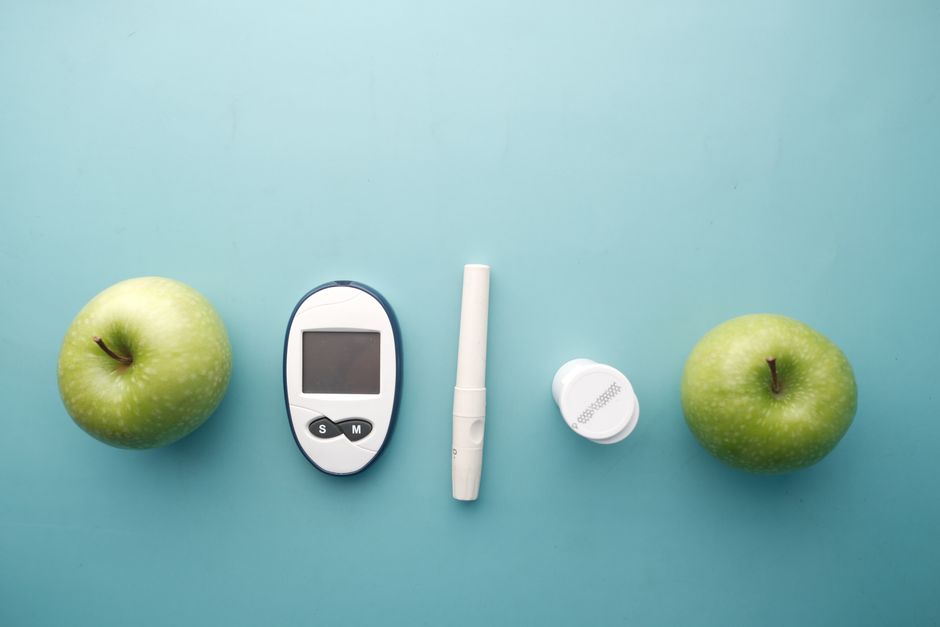
A high glucose level means there is more sugar in your blood than your body can properly manage at that moment. A single high reading is not a diagnosis, but it is a clear signal that something in your glucose regulation system needs attention. Understanding what a high number means depends on the number itself, when the test was taken, and whether it happens repeatedly.
What Is a Normal Blood Glucose Level?
Blood glucose is measured in milligrams per deciliter (mg/dL). The numbers that count as “normal” depend on whether you have eaten recently.
For a person without diabetes, a fasting blood glucose level — measured after at least 8 hours without food — should be between 70 and 99 mg/dL. A fasting level of 100 to 125 mg/dL is considered prediabetes. A fasting level of 126 mg/dL or higher on two separate tests indicates diabetes.
After a meal, blood sugar rises naturally. Two hours after eating, a normal level is typically below 140 mg/dL. A reading of 140 to 199 mg/dL two hours after a meal suggests impaired glucose tolerance, which is another form of prediabetes. A reading of 200 mg/dL or higher at that point suggests diabetes.
An A1C test gives a different kind of information. It measures your average blood sugar over the past two to three months. A normal A1C is below 5.7 percent. Prediabetes ranges from 5.7 to 6.4 percent. Diabetes is diagnosed at 6.5 percent or higher.
What Does It Mean If Your Glucose Level Is High
If your glucose level is high, your body is not moving sugar out of your bloodstream efficiently. Insulin, a hormone made by the pancreas, normally acts like a key that opens cells so glucose can enter and be used for energy. When this system fails, glucose stays in the blood.
Two main problems cause this. In type 2 diabetes, the cells become resistant to insulin’s signal. The pancreas works harder to produce more insulin, but over time it cannot keep up. In type 1 diabetes, the immune system destroys the insulin-producing cells entirely, so no insulin is available at all.
A single high reading can also be temporary and harmless. Stress, illness, a large meal, or a missed dose of medication can all push glucose up. The pattern matters more than any single number. If high readings appear regularly, that pattern points to an underlying issue worth investigating.
What Are the Symptoms of High Blood Sugar?
High blood sugar produces symptoms when it rises enough to affect how your body functions. Some people notice these signs quickly. Others have no symptoms at all, especially when levels are only mildly elevated.
Common symptoms include:
- Increased thirst
- Frequent urination
- Blurry vision
- Fatigue
- Headaches
- Dry mouth
- Slow-healing cuts and sores
These symptoms develop because your kidneys work to flush excess sugar out through urine, which pulls water with it. That is why thirst and frequent urination often appear first. Blurry vision happens when high glucose draws fluid out of the lenses of your eyes.
If blood sugar climbs very high — typically above 250 mg/dL — symptoms can become more severe. Nausea, vomiting, confusion, and difficulty breathing are warning signs that require immediate medical attention.




What Causes High Blood Glucose?
Several factors can raise blood glucose. Diet is the most obvious one. Carbohydrates break down into glucose during digestion. A meal heavy in refined carbohydrates — white bread, sugary drinks, pastries — can push glucose up quickly.
The body normally responds by releasing insulin, but that response can be slow or weak in people with insulin resistance. Over time, consistently high-carbohydrate meals can strain the system further.
Physical activity lowers blood sugar because working muscles absorb glucose without needing as much insulin. A sedentary lifestyle removes that protective effect. Even a short walk after a meal can blunt the post-meal rise.
Stress raises blood sugar through hormones. Cortisol and adrenaline signal the liver to release stored glucose, preparing your body for a fight-or-flight response. Chronic stress keeps those hormones elevated, which can keep glucose higher than it should be.
Sleep matters too. Poor sleep reduces insulin sensitivity. Studies have shown that even a few nights of short sleep can impair glucose regulation in healthy people.
Certain medications can raise blood sugar as a side effect. Corticosteroids, some diuretics, and some antipsychotic medications are common culprits. If you take any of these and notice high readings, talk to your doctor before changing anything.
What Happens When High Blood Sugar Goes Untreated?
Chronic high blood sugar damages blood vessels throughout the body. The damage happens slowly, over years, and often without noticeable symptoms until significant harm has occurred.
Small blood vessels are the most vulnerable. In the eyes, damaged vessels can lead to diabetic retinopathy, a leading cause of blindness in adults. In the kidneys, damaged vessels impair the organ’s ability to filter waste, eventually leading to kidney disease. In the nerves, poor blood flow and glucose toxicity cause neuropathy — tingling, numbness, or pain, most often in the feet and hands.
Large blood vessels are affected too. People with poorly controlled diabetes have a significantly higher risk of heart attack, stroke, and peripheral artery disease. High glucose damages the inner lining of arteries, making it easier for plaque to build up.
These complications are not inevitable. Keeping glucose levels in a healthy range dramatically reduces the risk. The key is identifying the problem early and taking consistent action.
How Is High Blood Glucose Treated?
Treatment depends on the cause and severity of the elevation. For prediabetes, lifestyle changes are the primary approach. Weight loss of even 5 to 7 percent of body weight has been shown to improve insulin sensitivity and can prevent or delay progression to diabetes.
Dietary changes focus on reducing refined carbohydrates and increasing fiber. Vegetables, whole grains, legumes, and lean proteins digest more slowly, producing a gentler rise in blood sugar. The order in which you eat matters too — eating protein and vegetables before carbohydrates can reduce the post-meal glucose spike.
Physical activity is equally important. The American Diabetes Association recommends at least 150 minutes of moderate-intensity aerobic activity per week, spread over at least three days. Resistance training twice a week adds additional benefit because muscle tissue is a major consumer of glucose.
When lifestyle changes are not enough, medication becomes necessary. Metformin is typically the first medication prescribed for type 2 diabetes. It reduces the amount of glucose your liver releases and improves insulin sensitivity. Many other medication classes exist, and the right choice depends on your specific situation.
For type 1 diabetes, insulin therapy is required. It is not optional. People with type 1 diabetes cannot produce insulin and must take it for survival.
For people with type 2 diabetes, insulin may also be needed eventually, especially as the pancreas loses function over time. This is not a failure on the patient’s part. It is the natural progression of the disease for many people.
When Should You See a Doctor?
One high reading on a home glucose monitor is not an emergency. It is a reason to pay attention, not to panic. If you have no diabetes diagnosis and took a random reading that came back high, repeat the test after fasting for 8 hours. If that reading is also elevated, schedule an appointment with your doctor.
If you have diabetes and your readings are consistently above your target range — usually above 180 mg/dL — for several days, contact your healthcare team. They may need to adjust your medication or help you identify what is causing the elevation.
Seek emergency care immediately if you have high blood sugar along with any of these symptoms:
- Nausea or vomiting
- Confusion or difficulty speaking
- Rapid breathing
- Fruity-smelling breath
- Severe abdominal pain
These can be signs of diabetic ketoacidosis (DKA) or hyperosmolar hyperglycemic state (HHS), both of which are medical emergencies. DKA occurs most often in type 1 diabetes but can happen in type 2 as well. HHS is more common in older adults with type 2 diabetes.
Can High Blood Glucose Be Reversed?
For people with prediabetes, yes. Research consistently shows that lifestyle changes can return blood glucose to normal levels. The Diabetes Prevention Program, a major clinical trial, found that intensive lifestyle intervention reduced the risk of developing diabetes by 58 percent compared with placebo.
For people with type 2 diabetes, “reversal” is more complicated. Some people achieve normal glucose levels without medication through substantial weight loss and sustained lifestyle changes. This is sometimes called remission. It is more likely in people who have had diabetes for a shorter time and who lose a significant amount of weight.
Remission does not mean cured. The underlying tendency toward insulin resistance remains. If the person regains weight or stops exercising, blood glucose typically rises again. Ongoing monitoring is essential.
For type 1 diabetes, reversal is not currently possible. The insulin-producing cells are destroyed, and no lifestyle change can bring them back. Research into islet transplantation and other approaches continues, but these are not widely available treatments.
How to Monitor Your Blood Glucose at Home
Home glucose monitors give you a snapshot of your blood sugar at a specific moment. They are most useful for people who already know they have diabetes or prediabetes. For people without a diagnosis, home testing can provide useful information but should not replace a formal lab test.
Fingerstick testing involves pricking your fingertip with a small lancet and placing a drop of blood on a test strip. The meter displays your glucose level within seconds. Continuous glucose monitors (CGMs) use a small sensor inserted under the skin to measure glucose in the fluid between cells every few minutes.
If you test at home, record your results. Patterns matter more than individual readings. A log showing consistently elevated fasting levels or large post-meal spikes is valuable information for your doctor.
Testing supplies must be stored properly. Test strips that are expired or exposed to heat and humidity can give inaccurate results. If a reading seems wildly off from how you feel, repeat the test.
Frequently Asked Questions
What glucose level is considered dangerously high?
A blood glucose level above 250 mg/dL is concerning, and levels above 600 mg/dL are considered a medical emergency. Seek immediate medical care if your glucose is very high and you have symptoms like confusion, nausea, or rapid breathing.
Can drinking water lower blood sugar?
Water helps your kidneys flush excess glucose out through urine, which can lower blood sugar modestly. It is not a treatment for diabetes, but staying hydrated is important, especially when levels are elevated.
How long does it take for blood sugar to come down after eating?
In a person without diabetes, blood sugar typically peaks about one hour after eating and returns to near-normal within two to three hours. In someone with insulin resistance or diabetes, this process takes longer.
Is high blood sugar the same as diabetes?
No. A single high reading can happen for many reasons, including stress, illness, or a large meal. Diabetes is diagnosed only when high glucose levels are confirmed through specific lab tests on more than one occasion.
