
Your glucose test result comes back from the lab, and you stare at the numbers. You want to know if you passed. The short answer is that you passed if your blood sugar level falls below the cutoff your doctor uses, which is typically 140 mg/dL one hour after the drink for the screening test. If your level is at or above that number, you did not pass the screening, and your doctor will order a longer, more detailed test to confirm whether you have gestational diabetes.
What Is the Glucose Test Actually Checking?
The glucose test checks how your body processes sugar. During pregnancy, the placenta produces hormones that can interfere with insulin. Insulin is the hormone that moves sugar out of your blood and into your cells for energy. When insulin does not work as well, sugar builds up in your blood.
This condition is called gestational diabetes. It usually develops in the second half of pregnancy. Most women who get it have no symptoms, which is why screening is routine for nearly all pregnant women.
The test itself is simple. You drink a sweet liquid that contains a set amount of sugar. Then a blood draw measures how quickly your body clears that sugar from your bloodstream.
How Do You Know If You Passed Your Glucose Test?
You passed if your blood sugar level is below the cutoff set by your doctor or lab. For the one-hour screening test, the standard cutoff is 140 mg/dL. Some practices use 130 mg/dL or 135 mg/dL to be more cautious. If your number is below the cutoff, you do not have gestational diabetes and no further testing is needed.
If your number is at or above the cutoff, you did not pass the screening. This does not mean you have gestational diabetes. It means your body processed the sugar more slowly than expected, and you need a follow-up test to get a clearer picture.
Most women who fail the one-hour screening go on to pass the longer three-hour test. The screening is designed to catch as many cases as possible, so it intentionally casts a wide net.
What Happens If You Do Not Pass the Screening?
Your doctor will schedule a three-hour glucose tolerance test. This test is more involved. You fast overnight, then get a blood draw to measure your fasting blood sugar. You drink a liquid with a higher sugar concentration, and blood is drawn again at one, two, and three hours after drinking.
The three-hour test has specific cutoffs at each time point. If two or more of your four readings are above the cutoffs, you are diagnosed with gestational diabetes. If only one reading is high, some doctors diagnose it and others do not, depending on their guidelines.
This is the test that gives a definitive answer. The one-hour screening is a filter. The three-hour test is the diagnosis.

What Do the Numbers Mean?
For the three-hour glucose tolerance test, the commonly used cutoffs are:
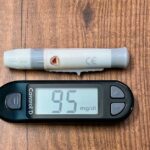
- Fasting: 95 mg/dL or lower
- One hour: 180 mg/dL or lower
- Two hours: 155 mg/dL or lower
- Three hours: 140 mg/dL or lower
Different organizations use slightly different thresholds. The American College of Obstetricians and Gynecologists uses these values. Other guidelines, such as those from the International Association of Diabetes and Pregnancy Study Groups, use a different two-step approach with lower cutoffs.
What matters is that your doctor interprets your results against the specific guidelines their practice follows. Ask your doctor which cutoffs they use if you want to understand your result fully.
Can You Do Anything to Change the Result?
You cannot control the screening result by changing what you eat the day before. The test measures how your body handles a fixed amount of sugar, not your recent food choices. Some doctors ask you to eat normally in the days before the test so the result reflects your typical pregnancy.
Do not fast before the one-hour screening unless your doctor tells you to. Fasting is not required for that test, and it can actually make the result harder to interpret. The one-hour test assumes you have eaten normally.
There is no reliable way to “trick” the test. Attempting to eat a very low-carb diet for days before the test can change how your body responds to the sugar drink, but that does not give your doctor accurate information about your usual glucose handling. The test only works if you take it under normal conditions.
What If You Are Diagnosed With Gestational Diabetes?
A diagnosis is not a reason to panic. Gestational diabetes is one of the most common pregnancy complications, affecting roughly 6 to 9 percent of pregnancies in the United States. With proper management, most women with gestational diabetes have healthy pregnancies and healthy babies.
Management typically involves checking your blood sugar at home, following a meal plan that spreads carbohydrates throughout the day, and getting regular physical activity. Some women also need insulin or oral medication if diet and exercise are not enough to keep blood sugar in range.
Untreated gestational diabetes carries real risks. High blood sugar can make the baby grow larger than average, which increases the chance of a difficult delivery or cesarean section. It also raises the risk of the baby having low blood sugar right after birth. Managing the condition reduces these risks substantially.
After delivery, blood sugar usually returns to normal. However, women who have had gestational diabetes face a higher lifetime risk of developing type 2 diabetes. That is why follow-up testing after pregnancy matters. Your doctor will likely recommend a glucose test six to twelve weeks after delivery, then regular screening every few years.
Why Do Some Women Skip the Test?
Some women decline the glucose test because they find the drink unpleasant or they worry about the diagnosis. The drink can cause nausea for some women, and the fasting required for the three-hour test is uncomfortable.
Know that the screening is routine and widely recommended. The potential harm of missing gestational diabetes is greater than the temporary discomfort of the test. If you are worried about the drink making you nauseous, tell your care team. They can offer tips to make it more tolerable, such as drinking it cold or sipping it slowly.
If you decline the test, some practices will ask you to check your blood sugar at home for a period of time instead. This is not as standardized as the glucose test, but it offers some monitoring. Talk to your doctor about your options if you have concerns.
How Accurate Is the Glucose Test?
The one-hour screening is intentionally sensitive. It catches most women who have gestational diabetes, but it also flags many who do not. That is why failing the screening does not mean you have the condition. The three-hour test is more specific and gives a reliable diagnosis.
Research consistently shows that treating gestational diabetes improves outcomes for both mother and baby. The benefits include fewer large babies, fewer cesarean deliveries, and lower rates of preeclampsia, a serious blood pressure condition in pregnancy.
The test is not perfect. Some women with mild gestational diabetes may fall just below the diagnostic cutoff and go untreated. But the current screening approach catches the vast majority of cases that would benefit from treatment.
Frequently Asked Questions
What is a passing score on the one-hour glucose test?
A blood sugar level below 140 mg/dL one hour after drinking the glucose solution is considered passing. Some practices use a lower cutoff of 130 or 135 mg/dL for extra caution.
Can you pass the one-hour test but still have gestational diabetes?
It is rare but possible, since the screening is not perfect. This is why some women with risk factors are screened again later in pregnancy even if their first test was normal.
How long does it take to get glucose test results?
Most labs return results within a few days. Your doctor’s office will contact you if the result is abnormal, so you do not need to call for results unless you have not heard back within a week.
Is it normal to feel sick after the glucose drink?
Yes, the drink makes some women feel nauseous, dizzy, or sweaty. These symptoms usually pass within an hour. Tell your care team if you feel unwell during the test.
