
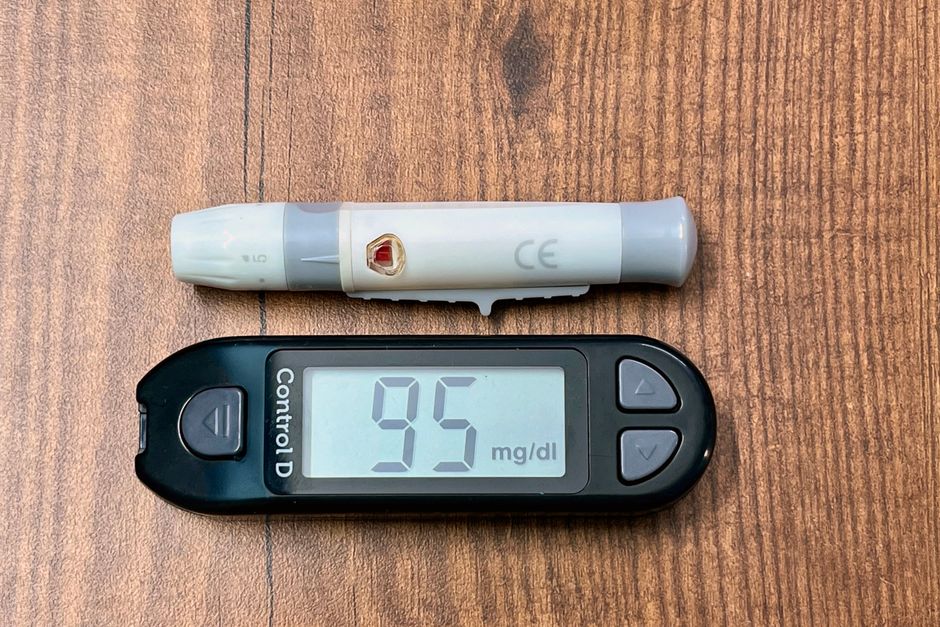
Blood glucose, or blood sugar, is the main type of sugar in your blood. It comes from the food you eat and is your body’s main source of energy. A normal blood glucose level for most healthy adults is between 70 and 99 mg/dL when fasting, and under 140 mg/dL about two hours after eating. These numbers are the standard ranges used by medical professionals to assess metabolic health, and they serve as the baseline for diagnosing conditions like prediabetes and diabetes.
What Is A Normal Blood Glucose Level And Range?
A normal fasting blood glucose level is between 70 and 99 mg/dL. This means you have not eaten for at least eight hours. If your fasting level is between 100 and 125 mg/dL, doctors consider this prediabetes. A fasting level of 126 mg/dL or higher on two separate tests indicates diabetes.
Blood glucose changes throughout the day based on what you eat, when you eat, and your activity level. The ranges above are for venous blood tests done in a lab. Home glucose monitors measure capillary blood and can vary slightly, but the target ranges are essentially the same.
How Does The Body Regulate Blood Glucose?
Your body keeps blood glucose in a tight range using hormones. Insulin and glucagon are the two main players. Both are made by the pancreas.
After you eat, carbohydrates break down into glucose. This glucose enters your bloodstream. Rising blood glucose signals the pancreas to release insulin. Insulin acts like a key, allowing glucose to enter your cells for energy or storage. As glucose enters cells, blood levels drop back to normal.
When you go without food, blood glucose falls. The pancreas then releases glucagon. Glucagon tells the liver to release stored glucose back into the blood. This keeps your levels from dropping too low.
This system is precise. In a healthy person, it keeps fasting glucose between 70 and 99 mg/dL regardless of whether you ate a large meal or skipped dinner.
What Do The Numbers Mean?
Doctors use several tests to check blood glucose. Each measures something slightly different.
- Fasting blood glucose: Taken after at least eight hours without food. Normal is 70-99 mg/dL.
- Postprandial glucose: Taken two hours after a meal. Normal is under 140 mg/dL.
- Hemoglobin A1c: Measures average blood glucose over the past two to three months. Normal is below 5.7 percent.
- Random glucose: Taken at any time of day. Normal is usually under 140 mg/dL, though a single high reading needs confirmation.
The A1c test is the best long-term picture. It reflects how much glucose has attached to red blood cells over time. It does not require fasting and is not affected by a single meal.


When Is Blood Glucose Considered Prediabetes Or Diabetes?
Prediabetes is a warning zone. Blood glucose is higher than normal but not high enough for a diabetes diagnosis. The numbers for prediabetes are:
- Fasting glucose: 100-125 mg/dL
- A1c: 5.7-6.4 percent
- Two-hour glucose after a 75-gram oral glucose tolerance test: 140-199 mg/dL
Diabetes is diagnosed when levels cross a higher threshold. The diagnostic criteria are:
- Fasting glucose: 126 mg/dL or higher
- A1c: 6.5 percent or higher
- Two-hour glucose during an oral glucose tolerance test: 200 mg/dL or higher
- Random glucose: 200 mg/dL or higher plus classic symptoms like frequent urination or unexplained weight loss
These criteria come from the American Diabetes Association and are used worldwide. A diagnosis usually requires two abnormal test results on separate days, unless symptoms are present with a random glucose of 200 mg/dL or higher.
What Causes Blood Glucose To Go Too High Or Too Low?
High blood glucose, called hyperglycemia, happens when the body does not make enough insulin or cannot use insulin effectively. This is the hallmark of diabetes. But even without diabetes, certain situations can push glucose up. Illness, stress, certain medications like steroids, and even a lack of sleep can raise blood glucose temporarily.
Low blood glucose, called hypoglycemia, is usually defined as below 70 mg/dL. It can cause shakiness, sweating, confusion, and rapid heartbeat. For people without diabetes, hypoglycemia is uncommon. It can happen after prolonged fasting, heavy alcohol use without food, or certain medical conditions. Some people experience reactive hypoglycemia, where glucose drops a few hours after a high-carbohydrate meal, but this is less common than often believed.
How Do Age And Other Factors Affect Normal Blood Glucose?
Age itself does not change the definition of normal blood glucose. The same 70-99 mg/dL fasting range applies to adults of all ages. However, older adults often have slightly higher glucose levels because insulin sensitivity tends to decrease with age.
Pregnancy changes glucose targets. During pregnancy, blood glucose is typically checked with an oral glucose tolerance test. Fasting targets are often lower, around 95 mg/dL or less, because pregnancy hormones affect insulin action. Gestational diabetes is diagnosed using specific pregnancy guidelines, not the standard adult ranges.
Children have similar normal ranges to adults, though younger children may have slightly lower fasting levels. If you are checking a child’s glucose at home, follow the target ranges recommended by their doctor.
How To Check Your Blood Glucose At Home
Home glucose monitors are widely available. They use a small drop of blood from a fingertip. The device gives a reading in seconds. These monitors are useful for people with diabetes or those monitoring for other reasons.
If you are checking at home, test at consistent times. Fasting readings should be taken first thing in the morning before any food or drink except water. Post-meal readings should be timed two hours from the start of your meal.
Home monitors are not diagnostic tools. If your home readings are consistently above 100 mg/dL fasting, see a doctor for a lab test. Home monitors can vary by several points compared to lab tests. A lab test gives the definitive answer.
Can You Lower High Blood Glucose Naturally?
Yes, for many people. Lifestyle changes are the first-line approach for prediabetes and early type 2 diabetes. The evidence for these approaches is strong.
Regular physical activity helps muscles use glucose more efficiently. Both aerobic exercise like walking and resistance training like weight lifting improve glucose control. Even a 15-minute walk after meals can blunt the post-meal glucose rise.
Diet matters more for glucose than almost anything else. Reducing refined carbohydrates and added sugars is the most direct way to lower post-meal glucose. Foods high in fiber, protein, and healthy fats slow digestion and produce a gentler glucose response.
Weight loss, even modest weight loss, improves insulin sensitivity. Research consistently shows that losing 5-7 percent of body weight reduces the risk of progressing from prediabetes to diabetes.
Some supplements claim to lower blood glucose. Cinnamon, berberine, and chromium have all been studied. The evidence is mixed. No supplement has been proven to replace lifestyle changes or medication. If you are considering a supplement, discuss it with your doctor first.
When Should You See A Doctor About Blood Glucose?
See a doctor if you have symptoms of high blood glucose. These include increased thirst, frequent urination, blurred vision, fatigue, and slow-healing wounds. These symptoms can develop gradually, so they are easy to dismiss.
You should also see a doctor if you have risk factors for diabetes. These include being overweight, having a family history of diabetes, being physically inactive, or having had gestational diabetes. The American Diabetes Association recommends screening for prediabetes and diabetes starting at age 35, but earlier if you have risk factors.
If you have been diagnosed with prediabetes, regular monitoring is important. Prediabetes is reversible with lifestyle changes, but it can progress to diabetes without intervention. Your doctor can tell you how often to check your glucose and when to repeat lab tests.
Frequently Asked Questions
What is a normal blood sugar level after eating?
A normal blood glucose level two hours after eating is under 140 mg/dL for most healthy adults. Levels between 140 and 199 mg/dL suggest prediabetes, and 200 mg/dL or higher indicates diabetes.
Is 100 mg/dL blood sugar normal?
A fasting blood glucose of 100 mg/dL is at the upper edge of normal and is classified as prediabetes by current guidelines. Levels between 100 and 125 mg/dL indicate impaired fasting glucose, which is a risk factor for developing type 2 diabetes.
What is a dangerous blood sugar level?
A blood glucose level below 70 mg/dL is considered hypoglycemia and can be dangerous if left untreated. Persistent levels above 250 mg/dL, especially with symptoms like nausea or confusion, require medical attention.
Does drinking water lower blood sugar?
Drinking water helps your kidneys flush excess glucose through urine, which can temporarily lower blood glucose levels. Staying hydrated is helpful, but water alone does not correct chronic high blood glucose caused by diabetes.
