
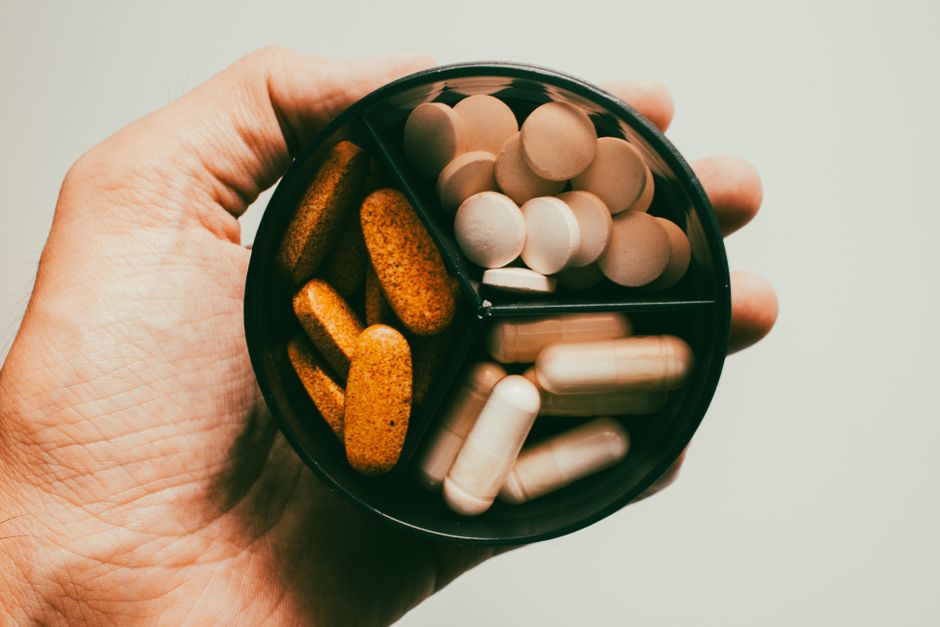
Potassium helps the body balance sodium and relax blood vessel walls, and getting enough of it from food is linked to lower blood pressure. The best form of potassium for high blood pressure is potassium from food — mainly vegetables, beans, fruit, and dairy — rather than potassium pills or salt substitutes. Food sources also deliver fiber, magnesium, and other nutrients that pills do not, and they are far less likely to push potassium to unsafe levels.
If you have high blood pressure, the more useful question is not which supplement to buy. It is how to get more potassium-rich food into your daily meals while cutting back on sodium. That combination is what the evidence actually supports.
How Does Potassium Lower Blood Pressure?
Potassium works against sodium. The two minerals sit on opposite sides of a balance your kidneys manage every day.
When you eat a lot of sodium, your body holds extra fluid. That extra fluid raises the pressure inside your arteries. Potassium helps your kidneys flush sodium out in urine. It also eases tension in the walls of blood vessels, so they widen slightly. Both effects push blood pressure down.
This is established physiology, not a theory. The relationship between potassium, sodium, and blood pressure is one of the better-understood mechanisms in nutrition science.
One point worth separating out: potassium does not cancel out a high-salt diet. It shifts the balance, but it does not erase the effect of heavy sodium intake. The two need to move in opposite directions — potassium up, sodium down.
What Form Of Potassium Is Best For High Blood Pressure?
Food is the best form. This is the position taken by major health organizations that have reviewed the evidence on potassium and blood pressure, and it holds up for a few practical reasons.
First, food potassium comes packaged with other minerals and compounds that support blood pressure on their own. Second, it is nearly impossible to overshoot on potassium from food alone in a person with healthy kidneys. Third, supplements deliver a concentrated dose that can be risky for some people.
Potassium-rich foods include:
- Beans and lentils — white beans, kidney beans, black beans, soybeans
- Leafy greens — spinach, Swiss chard, beet greens
- Potatoes and sweet potatoes, with the skin
- Bananas, oranges, and dried fruit like raisins and prunes
- Tomatoes and tomato products
- Avocado
- Yogurt and milk
- Winter squash and acorn squash
The pattern here matters more than any single food. A diet built around these items — often described as a DASH-style eating pattern — has been studied directly for blood pressure and shows consistent benefit. The DASH eating plan, which stands for Dietary Approaches to Stop Hypertension, emphasizes vegetables, fruits, whole grains, and low-fat dairy while limiting saturated fat and sodium.
Are Potassium Supplements a Good Idea?
For most people, no — and this is not a small caution.
Over-the-counter potassium supplements in the United States are limited by regulation to a small amount per pill, usually no more than 99 mg of elemental potassium. That is a fraction of what a single serving of beans or a potato provides. So the dose in a typical supplement is unlikely to move blood pressure much on its own.
The bigger issue is safety. High-dose potassium can cause dangerous heart rhythm problems, and the risk is real for people whose kidneys do not clear potassium well. That includes people with chronic kidney disease, older adults, and anyone taking certain blood pressure medications.
Some clinicians prescribe potassium supplements or potassium-sparing strategies for specific patients. That is a medical decision made with lab monitoring. It is not something to start on your own.





Who Should Be Careful With Potassium?
More potassium is not better for everyone. Some people need to limit it.
Talk to your doctor before increasing potassium if you:
- Have kidney disease or reduced kidney function
- Take ACE inhibitors, ARBs, or potassium-sparing diuretics
- Take aldosterone antagonists such as spironolactone
- Have type 1 diabetes, heart failure, or adrenal conditions
- Are an older adult with any of the above
These medications and conditions reduce how much potassium the body removes. Adding more can push blood levels too high, a condition called hyperkalemia. In serious cases it can disrupt the heart’s rhythm.
Healthy kidneys handle potassium well. Impaired kidneys do not. That single difference explains most of the risk.
What About Potassium Chloride Salt Substitutes?
Salt substitutes swap some or all of the sodium chloride for potassium chloride. They can lower sodium intake and add potassium at the same time, and some research has found modest blood pressure benefits from using them.
They are not risk-free. The same people who need to watch potassium supplements also need to watch salt substitutes, because potassium chloride delivers a meaningful dose. If you have kidney disease or take the medications listed above, check with your doctor before using one.
For everyone else, a salt substitute can be a reasonable swap. Just do not treat it as a free pass to use more salt overall.
How Much Potassium Do You Actually Need?
Federal dietary guidelines list an adequate intake of 4,700 mg of potassium per day for adults. Most Americans fall well short of that. Average intake tends to land around half that amount.
That gap is the real story. The problem for most people is not choosing the wrong form of potassium — it is not getting enough from any source.
For reference, here is roughly what common foods provide:
| Food | Approximate Potassium |
|---|---|
| 1 medium baked potato with skin | About 900 mg |
| 1 cup cooked white beans | About 1,000 mg |
| 1 medium banana | About 420 mg |
| 1 cup cooked spinach | About 840 mg |
| 1 medium avocado | About 700 mg |
| 1 cup plain yogurt | About 380 mg |
| 1 medium orange | About 240 mg |
These figures come from standard USDA nutrient data and are approximate. Preparation and variety shift them somewhat.
Notice how quickly food adds up. A potato, a cup of beans, and a banana together clear 2,300 mg. Add vegetables and dairy across the day and 4,700 mg becomes realistic without any supplement.
Does the Type of Potassium in Food Matter?
Not in a way you need to track. Potassium in food exists mostly as potassium salts bound to other molecules, and the body handles them similarly once absorbed.
What differs between foods is everything else they carry. Beans bring fiber and plant protein. Leafy greens bring magnesium and folate. Dairy brings calcium. Those nutrients travel with the potassium and likely contribute to the blood pressure effect.
This is why isolating potassium into a pill misses the point. The benefit appears to come from the whole dietary pattern, not one mineral in isolation.
What Else Lowers Blood Pressure Alongside Potassium?
Potassium is one lever, not the whole machine. The evidence is strongest for a combined approach.
- Cut sodium. Federal guidelines recommend keeping sodium under 2,300 mg per day, and lower targets are often advised for people with high blood pressure.
- Follow a DASH-style diet. This pattern has been studied directly for blood pressure and shows consistent benefit.
- Move regularly. Physical activity has a modest but real effect on blood pressure.
- Limit alcohol. Heavy drinking raises blood pressure.
- Maintain a healthy weight. Weight loss lowers blood pressure in people carrying extra weight.
None of these replaces medication if your doctor has prescribed it. Diet and lifestyle work alongside treatment, not instead of it.
If you take blood pressure medication, do not stop it to try dietary changes on your own. Talk to your doctor first.
Frequently Asked Questions
What form of potassium is best for high blood pressure?
Potassium from food is the best form, especially from vegetables, beans, fruit, and dairy. Food sources are safer than supplements for most people and come with other nutrients that support blood pressure.
Can I just take a potassium supplement for blood pressure?
Over-the-counter potassium supplements are limited to about 99 mg per pill in the US, which is too small to move blood pressure much on its own. Higher doses require a prescription and lab monitoring because of heart rhythm risks.
How much potassium do I need per day for blood pressure?
Federal guidelines list an adequate intake of 4,700 mg per day for adults. Most Americans get roughly half that amount from food.
Are potassium salt substitutes safe for high blood pressure?
They can help lower sodium and add potassium, but they are not safe for everyone. People with kidney disease or those taking ACE inhibitors, ARBs, or potassium-sparing diuretics should check with their doctor first.
