
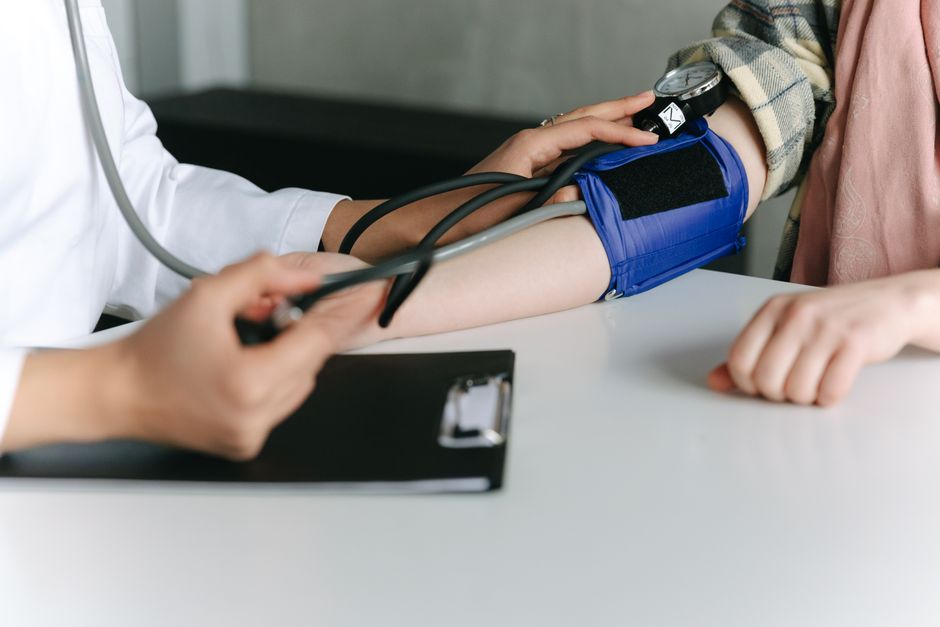
High blood pressure often has no symptoms, so a diagnosis can feel sudden and confusing. The first thing to do is confirm the reading with your doctor, since a single high number can be influenced by stress, caffeine, or a poorly fitted cuff. From there, the path forward usually combines lifestyle changes and, when needed, medication prescribed by a healthcare professional. The goal is straightforward: lower your numbers to reduce the long-term strain on your heart, brain, and kidneys.
What Counts as High Blood Pressure?
Blood pressure is measured in millimeters of mercury (mmHg) and recorded as two numbers. The top number is systolic pressure, the force when your heart beats. The bottom number is diastolic pressure, the force when your heart rests between beats.
A normal reading is below 120/80 mmHg. Elevated blood pressure starts at 120-129 systolic with a diastolic under 80. Stage 1 hypertension is 130-139 systolic or 80-89 diastolic. Stage 2 hypertension is 140/90 or higher. A reading above 180/120 is a hypertensive crisis and requires immediate medical attention.
These thresholds come from established clinical guidelines. If your reading falls in the elevated or stage 1 range, your doctor will likely recommend lifestyle changes before considering medication. Stage 2 usually means medication is part of the plan from the start.
What To Do When You Have High Blood Pressure: First Steps
Start by working with your doctor to create a treatment plan. Do not stop any current medications without medical advice, and do not start over-the-counter supplements without checking for interactions first.
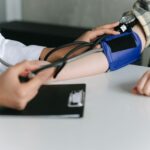
Your doctor will likely want to track your readings at home. A home monitor gives a clearer picture than occasional office visits, where anxiety can push numbers higher — a phenomenon called white coat hypertension. Take readings at the same time each day, sitting quietly for five minutes first, with your feet flat on the floor and your arm supported at heart level.
Keep a simple log of your numbers and bring it to appointments. This data helps your doctor adjust treatment based on your real-world patterns rather than a single snapshot.
Dietary Changes That Actually Lower Blood Pressure
The strongest dietary evidence points to the DASH diet — Dietary Approaches to Stop Hypertension. This eating pattern emphasizes vegetables, fruits, whole grains, lean protein, and low-fat dairy while limiting saturated fat, sugar, and refined carbohydrates.
Research consistently shows the DASH diet can lower systolic blood pressure within a few weeks. Its effect is most pronounced when combined with sodium reduction. Most adults should aim for less than 2,300 mg of sodium per day, and the American Heart Association suggests an ideal limit of 1,500 mg for most adults, especially those with high blood pressure.
Potassium also matters. Foods rich in potassium — like bananas, potatoes, spinach, and beans — help counterbalance sodium’s effect on blood pressure. However, people with kidney disease should not increase potassium intake without medical guidance, since their kidneys may not clear it properly.
Alcohol is another factor. If you drink, keep it moderate: no more than two drinks per day for men and one for women. Heavy drinking clearly raises blood pressure, and cutting back can lower it measurably.
Physical Activity and Weight Management
Regular aerobic exercise lowers blood pressure by making your heart stronger and your blood vessels more flexible. The general recommendation is at least 150 minutes of moderate-intensity exercise per week — about 30 minutes most days. Brisk walking, cycling, and swimming all count.
Some research also supports isometric exercises, like wall sits and handgrip squeezes, as particularly effective for blood pressure reduction. These can be added to a routine but should not replace aerobic activity.
Weight loss has a direct effect. For every kilogram (about 2.2 pounds) lost, systolic blood pressure drops roughly 1 mmHg. That may sound small, but losing 10-15 pounds can produce meaningful improvement. Even modest weight loss reduces the workload on your heart.
If you are just starting to exercise, begin slowly. Check with your doctor first if you have not been active, especially if your blood pressure is significantly elevated.
Medication: What to Expect
Several classes of blood pressure medications exist, and your doctor will choose based on your age, other health conditions, and how high your numbers are. Common options include ACE inhibitors, ARBs, calcium channel blockers, and diuretics.
These medications work through different mechanisms. Diuretics help your kidneys remove excess sodium and fluid. ACE inhibitors and ARBs relax blood vessels by blocking a hormone that narrows them. Calcium channel blockers prevent calcium from entering heart and vessel muscle cells, which relaxes the vessels.
Medication is not a sign of failure. Many people need more than one drug to reach their target, and that is normal. It can take several weeks to find the right combination and dose. Side effects vary by drug class, so report anything bothersome to your doctor rather than stopping the medication on your own.
Blood pressure medication works only while you take it. Skipping doses or stopping without medical supervision can cause your pressure to spike, which increases the risk of stroke or heart attack.
Lifestyle Factors People Often Overlook
Sleep quality directly affects blood pressure. During deep sleep, your blood pressure naturally drops. Chronic sleep deprivation keeps your nervous system in a heightened state, which raises pressure over time. Obstructive sleep apnea is strongly linked to hypertension, and treating it with CPAP therapy can lower blood pressure significantly.
Stress management is real but often overstated in marketing. Acute stress raises blood pressure temporarily, but the evidence that stress reduction techniques alone lower chronic hypertension is modest. That said, chronic stress contributes to behaviors — poor eating, less exercise, more alcohol — that clearly raise pressure. Addressing stress is useful, but do not expect meditation alone to replace medication or diet changes.
Smoking causes an immediate spike in blood pressure with each cigarette. The long-term damage to blood vessel walls contributes to hypertension and accelerates atherosclerosis. Quitting smoking is one of the most protective things you can do for your cardiovascular system, even if the effect on blood pressure numbers is gradual.
When to Seek Immediate Care
Most high blood pressure is managed over time. But a reading of 180/120 or higher, confirmed by a second reading a few minutes later, is a hypertensive crisis. This requires immediate medical attention, especially if accompanied by chest pain, shortness of breath, severe headache, vision changes, confusion, or numbness on one side of the body.
These symptoms can indicate a stroke, heart attack, or organ damage. Do not wait to see if they pass. Go to an emergency room or call emergency services.
Frequently Asked Questions
Can I lower my blood pressure without medication?
Yes, if your blood pressure is in the elevated or stage 1 range and you have no other major risk factors, lifestyle changes alone may bring it down. Your doctor will help you decide whether medication is also needed based on your overall risk.
How quickly can lifestyle changes lower blood pressure?
Dietary changes like reducing sodium can lower blood pressure within a few weeks. Regular exercise and weight loss produce gradual, sustained reductions over several months.
What is a dangerous blood pressure reading?
A reading of 180/120 or higher is a hypertensive crisis and requires immediate medical attention. If you have symptoms like chest pain or confusion with any high reading, seek emergency care right away.
Should I buy a home blood pressure monitor?
Yes, if you have been diagnosed with high blood pressure, a home monitor helps track your response to treatment. Choose an upper-arm cuff model, not a wrist monitor, and have your doctor or pharmacist check that yours is accurate.
