
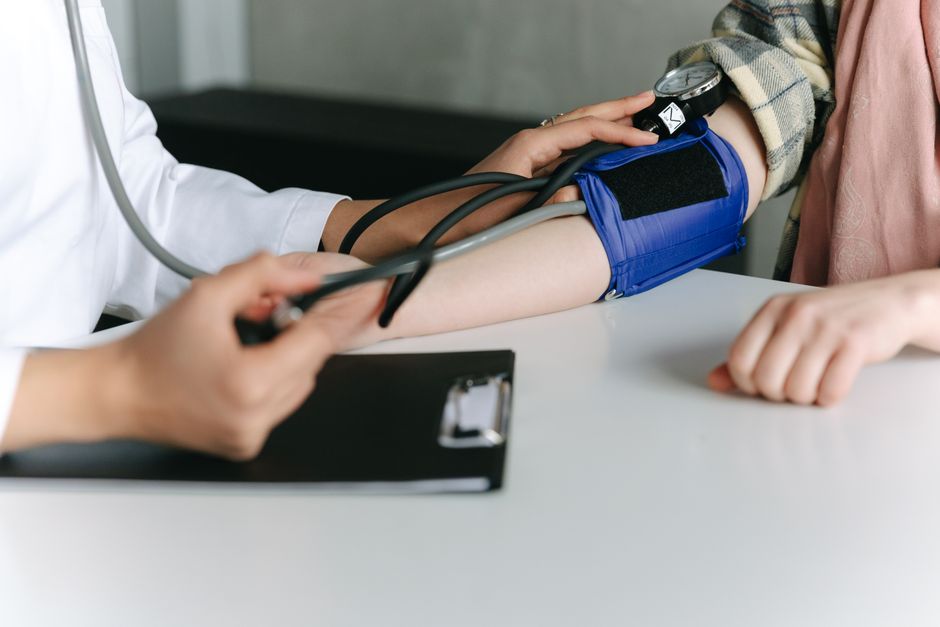
High blood pressure usually feels like nothing at all. Most people with hypertension have zero symptoms, even when their readings are dangerously high. This is why it is called the silent killer. You can have it for years without knowing. The first sign might be a heart attack, stroke, or kidney damage. That is the honest truth. No headache, no dizziness, no warning. Just nothing until something breaks.
How Does High Blood Pressure Feel Often Nothing?
It feels like an ordinary day. You get out of bed. You go to work. You feel fine. That is the problem. Hypertension does not cause symptoms in the vast majority of cases. The CDC reports that nearly half of U.S. adults have high blood pressure, and about one in three of them do not know they have it.
When people do feel something, it is usually after years of untreated high readings. Even then, the symptoms are vague. Some people report a dull morning headache at the back of the head. Others feel brief dizziness when standing up fast. But these are late signs. They mean blood pressure has been high for a long time. Most people with early or moderate hypertension feel nothing at all.
This is the core problem. Your body does not send a pain signal for high pressure inside your arteries. It is not like a pulled muscle or a toothache. By the time you feel anything, damage has already been done to your blood vessels, heart, and kidneys.
What Symptoms Are Commonly Mistaken for High Blood Pressure?
A lot of people think they can feel their blood pressure go up. They describe a hot face, a pounding heart, or a tense feeling in their neck. These sensations are real, but they are not caused by the pressure itself. They are caused by stress, anxiety, or adrenaline.
When you are angry or scared, your heart beats faster and your face may flush. That is your nervous system reacting, not your blood pressure. A person with perfectly normal readings can have these same feelings. A person with dangerously high readings can feel completely calm.
Research published in the American Heart Association journal Hypertension found that self-reported symptoms do not match actual blood pressure readings. People who thought their pressure was high were often wrong. People who felt fine were sometimes in the danger zone. Your feelings are not a reliable gauge.
This is why home monitors can be misleading if you only check when you feel stressed. You need consistent readings at different times of the day to know your true numbers.
What Are the Only Reliable Signs of Danger?
There is one exception to the rule that high blood pressure has no symptoms. It is called a hypertensive crisis. This is when your top number is 180 or higher, or your bottom number is 120 or higher. At this level, the pressure is so extreme that it can cause immediate damage to organs.
During a hypertensive crisis, some people do feel something. The most commonly reported symptoms include a severe headache unlike any you have had before, chest pain, shortness of breath, vision changes like blurring or seeing spots, and nosebleeds that are hard to stop.
But even at these extreme levels, not everyone feels anything. Some people walk around with readings of 200/110 and have no idea. That is the scary part. If you do have these symptoms, you need emergency care immediately. Do not wait. Do not take an aspirin and see if it passes. Go to the ER.
For everyone else, the only reliable way to know your blood pressure is to measure it with a validated cuff. The American College of Cardiology recommends checking it at different times of day, including morning before eating and evening before bed, and averaging the readings over a week.
| Blood Pressure Category | Systolic (top number) | Diastolic (bottom number) | Typical Sensation |
|---|---|---|---|
| Normal | Less than 120 | Less than 80 | Nothing |
| Elevated | 120-129 | Less than 80 | Nothing |
| Stage 1 Hypertension | 130-139 | 80-89 | Nothing |
| Stage 2 Hypertension | 140 or higher | 90 or higher | Usually nothing |
| Hypertensive Crisis | 180 or higher | 120 or higher | May feel severe headache, chest pain, shortness of breath |


Why Do Some People Claim They Can Feel Their Blood Pressure?
You will find plenty of online articles and social media posts claiming that high blood pressure causes specific feelings like a pulsing in the ears, a tight band around the head, or a warm sensation in the face. These claims are not backed by good evidence. They are based on individual stories, not controlled studies.
One reason people think they feel their blood pressure is because of a phenomenon called interoception. This is your ability to sense what is happening inside your body. Some people are very aware of their heartbeat or their breathing. When they check their blood pressure and see a high number, they may mentally link it to a feeling they already had. This is called confirmation bias. You notice the sensation because you are looking for it.
Another reason is that conditions like anxiety or panic attacks can mimic the physical sensations people associate with high blood pressure. A racing heart, sweating, and a feeling of doom are classic anxiety symptoms. If you check your blood pressure during a panic attack, it may be temporarily elevated from the stress. But the cause is anxiety, not chronic hypertension.
This distinction matters because people who believe they can feel their high blood pressure may avoid checking it regularly. They assume they would know if it were high. That assumption is dangerous and wrong.
What Does Research Show About Silent Organ Damage?
This is where the evidence gets serious. The Journal of the American Medical Association published a study showing that untreated high blood pressure causes measurable damage to organs long before any symptoms appear. The damage is silent. You do not feel your arteries stiffening. You do not feel your heart muscle thickening. You do not feel your kidneys slowly losing function.
The damage happens over years. High pressure pushes against artery walls. Over time, those walls become less flexible. Small tears form. The body patches them with scar tissue. This makes the arteries even stiffer, which raises pressure further. It is a vicious cycle with no pain signal.
In the brain, high blood pressure is linked to silent strokes. These are tiny blockages that cause no obvious symptoms at the moment. But over time, they accumulate. Research from the American Stroke Association found that people with hypertension have a much higher risk of cognitive decline and vascular dementia. Not because of one big stroke, but because of many tiny silent ones over decades.
In the kidneys, high pressure damages the tiny filters called nephrons. Once they die, they do not grow back. Kidney disease from hypertension is often advanced by the time it is discovered. The first sign might be swelling in the ankles or foamy urine. By then, significant function is already lost.
What Should You Actually Do If You Have No Symptoms?
If you have no symptoms, you should still get your blood pressure checked. This is not optional. The U.S. Preventive Services Task Force recommends screening for adults starting at age 18. If your numbers are normal, you can check once a year. If they are elevated, you need to check more often.
Do not rely on the cuff at the pharmacy or the one at the annual physical. Those are single readings and can be affected by nerves, caffeine, or having a full bladder. The gold standard is home monitoring with a validated upper-arm cuff. Take two readings in the morning and two in the evening for seven days. Average them. That gives you a much more accurate picture.
- Use a cuff that fits your arm. A too-small cuff gives falsely high readings.
- Sit quietly for five minutes before measuring. No talking, no phone.
- Keep your feet flat on the floor and your arm at heart level.
- Do not smoke, drink caffeine, or exercise within 30 minutes of checking.
- Record every reading. Do not discard the high ones or the low ones. Your doctor needs to see them all.
If your numbers are consistently above 130/80, talk to your doctor. Treatment can include lifestyle changes like reducing sodium, increasing potassium, losing weight, and getting regular exercise. For many people, medication is also needed. That is not a failure. It is a smart way to prevent the silent damage that happens when you feel nothing at all.
Frequently Asked Questions
Can you have high blood pressure and feel completely normal?
Yes. Most people with high blood pressure have no symptoms at all. This is why regular screening is essential.
Does a headache always mean high blood pressure?
No. Headaches are common and usually not related to blood pressure. Only a severe headache during a hypertensive crisis is a reliable sign.
Can anxiety cause high blood pressure readings?
Yes. Anxiety can temporarily raise blood pressure, but this is different from chronic hypertension. Consistent readings over time are what matter.
How often should I check my blood pressure at home?
If you have normal readings, once a week is enough. If you have elevated readings, check twice daily for a week and share the averages with your doctor.
