

Yes, depression can cause high blood pressure, and the connection is stronger than most people realize. Research shows that having depression raises your risk of developing hypertension by about 40 to 60 percent, depending on the study. This is not just a coincidence or a result of lifestyle habits alone. The way depression affects your nervous system, your hormones, and your daily behaviors all work together to push your blood pressure up over time.
What Is the Biological Link Between Depression and High Blood Pressure?
Depression changes how your brain and body handle stress. When you are depressed, your body stays in a mild state of alarm. Your sympathetic nervous system — the part that controls your fight-or-flight response — stays activated longer than it should.
This constant activation tells your adrenal glands to release more cortisol and adrenaline. These hormones make your heart beat faster and narrow your blood vessels. Over weeks and months, this raises your average blood pressure. The American Heart Association recognizes chronic stress and depression as contributing factors to hypertension for this reason.
Depression also affects how your body regulates inflammation. People with depression often have higher levels of inflammatory markers like C-reactive protein. Chronic inflammation damages the lining of your blood vessels, making them less flexible. Stiffer blood vessels mean higher blood pressure.
How Do Lifestyle Changes From Depression Affect Blood Pressure?
Depression changes daily habits in ways that directly harm blood pressure control. This is not about willpower — it is about how depression alters brain chemistry that drives motivation and reward-seeking behavior.
People with depression tend to sleep poorly or too much. Poor sleep quality is linked to higher nighttime blood pressure and less blood pressure dipping during sleep. Normal blood pressure drops by 10 to 20 percent during deep sleep. Depression often disrupts this pattern.
Physical activity drops significantly during depressive episodes. A 2021 study in the Journal of Affective Disorders found that people with depression take about 2,000 fewer steps per day than people without depression. Less movement means weaker cardiovascular fitness and higher resting blood pressure.
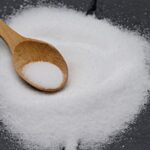
Diet also shifts. Cravings for high-sodium and high-sugar foods increase during depression. These foods raise blood pressure directly. Alcohol use also tends to increase. Even moderate regular drinking can raise systolic blood pressure by 4 to 5 points.
Can Depression Cause High Blood Pressure That Is Permanent?
This is where the evidence gets more complicated. Depression alone rarely causes permanently fixed high blood pressure overnight. But it can create a cycle that makes hypertension harder to reverse.
Studies published in the journal Hypertension show that people with untreated depression have a 50 percent higher risk of developing sustained hypertension over a 10-year period compared to people without depression. The risk is highest for people who have had multiple depressive episodes.
The good news is that treating depression often lowers blood pressure. A 2020 meta-analysis of 20 studies found that people who received effective depression treatment saw their systolic blood pressure drop by an average of 3 to 5 points. That is roughly the same effect as reducing daily sodium intake by 1,000 milligrams.
However, if high blood pressure has been present for years, it may not fully reverse with depression treatment alone. Long-standing hypertension causes structural changes in blood vessels that do not go away quickly. This is why early treatment of both conditions matters.



What Does the Research on Antidepressants and Blood Pressure Show?
Some antidepressants affect blood pressure directly. This is important to understand because people sometimes worry that treating depression will make their blood pressure worse. The reality is more specific.
| Antidepressant Class | Effect on Blood Pressure | What to Know |
|---|---|---|
| SSRIs (fluoxetine, sertraline, citalopram) | Minimal to none in most people | First-line choice for people with hypertension |
| SNRIs (venlafaxine, duloxetine) | Can raise blood pressure by 2-4 points | Dose-dependent effect — higher doses cause bigger increases |
| Tricyclics (amitriptyline, nortriptyline) | Can raise blood pressure and heart rate | Less commonly prescribed now due to side effects |
| MAOIs (phenelzine, tranylcypromine) | Can cause blood pressure spikes with certain foods | Rarely used, requires strict dietary restrictions |
The most important finding is that untreated depression raises blood pressure more than most antidepressants do. The benefit of treating depression almost always outweighs the small blood pressure risk from certain medications. Your doctor can choose an antidepressant that fits your specific health profile.
What Makes the Depression-Hypertension Cycle Hard to Break?
One of the frustrating realities is that depression and high blood pressure reinforce each other. High blood pressure itself can worsen depressive symptoms. This is not just feeling upset about a diagnosis — it is biological.
High blood pressure reduces blood flow to the brain over time. This can affect areas of the brain that regulate mood, including the prefrontal cortex and hippocampus. Reduced blood flow means less oxygen and fewer nutrients reaching these regions. Some studies suggest this contributes to treatment-resistant depression.
Another layer is that high blood pressure has no symptoms. People with depression may already feel disconnected from their body. They may not notice or report subtle signs like headaches or shortness of breath that could signal rising blood pressure. By the time hypertension is caught, it has often been present for years.
Medication adherence is also lower in people with depression. A study in the Journal of Clinical Hypertension found that people with depression are 30 percent less likely to take their blood pressure medication as prescribed. This is not carelessness — depression affects memory, motivation, and executive function.
What Practical Steps Can Help Manage Both Conditions?
Managing both depression and high blood pressure requires addressing them together. Treating only one often leaves the other unchecked. Here are approaches that research supports:
- Treat depression first or at the same time. Cognitive behavioral therapy and SSRI antidepressants both show benefit for blood pressure over the long term. A 2019 study in Psychosomatic Medicine found that CBT reduced systolic blood pressure by 4 to 6 points in people with depression.
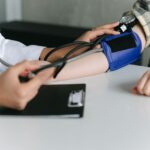
- Get your blood pressure checked at every depression follow-up. Many doctors focus on mood symptoms and skip the cuff. Ask for a reading. Home monitoring is even better — it gives you data about your real-world numbers.
- Prioritize sleep consistency over sleep duration. Going to bed and waking at the same time helps regulate both mood and blood pressure. Irregular sleep patterns confuse the body’s stress response system.
- Use movement as medicine but start small. Ten-minute walks are enough to lower blood pressure acutely for several hours. The goal is frequency, not intensity. Three short walks per day beat one long workout if you are struggling with motivation.
- Watch sodium intake more carefully during depressive episodes. Cravings are real, but sodium sensitivity increases when stress hormones are high. Even small reductions help. Aim to stay under 2,000 milligrams per day.
These steps are not a cure. They are strategies to interrupt the cycle. The body responds to small consistent changes better than dramatic overhauls.
Common Misconceptions About Depression and Blood Pressure
A few myths keep coming up in online health content. They are worth addressing directly because they can stop people from getting the right help.
Myth: Anxiety causes high blood pressure but depression does not. This is not true. Both conditions activate the stress response system. Depression actually keeps it activated longer because the body does not return to baseline as easily. Some research suggests depression has a stronger long-term effect on blood pressure than anxiety does.
Myth: If your blood pressure is normal at the doctor’s office, you are fine. Depression is linked to higher blood pressure variability. Your numbers may spike during stressful moments and drop during calm periods. Office readings can miss this. Ambulatory monitoring — wearing a cuff for 24 hours — gives a more accurate picture.
Myth: Treating depression will automatically fix your blood pressure. It helps, but it is not guaranteed. If hypertension has been present for years, structural changes in blood vessels may persist. You may still need medication. The goal is to prevent further damage, not to undo all of it.
Myth: Blood pressure medication causes depression. This is rare. Beta-blockers like propranolol have been linked to depressive symptoms in some people, but most blood pressure drugs do not cause depression. ACE inhibitors, ARBs, and calcium channel blockers have no known mood effects.
Frequently Asked Questions
Can depression cause high blood pressure even if I exercise and eat well?
Yes, because the biological effects of depression on your nervous system and hormones happen independently of lifestyle. Exercise and diet help but do not fully cancel out the stress hormone changes depression causes.
How long does it take for treated depression to lower blood pressure?
Most studies show blood pressure improvements within 8 to 12 weeks of effective depression treatment. The drop is usually modest — 3 to 5 points systolic — but meaningful over time.
Should I stop my antidepressant if it raises my blood pressure?
No, not without talking to your doctor. Untreated depression raises blood pressure more than most antidepressants do. Your doctor can adjust the dose or switch you to a different class.
Can high blood pressure cause depression symptoms?
Research suggests it can. Reduced blood flow to the brain from long-standing hypertension may affect mood-regulating areas. Treating high blood pressure sometimes improves depressive symptoms.
