

When you get your blood pressure checked, the reading shows two numbers. The top number is systolic pressure, which measures the force when your heart beats. The bottom number is diastolic pressure, and it measures the pressure in your arteries between heartbeats when your heart is resting and refilling with blood. This lower number matters because it tells doctors how well your blood vessels are relaxing and how much resistance your circulatory system has during that rest period.
For decades, doctors focused mainly on the top number. But research now shows the bottom number is a critical health marker on its own, especially for younger adults. A consistently high diastolic reading can signal that your arteries are stiff, inflamed, or narrowed. This increases your risk for heart disease, stroke, and kidney damage over time. Understanding what this number means helps you and your doctor catch problems earlier.
What Is a Normal Diastolic Blood Pressure Reading?
The American Heart Association defines normal diastolic blood pressure as less than 80 mm Hg. That is the bottom number in a reading like 120/80. If your diastolic number is between 80 and 89, that is considered stage 1 hypertension. A reading of 90 or higher is stage 2 hypertension.
One important detail many people miss is that diastolic pressure below 60 can also be a problem. This is called diastolic hypotension. It can cause dizziness, fainting, or even organ damage if blood flow to the heart or brain drops too low. This is more common in older adults or people on certain blood pressure medications.
Your diastolic number changes throughout the day. It is usually lower when you are resting or sleeping. It goes up temporarily when you exercise, feel stressed, or drink caffeine. Doctors look for consistently high readings over time, not just one high number at a single visit.
What Causes High Diastolic Blood Pressure?
Several factors can push your diastolic number up. The most common cause is the same as for high systolic pressure — the gradual stiffening and narrowing of your arteries. This happens naturally with age but speeds up with poor diet, lack of exercise, smoking, and high sodium intake.
Chronic stress is a major contributor. When you are stressed, your body releases hormones like cortisol and adrenaline. These make your heart beat faster and constrict your blood vessels. Over time, this keeps your diastolic pressure elevated even when you are calm.
Other causes include being overweight, especially around the abdomen, and having sleep apnea. Sleep apnea causes repeated drops in oxygen during the night, which forces your cardiovascular system to work harder. Some studies suggest that untreated sleep apnea is linked specifically to higher diastolic readings.
Certain medications can also raise diastolic pressure. Nonsteroidal anti-inflammatory drugs like ibuprofen, decongestants, and some antidepressants are known to increase blood pressure. If your diastolic number is creeping up, review your medications with your doctor.
Does High Diastolic Pressure Alone Require Treatment?
This is where the evidence gets interesting. For older adults, high systolic pressure is usually the bigger concern. The arteries stiffen with age, so systolic pressure tends to rise while diastolic pressure may even fall. In people over 60, a high diastolic reading is less common and less strongly linked to heart attacks than high systolic pressure.
But for younger adults, especially those under 50, isolated diastolic hypertension is a real warning sign. Research published in Hypertension, a journal of the American Heart Association, found that younger people with high diastolic pressure but normal systolic pressure had a significantly higher risk of heart disease later in life. The diastolic number predicted future cardiovascular events better than the systolic number in this age group.
Doctors generally recommend lifestyle changes first for isolated diastolic hypertension. If your diastolic number stays above 90 despite these changes, medication is usually prescribed. The goal is to bring it below 80. Lowering diastolic pressure reduces your risk of stroke, heart failure, and kidney disease.
One important clarification: Some people worry that lowering their diastolic too much with medication could be dangerous. This is a valid concern. If your diastolic drops below 60 and you feel dizzy or lightheaded, tell your doctor. They may adjust your dose or switch medications. The key is finding the right balance for your individual health.


What Lifestyle Changes Actually Lower Diastolic Pressure?
Multiple studies confirm that diet changes work. The DASH diet — Dietary Approaches to Stop Hypertension — is the most researched eating plan for blood pressure. It emphasizes fruits, vegetables, whole grains, lean protein, and low-fat dairy while cutting sodium, red meat, and added sugar. The National Institutes of Health found that following the DASH diet can lower systolic pressure by up to 11 mm Hg and diastolic by up to 6 mm Hg within two weeks.
Cutting sodium is especially effective for diastolic pressure. The average American consumes about 3,400 mg of sodium per day. The American Heart Association recommends no more than 2,300 mg, with an ideal limit of 1,500 mg for people with high blood pressure. Even reducing your intake by 1,000 mg per day can lower your diastolic number by 2 to 4 points.
Exercise is another proven method. Aerobic activity like brisk walking, cycling, or swimming for 30 minutes most days of the week lowers both systolic and diastolic pressure. Resistance training also helps, though the effect on diastolic is slightly smaller. The key is consistency. Blood pressure drops remain for about 24 hours after exercise, so daily movement matters more than occasional intense workouts.
Limiting alcohol to no more than one drink per day for women and two for men can lower diastolic by 2 to 4 points. Cutting back on caffeine helps some people, but not everyone. If you are sensitive to caffeine, switching to decaf or limiting coffee to the morning may help.
What Does The Lower Blood Pressure Number Mean for Your Health Risks?
Your diastolic number is more than just a measurement. It reflects the health of your small arteries and your overall vascular resistance. When diastolic pressure stays high, your heart has to work harder to push blood through your body. Over time, this can damage the inner lining of your arteries, making them more prone to plaque buildup.
High diastolic pressure is also linked to an increased risk of developing left ventricular hypertrophy. This is a thickening of the heart muscle that happens when the heart has to pump against high pressure for years. Left ventricular hypertrophy raises your risk of heart failure and abnormal heart rhythms.
Kidney damage is another serious concern. Your kidneys have tiny blood vessels that filter waste from your blood. High diastolic pressure can damage these vessels over time, leading to chronic kidney disease. The CDC reports that high blood pressure is the second leading cause of kidney failure in the United States.
Stroke risk increases with high diastolic pressure as well. One study in The Lancet found that for every 10 mm Hg increase in diastolic pressure, the risk of stroke went up by about 20 percent. This is true even when systolic pressure is well controlled.
| Diastolic Reading | Category | Health Risk Level |
|---|---|---|
| Less than 60 | Low (hypotension) | May cause dizziness or fainting; check with doctor |
| 60 to 79 | Normal | Low risk; maintain healthy habits |
| 80 to 89 | Stage 1 hypertension | Moderate risk; lifestyle changes recommended |
| 90 or higher | Stage 2 hypertension | High risk; medication likely needed |
Common Misconceptions About Diastolic Blood Pressure
A popular myth is that only the top number matters. Many people have heard their doctors say, “Your top number is good, so don’t worry about the bottom.” This is outdated advice. Research from the Framingham Heart Study showed that both numbers independently predict heart disease risk. Ignoring a high diastolic reading is a mistake.
Another misconception is that if your diastolic is normal, your blood pressure is fine regardless of the top number. This is also false. Isolated systolic hypertension — high top number with normal bottom number — is common in older adults and carries serious risks. Both numbers must be in a healthy range.
Some people believe that measuring blood pressure at home is not reliable. This is not true. Home monitoring is recommended by the American Heart Association for anyone diagnosed with high blood pressure. Home readings can actually be more accurate than office readings because they avoid the “white coat effect” — the temporary rise in blood pressure caused by being in a medical setting. Just make sure you use a validated monitor with a properly sized cuff.
When Should You See a Doctor About Your Diastolic Number?
If you take your blood pressure at home and consistently get diastolic readings of 80 or higher, schedule an appointment with your doctor. One high reading is not a diagnosis, but several over a week or two suggest a pattern that needs attention.
If your diastolic reading is 90 or higher on multiple occasions, do not wait for your next annual checkup. Call your doctor. They may want to start medication or order tests to check for underlying causes like kidney disease or thyroid problems.
If your diastolic pressure drops below 60 and you feel dizzy, lightheaded, or faint, tell your doctor. This can be a side effect of medication or a sign of dehydration, heart valve problems, or other conditions. Do not stop taking your blood pressure medication on your own. That can cause dangerous spikes in pressure.
Pregnant women should pay close attention to their diastolic number. A reading of 90 or higher during pregnancy can be a sign of preeclampsia, a serious condition that requires immediate medical care. If you are pregnant and your diastolic pressure is high, contact your obstetrician right away.
Practical Steps to Track Your Diastolic Pressure
Buy a home blood pressure monitor that has been validated for accuracy. The American Medical Association maintains a list of validated devices. Choose one with an upper arm cuff — wrist and finger monitors are less reliable.
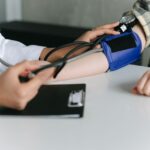
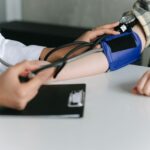
Measure at the same time each day. Morning before eating or taking medication is best. Sit quietly for five minutes before taking a reading. Keep your feet flat on the floor and your arm supported at heart level. Take two or three readings one minute apart and record the average.
Keep a log of your readings. Show it to your doctor at each visit. This helps them see patterns and adjust your treatment plan if needed. Many smartphone apps make this easy, but a simple notebook works just as well.
- Take readings at the same time each day for consistency
- Sit still for five minutes before measuring
- Do not talk during the measurement
- Use the correct cuff size — too small or too large gives false readings
- Bring your monitor to your doctor’s office once a year to compare readings
Your diastolic number is not the whole story, but it is a critical part of it. Understanding what it means helps you take control of your heart health. If your number is high, talk to your doctor. If it is normal, keep doing what you are doing. Either way, you now know what that lower number is really telling you.
Frequently Asked Questions
What is a dangerous diastolic blood pressure number?
A diastolic reading of 90 or higher is considered stage 2 hypertension and requires medical attention. A diastolic reading below 60 can also be dangerous if it causes symptoms like dizziness or fainting.
Can diastolic blood pressure be high while systolic is normal?
Yes, this is called isolated diastolic hypertension and is most common in younger adults under 50. It still increases your long-term risk for heart disease and stroke.
Does drinking water lower diastolic blood pressure?
Drinking water helps maintain normal blood volume but does not directly lower high diastolic pressure. Dehydration can actually raise blood pressure, so staying hydrated is important.
How quickly can lifestyle changes lower diastolic pressure?
Dietary changes like the DASH diet can lower diastolic pressure by 4 to 6 mm Hg within two weeks. Regular exercise shows similar improvements within four to six weeks of consistent effort.
