
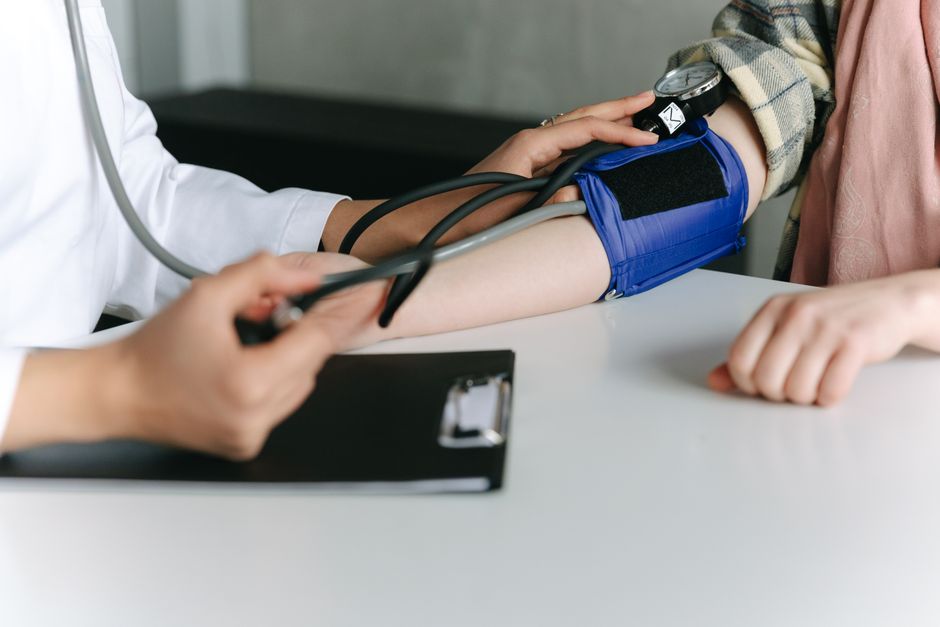
Lowering your blood pressure naturally starts with two things: cutting back on sodium and moving your body more. Research shows that reducing salt intake to under 2,300 milligrams per day can lower systolic blood pressure by 5 to 6 mmHg in many people. Regular aerobic exercise, like brisk walking for 30 minutes most days, can drop it another 5 to 8 mmHg. These changes work because they help your blood vessels relax and your heart pump with less effort. For most people, combining diet changes, physical activity, and weight management is the most effective natural approach.
How Does Sodium Intake Affect Blood Pressure?
Sodium makes your body hold onto extra water. This increases the total amount of fluid in your blood vessels, which raises pressure against your artery walls. The American Heart Association recommends no more than 2,300 milligrams of sodium per day — about one teaspoon of salt. Most Americans eat closer to 3,400 milligrams daily.
Your kidneys are the main regulators of sodium balance. When you eat too much salt, your kidneys cannot remove all the extra sodium efficiently. Over time, this causes your blood vessels to stiffen. The DASH diet, which stands for Dietary Approaches to Stop Hypertension, focuses on low-sodium foods like vegetables, fruits, and whole grains. Studies published in the New England Journal of Medicine found that the DASH diet lowered systolic blood pressure by 11.4 mmHg in people with hypertension.
Not everyone is equally sensitive to salt. Some people see a large drop in blood pressure when they cut sodium. Others see a modest change. But the evidence is clear that reducing sodium helps most people at least somewhat.
What Types of Exercise Lower Blood Pressure Most?
Aerobic exercise has the strongest evidence. Walking, jogging, cycling, and swimming all work because they make your heart beat faster and your blood vessels expand. The American College of Sports Medicine recommends 150 minutes of moderate-intensity aerobic activity per week. That is about 30 minutes, five days a week.
Isometric exercises also show promise. A 2021 meta-analysis in the British Journal of Sports Medicine found that wall sits and handgrip exercises lowered blood pressure by about 10 mmHg systolic and 6 mmHg diastolic. These exercises involve holding a muscle contraction without moving the joint. Wall sits specifically had the largest effect of any exercise type in that study.
Resistance training, like lifting weights, helps too but the effect is smaller. The key is consistency. Sporadic exercise does not produce lasting changes. Your blood pressure drops during and immediately after exercise, but the sustained benefit comes from regular activity over weeks and months.
How To Help Lower Your Blood Pressure Naturally With Diet Changes
The DASH diet is the most researched eating pattern for blood pressure. It emphasizes potassium-rich foods like bananas, spinach, sweet potatoes, and beans. Potassium helps counteract sodium by relaxing blood vessel walls and helping your kidneys excrete more salt. The average adult needs about 4,700 milligrams of potassium per day, but most people get only half that.
Magnesium and calcium also matter. Foods like almonds, avocados, and dark leafy greens provide magnesium. Low-fat dairy products are a good source of calcium. A 2017 study in the journal Hypertension found that people who followed the DASH diet and also reduced sodium to 1,500 milligrams per day saw the largest blood pressure reductions — up to 12 mmHg systolic.
One thing to watch: potassium supplements can be dangerous if you have kidney problems or take certain blood pressure medications. Get potassium from food instead of pills unless your doctor advises otherwise.
| Dietary Change | Typical Systolic Reduction | Time to See Effect |
|---|---|---|
| Reduce sodium to under 2,300 mg/day | 5-6 mmHg | 2-4 weeks |
| DASH diet with low sodium | 8-12 mmHg | 4-8 weeks |
| Increase potassium-rich foods | 3-5 mmHg | 2-4 weeks |
| Limit alcohol to 1-2 drinks per day | 3-4 mmHg | 1-2 weeks |
Does Stress Reduction Actually Lower Blood Pressure?
Stress causes temporary spikes in blood pressure. When you are stressed, your body releases hormones like cortisol and adrenaline that make your heart beat faster and narrow your blood vessels. This raises blood pressure in the moment. But the evidence linking chronic stress to sustained hypertension is weaker than many articles claim.
Some studies suggest that mindfulness meditation and slow deep breathing can lower blood pressure by 5 to 10 mmHg. A 2019 review in the Journal of Hypertension found that breathing exercises at six breaths per minute — called resonance breathing — improved baroreflex sensitivity and reduced blood pressure in people with hypertension. The effect was modest but real.
Yoga and tai chi combine movement with breath control. Research published in the journal Frontiers in Psychiatry found that regular yoga practice lowered systolic blood pressure by about 7 mmHg in people with prehypertension. The challenge is that most stress reduction studies are small and short-term. It is hard to know if the benefits last for years.
What is clear: stress reduction alone will not fix high blood pressure if your diet and activity levels are poor. It works best as part of a broader plan.
What About Supplements and Natural Remedies?
This is where many online articles go wrong. The supplement industry is poorly regulated, and most products do not have strong evidence behind them. However, a few have some research support.
- Potassium supplements: Can lower blood pressure, but only if you are deficient. Excess potassium is dangerous. Get it from food instead.
- Magnesium supplements: A 2016 meta-analysis in the journal Hypertension found a small reduction of about 2-3 mmHg systolic. Not dramatic, but real for people with low magnesium levels.
- Coenzyme Q10 (CoQ10): Some studies show a modest effect, but the evidence is inconsistent. The American Heart Association does not recommend it.
- Garlic extract: A 2015 review in the Journal of Clinical Hypertension found that aged garlic extract lowered blood pressure by about 8 mmHg systolic in people with hypertension. The effect was similar to some prescription medications, but the studies were small.
- Beetroot juice: Contains nitrates that convert to nitric oxide in the body, which relaxes blood vessels. A 2017 study in the journal Nitric Oxide found that drinking 250 mL of beetroot juice lowered systolic blood pressure by 7-8 mmHg within a few hours. The effect is temporary and not a long-term solution.
As of 2026, there is no clinical evidence that hibiscus tea, celery seed extract, or apple cider vinegar reliably lower blood pressure in most people. These are widely claimed online, but strong evidence is limited. Some people report benefits, but placebo effects are powerful in this area.
How Much Weight Loss Is Needed to Lower Blood Pressure?
Weight loss is one of the most effective natural interventions. Every kilogram of weight lost — about 2.2 pounds — reduces systolic blood pressure by roughly 1 mmHg. Losing 5 to 10 percent of your body weight can lower blood pressure by 10 to 15 mmHg systolic in people who are overweight.
Belly fat matters more than overall weight. Visceral fat, the fat stored around your organs, releases inflammatory chemicals that constrict blood vessels. A waist circumference above 40 inches for men or 35 inches for women is linked to higher blood pressure risk. The CDC reports that people who lose weight and keep it off see sustained blood pressure improvements.
Crash diets do not work. Rapid weight loss often leads to muscle loss and gallstones, and the blood pressure drop is not sustained. Slow, steady weight loss of 1 to 2 pounds per week produces lasting changes. The combination of calorie reduction and increased physical activity is more effective than either alone.
Does Alcohol and Caffeine Raise Blood Pressure?
Alcohol has a clear dose-response relationship with blood pressure. The American Heart Association says that drinking more than three drinks per day consistently raises blood pressure. Cutting back to one drink per day for women and two for men can lower systolic blood pressure by 3 to 4 mmHg. Binge drinking — four or more drinks in two hours — causes dangerous spikes.
Caffeine is more complicated. In people who do not consume it regularly, caffeine can raise blood pressure by 10 to 15 mmHg within 30 minutes. But regular coffee drinkers develop tolerance. A 2017 meta-analysis in the American Journal of Clinical Nutrition found no link between long-term coffee consumption and increased hypertension risk. If you drink coffee daily, your body adapts. If you are sensitive, switching to decaf or limiting to one cup in the morning may help.
Energy drinks are a different story. They often contain high levels of both caffeine and sugar, and some studies link them to significant blood pressure increases even in young, healthy adults.
Frequently Asked Questions
Can I lower blood pressure in one week naturally?
You can see a drop of 5 to 10 mmHg within one week by cutting sodium, increasing potassium, and starting daily walking. These changes reduce fluid retention and improve blood vessel flexibility quickly.
How much does walking lower blood pressure?
Walking for 30 minutes most days lowers systolic blood pressure by 5 to 8 mmHg on average. The effect increases with consistency over several weeks.
Is apple cider vinegar good for high blood pressure?
There is no strong clinical evidence that apple cider vinegar lowers blood pressure in humans. Claims are based on small animal studies and anecdotal reports only.
Can I stop blood pressure medication if I make lifestyle changes?
Never stop medication without your doctor’s supervision. Lifestyle changes can reduce your dose over time, but stopping suddenly can cause dangerous blood pressure spikes.
