
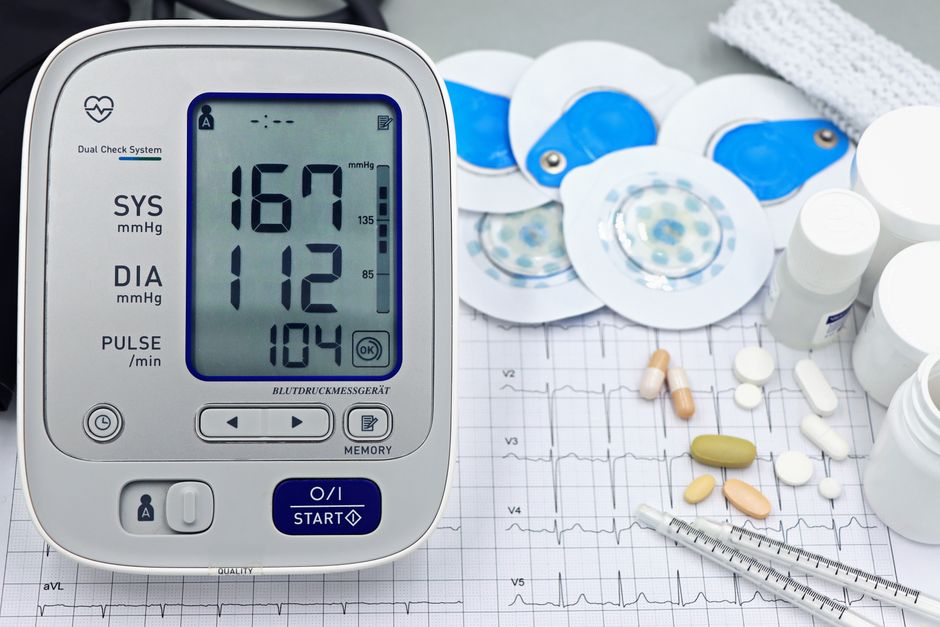
Your blood pressure reading has two numbers. The top number is systolic pressure — the force when your heart beats. The bottom number is diastolic pressure — the force when your heart rests between beats. High diastolic blood pressure means that bottom number stays elevated. A normal diastolic reading is below 80. When it consistently measures 90 or higher, doctors call it isolated diastolic hypertension. This matters because high diastolic pressure puts stress on your arteries even when your heart is at rest. Over time, that stress damages blood vessels and increases your risk for heart disease and stroke.
What Does High Diastolic Blood Pressure Mean for Your Health?
High diastolic blood pressure means your arteries are under constant pressure, even during the relaxation phase of your heartbeat. Think of it like a garden hose that never gets a break from the water pressure. Eventually, the hose weakens. Your arteries respond the same way. They become stiffer and less flexible. This makes it harder for blood to flow freely.
Research published in the Journal of the American College of Cardiology found that elevated diastolic pressure is linked to a higher risk of heart attacks and strokes, especially in younger adults under 50. The Framingham Heart Study, one of the longest-running heart studies in the world, also showed that diastolic pressure matters most before age 60. After that, systolic pressure tends to become the bigger concern.
High diastolic pressure is not always a standalone condition. Many people with high diastolic readings also have high systolic pressure. But when only the bottom number is high, doctors pay attention. It can signal that your blood vessels are not relaxing properly between heartbeats. That is a sign of increased vascular resistance.
What Causes High Diastolic Blood Pressure?
Several factors can raise your diastolic pressure. The most common cause is the same as for high blood pressure in general: lifestyle. A diet high in sodium is a major driver. The American Heart Association reports that most Americans consume about 3,400 mg of sodium daily, far above the recommended limit of 2,300 mg. Excess sodium makes your body hold onto water, which increases blood volume and pressure.
Lack of physical activity also plays a role. When you do not move enough, your blood vessels become less elastic. This makes it harder for them to expand and contract with each heartbeat. Being overweight or obese adds extra strain because your heart has to pump blood through more tissue.
Stress is another contributor. Chronic stress keeps your body in a state of high alert. Your heart beats faster, and your blood vessels constrict. Over time, this can push diastolic pressure up. Some people also have a genetic predisposition. If your parents had high blood pressure, your risk is higher.
Certain medical conditions can cause isolated diastolic hypertension. These include thyroid disorders, kidney disease, and sleep apnea. Medications like NSAIDs, decongestants, and some antidepressants can also raise diastolic pressure. If your diastolic number is high and you take any of these, talk to your doctor about alternatives.
How Is High Diastolic Blood Pressure Diagnosed?
A single high reading does not mean you have high diastolic blood pressure. Blood pressure fluctuates throughout the day. It rises with activity, stress, and even talking. Diagnosis requires multiple elevated readings over time. Doctors typically take two or three readings at different visits before making a diagnosis.
The standard threshold for high diastolic pressure is 90 mm Hg or higher. Some guidelines use 80 mm Hg as the cutoff for elevated pressure. But isolated diastolic hypertension is generally diagnosed at 90 and above. If your diastolic is between 80 and 89, your doctor may call it prehypertension and recommend lifestyle changes.
Home monitoring can help confirm the diagnosis. The CDC recommends using a validated home blood pressure monitor. Take readings at the same time each day, usually morning and evening. Sit quietly for five minutes before measuring. Keep your arm at heart level. Record your numbers and share them with your doctor.
Ambulatory blood pressure monitoring is another option. You wear a device that takes readings every 30 minutes over 24 hours. This gives a more accurate picture because it captures your pressure during normal activities and sleep. It also rules out white coat hypertension, where your pressure spikes only at the doctor’s office.




What Lifestyle Changes Actually Lower Diastolic Blood Pressure?
Lifestyle changes are the first line of treatment for high diastolic pressure. They work, but they require consistency. The DASH diet, which stands for Dietary Approaches to Stop Hypertension, is one of the most studied interventions. Research shows it can lower blood pressure in as little as two weeks.
The DASH diet emphasizes fruits, vegetables, whole grains, and low-fat dairy. It limits red meat, sugar, and saturated fat. It also naturally reduces sodium. A key feature is increasing potassium intake. Potassium helps your body excrete sodium and relaxes blood vessel walls. Good sources include bananas, potatoes, spinach, and beans.
Exercise is equally important. The American College of Cardiology recommends at least 150 minutes of moderate aerobic activity per week. That could be brisk walking, cycling, or swimming. Even 10-minute sessions throughout the day add up. Strength training twice a week also helps by improving overall cardiovascular fitness.
Weight loss has a direct effect on diastolic pressure. A study in the journal Hypertension found that losing just 5 to 10 percent of body weight lowered diastolic pressure by an average of 3 to 5 mm Hg. That may not sound like much, but it is clinically meaningful. Every 2 mm Hg reduction in diastolic pressure lowers stroke risk by about 10 percent.
Limiting alcohol is another proven step. The CDC defines moderate drinking as one drink per day for women and two for men. Exceeding that raises blood pressure. Cutting back can bring diastolic numbers down. Quitting smoking also helps because nicotine constricts blood vessels and raises pressure.
| Lifestyle Change | Typical Diastolic Reduction | Time to See Effect |
|---|---|---|
| DASH diet | 3-6 mm Hg | 2-4 weeks |
| Aerobic exercise (150 min/week) | 2-5 mm Hg | 4-8 weeks |
| Weight loss (5-10% body weight) | 3-5 mm Hg | 8-12 weeks |
| Sodium reduction (under 2,300 mg/day) | 2-4 mm Hg | 1-4 weeks |
| Alcohol reduction | 2-4 mm Hg | 2-4 weeks |
When Do Doctors Prescribe Medication for High Diastolic Pressure?
Medication is not always the first step. If your diastolic pressure is between 90 and 99 and you have no other health conditions, your doctor may recommend lifestyle changes first. You might get a three to six month trial period. If your numbers do not come down, medication is usually added.
If your diastolic pressure is 100 or higher, medication is typically started right away. The same is true if you have other risk factors like diabetes, kidney disease, or a history of heart disease. The goal is to prevent damage before it happens.
Several classes of drugs lower diastolic pressure. Diuretics help your kidneys remove excess sodium and water. ACE inhibitors and ARBs relax blood vessels by blocking certain hormones. Calcium channel blockers prevent calcium from entering heart and blood vessel cells, which relaxes the vessels. Beta-blockers slow the heart rate and reduce the force of contractions.
Your doctor will choose based on your age, other health conditions, and side effect profile. Most people need more than one medication to reach their target. The standard goal is a diastolic pressure below 90, or below 80 for people with diabetes or kidney disease. Some guidelines now recommend even lower targets, but that is debated. The key is to work with your doctor to find the right balance.
Common Misconceptions About High Diastolic Blood Pressure
A widespread myth is that only systolic pressure matters. That is not true, especially for younger adults. Isolated diastolic hypertension is a real condition with real risks. Ignoring it because the top number is normal is a mistake. Both numbers provide important information about your cardiovascular health.
Another misconception is that high diastolic pressure always causes symptoms. Most people feel nothing at all. That is why high blood pressure is called the silent killer. You cannot rely on how you feel. You have to measure it. The only way to know if your diastolic pressure is high is to check it with a reliable monitor.
Some people believe that lowering sodium completely is the only dietary change that matters. While sodium reduction is important, increasing potassium may be just as effective. The DASH diet works because it does both. Focusing only on salt and ignoring the rest of your diet misses the bigger picture.
There is also a belief that home monitors are not accurate. That is not true if you use a validated device and follow proper technique. The American Medical Association maintains a list of clinically validated monitors. Using one correctly gives readings that are just as reliable as those taken in a doctor’s office.
What to Avoid When Managing High Diastolic Pressure
Avoid relying on supplements that claim to lower blood pressure. As of 2026, there is no clinical evidence that any over-the-counter supplement can consistently lower diastolic pressure to a meaningful degree. Some people report benefits from garlic extract or coenzyme Q10, but strong evidence is limited. Do not replace proven lifestyle changes or medications with unproven products.
Avoid skipping doses of prescribed medication. If you feel fine, it is tempting to think you no longer need the drug. But blood pressure medications manage a condition, they do not cure it. Stopping them without medical guidance can cause your pressure to spike dangerously. That is called rebound hypertension, and it can be serious.
Avoid consuming high-sodium foods in secret. Many people reduce salt at the table but still eat processed foods loaded with sodium. Canned soups, frozen dinners, deli meats, and restaurant meals are common culprits. Read labels. The sodium content in one restaurant meal can exceed your entire daily limit.
Avoid ignoring your mental health. Chronic stress, anxiety, and depression all raise blood pressure. They also make it harder to stick with healthy habits. Addressing these issues through therapy, meditation, or even regular social connection can have a real impact on your numbers. It is not just about diet and exercise.
Frequently Asked Questions
What is a dangerous diastolic blood pressure number?
A diastolic reading consistently at 90 or higher is considered high and requires medical attention. Readings above 110 are a hypertensive crisis and need immediate care.
Can high diastolic blood pressure be reversed?
Yes, many people lower their diastolic pressure through lifestyle changes like diet, exercise, and weight loss. Some may still need medication if lifestyle changes are not enough.
Is high diastolic blood pressure more serious than high systolic?
Both are serious, but diastolic pressure is especially important for people under 50. After age 60, systolic pressure becomes the stronger predictor of heart risk.
How quickly can lifestyle changes lower diastolic pressure?
Some people see improvement in two to four weeks with strict dietary changes like the DASH diet. Exercise and weight loss take longer, usually four to twelve weeks.
