
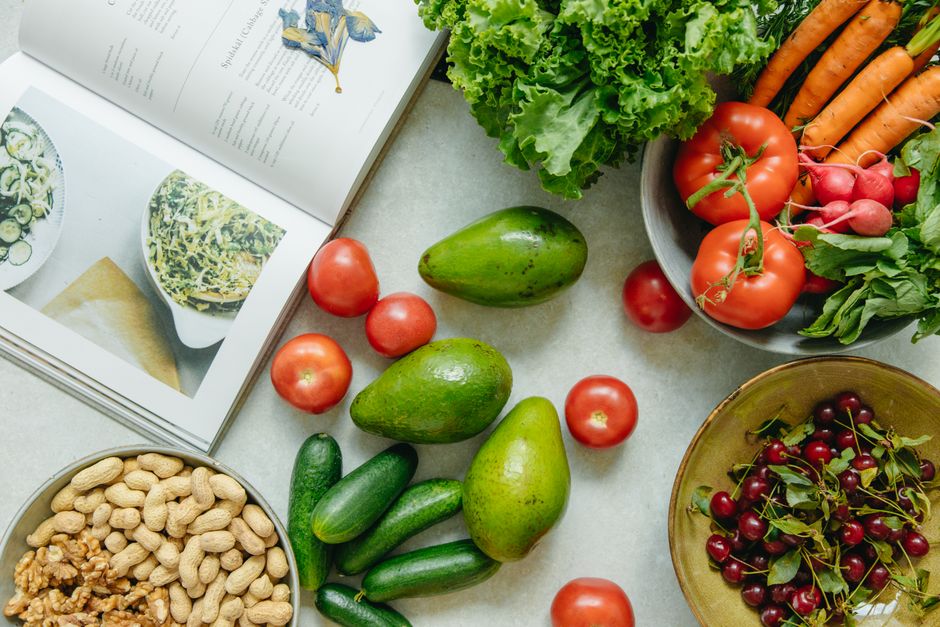
Avocados are a popular food, but can they actually lower your blood pressure? The short answer is that the evidence is promising, though it is not a magic cure. Research suggests that the nutrients in avocados, particularly potassium and magnesium, can support healthy blood pressure levels as part of an overall balanced diet. However, no single food can replace medication or a comprehensive heart-healthy lifestyle.
What Is the Link Between Avocados and Blood Pressure?
The connection between avocados and blood pressure comes down to their nutrient profile. Avocados are rich in potassium, magnesium, and fiber, along with heart-healthy monounsaturated fats. These nutrients work together in ways that may help regulate blood pressure.
Potassium is the standout mineral here. Your body uses potassium to balance sodium levels. When you eat more potassium, your kidneys excrete more sodium through urine. That process helps relax blood vessel walls and can ease pressure inside them. This is well-established physiology, not a marketing claim.
Magnesium also plays a role in blood pressure regulation. It helps blood vessels relax and is involved in many processes that keep the cardiovascular system running smoothly. Some research suggests that people with higher magnesium intake tend to have lower blood pressure, though the effect is modest.
The monounsaturated fats in avocados are not directly linked to blood pressure. Those fats are more strongly associated with improving cholesterol levels. But better cholesterol profiles reduce your overall cardiovascular risk, which matters for long-term heart health.
What Does the Research Actually Show?
Clinical studies on avocados and blood pressure specifically are limited. Most of what we know comes from larger dietary pattern studies and research on individual nutrients.
Some studies indicate that eating avocados regularly is associated with better overall diet quality and lower cardiovascular risk factors. Research published in the Journal of the American Heart Association found that avocado consumption was linked to a lower risk of cardiovascular disease in a large group of US adults. That study did not isolate blood pressure as a primary outcome, but it supports the idea that avocados fit into a heart-healthy diet.
Other research has looked at the Dietary Approaches to Stop Hypertension (DASH) diet, which is rich in potassium, magnesium, and fiber. The DASH diet consistently lowers blood pressure in clinical trials. Avocados fit neatly into this eating pattern, but they are not the sole reason the diet works.
One key limitation: most avocado studies rely on self-reported food intake. People who eat avocados may also exercise more, smoke less, or eat fewer processed foods. Those factors can confound the results. The evidence is suggestive but not definitive.
How Much Potassium Is in an Avocado?
A medium avocado contains roughly 700 milligrams of potassium. That is about 15 percent of the daily recommended intake of 4,700 milligrams for most adults. For comparison, a medium banana has about 422 milligrams.
That potassium content is meaningful, but it does not mean eating one avocado daily will dramatically change your blood pressure. Blood pressure responds to overall dietary patterns, not single foods. If your diet is high in sodium and low in other fruits and vegetables, one avocado will not offset that imbalance.
Replacing high-sodium snacks with avocado is a more realistic strategy. Instead of reaching for chips or processed crackers, using avocado on whole-grain toast or as a dip with vegetables reduces your sodium intake while adding potassium and fiber. That combination is where the real benefit lies.





What About Avocado and Blood Pressure Medication?
Avocados are high in potassium, and potassium interacts with certain blood pressure medications. If you take an ACE inhibitor, an angiotensin receptor blocker (ARB), or a potassium-sparing diuretic, your potassium levels can rise too high. This condition is called hyperkalemia and can be dangerous.
Normal blood potassium levels are between 3.5 and 5.0 millimoles per liter. Above that range, you may experience muscle weakness, fatigue, or heart rhythm problems. Severe hyperkalemia is a medical emergency.
If you take one of these medications, you do not need to avoid avocados entirely. But you should be consistent about how much you eat and tell your doctor about your regular intake. A blood test can check your potassium levels, and your doctor can advise you on safe amounts.
People with chronic kidney disease also need to be cautious. Damaged kidneys cannot excrete potassium efficiently, so high-potassium foods like avocados can cause problems. Again, this does not mean you must avoid avocados, but you should discuss your diet with your healthcare provider.
How Should You Eat Avocados for Blood Pressure?
No specific serving size has been proven to lower blood pressure. The evidence supports including avocados as part of an overall healthy diet, not as a targeted treatment.
A reasonable approach is to use avocado as a substitute for less healthy fats. Spread it on toast instead of butter. Use it as a creamy base in dressings instead of mayonnaise. Add slices to salads or sandwiches for texture and nutrition.
Be mindful of portion size. One serving is about one-third to one-half of a medium avocado. Avocados are calorie-dense, with roughly 240 calories per whole fruit. Eating them in large amounts can contribute to weight gain, and excess weight is a risk factor for high blood pressure.
Pairing avocados with other potassium-rich foods amplifies the benefit. Leafy greens, beans, sweet potatoes, and yogurt all provide potassium. A diet that includes a variety of these foods is more effective than relying on any single item.
What Else Matters for Blood Pressure?
Avocados are not a substitute for proven blood pressure management strategies. The most impactful lifestyle changes are well established and supported by decades of research.
Reducing sodium intake is the single most effective dietary change for many people with high blood pressure. The typical American diet contains far more sodium than the recommended limit of 2,300 milligrams per day. Most of that sodium comes from processed and restaurant foods, not the salt shaker.
Regular physical activity also lowers blood pressure. The effect is comparable to some medications. Aim for at least 150 minutes of moderate aerobic exercise per week, such as brisk walking or cycling.
Limiting alcohol, maintaining a healthy weight, and managing stress all contribute to blood pressure control. If you smoke, quitting is one of the most important steps you can take for your heart health.
For many people, lifestyle changes alone are not enough. Blood pressure medications are safe and effective when prescribed by a doctor. Do not stop or adjust your medication without medical guidance, even if your diet improves.
Do Avocados Lower Blood Pressure What Science Says
Science says avocados can be part of a blood pressure-lowering diet, but they are not a standalone treatment. The potassium, magnesium, and fiber in avocados support the same mechanisms that the DASH diet uses to reduce blood pressure. The evidence for avocados specifically is less robust than the evidence for overall dietary patterns.
If you enjoy avocados, include them regularly. They are a nutritious food with genuine cardiovascular benefits. But measure your expectations. A single food will not fix high blood pressure. The combination of reduced sodium, increased potassium, physical activity, and medication when needed is what moves the numbers.
Frequently Asked Questions
Can eating avocados replace my blood pressure medication?
No. Avocados are a food, not a medication, and no evidence supports using them as a substitute for prescribed blood pressure drugs. Always take your medication as directed and discuss any dietary changes with your doctor.
How many avocados should I eat per day for blood pressure?
No clinical guidelines specify a daily avocado amount for blood pressure. A reasonable serving is one-third to one-half of a medium avocado, eaten as part of a balanced diet that is low in sodium and rich in other fruits and vegetables.
Are avocados safe if I take blood pressure medication?
They are safe for most people, but certain blood pressure medications can raise potassium levels, and avocados are high in potassium. If you take an ACE inhibitor, ARB, or potassium-sparing diuretic, talk to your doctor about how much avocado is safe for you.
Do avocados lower blood pressure faster than bananas?
No direct comparison studies exist. Both foods are good sources of potassium, but blood pressure responds to your entire diet, not individual foods. Focus on overall eating patterns rather than comparing single items.
