
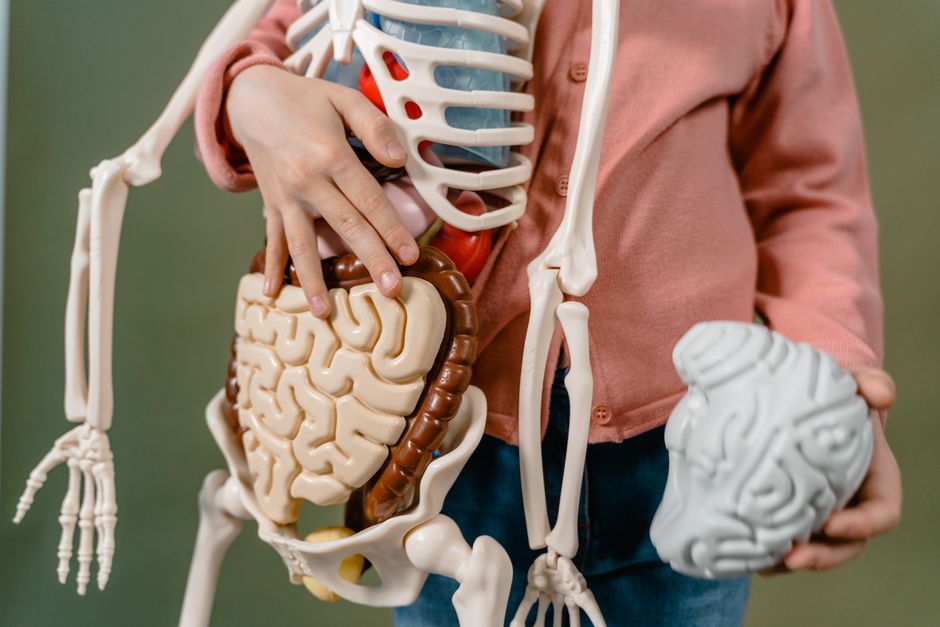
The human digestive system is your body’s food processor. It breaks down everything you eat and drink into tiny nutrients your body can actually use for energy, growth, and cell repair. Think of it as a long, twisting tube that starts at your mouth and ends at your rectum, with several organs along the way doing specific jobs. Without it, a piece of toast would just sit in your stomach, useless.
Most people think digestion is just about the stomach. That is only part of the story. Your digestive system is a coordinated team of organs working in sequence. It takes food in, breaks it down mechanically and chemically, absorbs the good stuff into your bloodstream, and pushes the waste out. This process runs automatically every single day, and when something goes wrong, you feel it fast.
What Happens in the Mouth and Esophagus?
Digestion starts the second you take a bite. Your teeth tear and grind food into smaller pieces. This is mechanical digestion. At the same time, your saliva glands release enzymes, mainly amylase, which starts breaking down starches into sugars. This is chemical digestion. Chewing thoroughly is not just a suggestion from your grandmother. It gives enzymes more surface area to work on, which takes pressure off your stomach later.
Once you swallow, food moves into your esophagus. This tube does not just let food fall down by gravity. It uses rhythmic muscle contractions called peristalsis to push food toward your stomach. Even if you were hanging upside down, food would still reach your stomach. The lower end of the esophagus has a valve called the lower esophageal sphincter. It opens to let food in and closes to keep stomach acid where it belongs. When that valve weakens, acid splashes up, and you feel heartburn.
What Does the Stomach Actually Do?
Your stomach is not a passive storage bag. It is a muscular mixing chamber. It churns food with strong contractions while releasing gastric juices. Those juices contain hydrochloric acid and an enzyme called pepsin. The acid kills most bacteria in your food and dissolves tough connective tissue in meat. Pepsin starts breaking proteins into smaller chains called peptides.
The stomach also controls how fast food enters the small intestine. It releases small amounts of partially digested food, now called chyme, at a steady pace. This prevents the small intestine from being overwhelmed. People who have had parts of their stomach removed often struggle with dumping syndrome, where food moves too fast into the intestine and causes nausea and diarrhea. That shows how important this pacing function really is.
Contrary to popular belief, most nutrient absorption does not happen in the stomach. Only a few things like some drugs and alcohol are absorbed here. The stomach’s main job is preparation. It turns a solid meal into a liquid slurry that the small intestine can handle. As of 2026, current research continues to explore how the stomach microbiome, a smaller population of bacteria compared to the colon, influences digestion and immune function.
What Role Does the Small Intestine Play?
The small intestine is where the real action happens. Despite being called small, it is about 20 feet long. It has three parts: the duodenum, jejunum, and ileum. This is where 90 percent of nutrient absorption occurs. The lining of the small intestine is covered with tiny finger-like projections called villi. Each villus is covered with even smaller microvilli. This design creates a massive surface area, roughly the size of a tennis court, for absorbing nutrients.
The duodenum receives chyme from the stomach along with digestive juices from the pancreas and bile from the liver. The pancreas releases enzymes that break down fats, proteins, and carbohydrates. Bile, produced by the liver and stored in the gallbladder, emulsifies fats so enzymes can break them down. Without bile, you would not absorb fat-soluble vitamins like A, D, E, and K.
Nutrients pass through the villi into your bloodstream or lymphatic system. Sugars and amino acids go directly to the liver for processing. Fats take a slightly different route through the lymphatic system before entering the bloodstream. This is why your liver plays such a central role in metabolism. It sorts everything that comes from digestion and decides what to store, use, or discard.


What Does the Large Intestine Do with Waste?
By the time food reaches the large intestine, or colon, most nutrients have been extracted. What remains is mostly water, fiber, and undigested material. The colon is about 5 feet long and has a wider diameter than the small intestine. Its main jobs are absorbing water and electrolytes, and forming solid stool.
The colon also houses trillions of bacteria. This gut microbiome ferments undigested fiber into short-chain fatty acids like butyrate. These fatty acids feed the cells lining your colon and have anti-inflammatory effects. A healthy microbiome is linked to reduced risk of colon cancer and better immune function. Eating a variety of plant fibers supports this bacterial community. Low-fiber diets starve these bacteria, which can lead to a less diverse and less resilient microbiome.
Peristalsis continues in the colon, but it is much slower here. Stool moves slowly, allowing water to be reabsorbed. If it moves too slowly, too much water is absorbed, and constipation occurs. If it moves too fast, not enough water is absorbed, and diarrhea results. The colon ends at the rectum, which stores stool until you feel the urge to have a bowel movement.
What Are Common Digestive Problems and What Actually Helps?
Digestive issues are incredibly common. Heartburn, bloating, constipation, diarrhea, and irritable bowel syndrome affect millions of people. Many of these problems stem from diet, stress, or disrupted gut bacteria. It is important to recognize what is a temporary issue and what might signal something more serious.
For occasional heartburn, eating smaller meals and avoiding lying down after eating can help. Persistent heartburn, more than twice a week, may be gastroesophageal reflux disease and should be evaluated by a doctor. For constipation, increasing fiber intake slowly and drinking more water is the first step. Soluble fiber from oats, apples, and beans softens stool. Insoluble fiber from vegetables and whole grains adds bulk. Sudden changes in bowel habits, blood in stool, or unexplained weight loss warrant a medical visit.
| Condition | Common Symptoms | Evidence-Based Approaches |
|---|---|---|
| Heartburn / GERD | Burning in chest, sour taste | Smaller meals, avoid trigger foods, elevate head of bed |
| Constipation | Infrequent bowel movements, straining | Increase fiber gradually, more water, regular physical activity |
| Irritable Bowel Syndrome | Cramping, bloating, alternating diarrhea/constipation | Low FODMAP diet under guidance, stress management, soluble fiber |
| Bloating / Gas | Abdominal fullness, excessive gas | Identify trigger foods, eat slowly, consider digestive enzymes |
Probiotics are widely promoted for digestive health. Some studies suggest specific strains can help with antibiotic-associated diarrhea and some symptoms of IBS. However, evidence does not support taking probiotics for general digestive health in people without specific conditions. The effects are strain-specific and often modest. It is better to get beneficial bacteria from fermented foods like yogurt, kefir, sauerkraut, and kimchi, which also provide other nutrients.
Common Misconceptions About Digestion
One persistent myth is that digestion takes seven years in the colon. This is completely false. The entire digestive process, from mouth to elimination, typically takes 24 to 72 hours. Transit time varies by person and diet but is measured in days, not years.
Another myth is that detox diets or colon cleanses remove toxins. Your liver and kidneys do that job constantly. The colon does not accumulate layers of waste that need to be scrubbed out. Colon cleansing can actually be harmful, causing dehydration, electrolyte imbalances, and damage to the intestinal lining. Your body has its own sophisticated detox system. It does not need help from juice fasts or enemas.
Many people also believe that spicy foods cause ulcers. Research has shown that most ulcers are caused by the bacterium H. pylori or long-term use of NSAID pain relievers. Spicy foods may aggravate existing ulcers but do not cause them. Similarly, stress alone does not cause ulcers, though it can worsen symptoms and affect digestion in other ways by altering gut motility and increasing inflammation.
Frequently Asked Questions About the human digestive system do
How long does it take to digest food?
Total digestion from mouth to elimination usually takes between 24 and 72 hours. The exact time depends on what you ate and your individual digestive speed.
Can the digestive system work without a gallbladder?
Yes. The liver still produces bile, but it drips continuously into the intestine instead of being stored and released in a concentrated burst. Some people have temporary diarrhea after gallbladder removal.
What is the role of gut bacteria in digestion?
Gut bacteria ferment undigested fiber into short-chain fatty acids that feed colon cells and reduce inflammation. They also produce some vitamins and help regulate immune function.
Does drinking water with meals dilute stomach acid?
No. Your stomach maintains a consistent acidic pH despite water intake. Drinking water with meals actually helps digestion by softening food and aiding movement through the system.
