
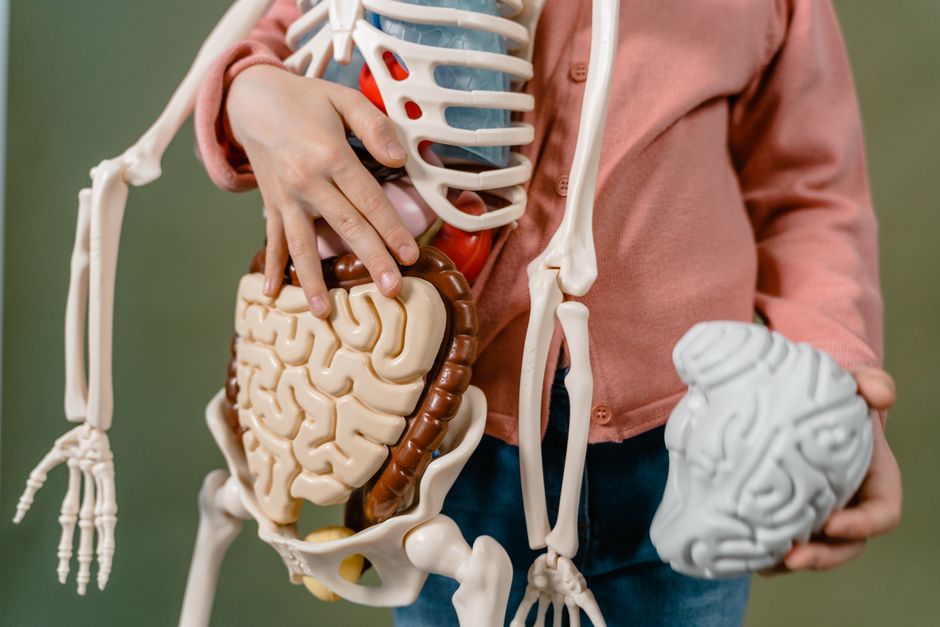
The digestive system is a long, coordinated tube that breaks down the food you eat into tiny nutrients your body can use for energy, growth, and cell repair. It starts at your mouth and ends at your anus, with several organs working in sequence to turn a sandwich into fuel. Think of it less as a single machine and more as a relay race — each section has a specific job, and if one drops the baton, the whole process slows down.
What Exactly Happens When You Eat?
The process begins the moment you see, smell, or even think about food. Your brain signals your salivary glands to produce saliva, which contains an enzyme called amylase that starts breaking down starches. Chewing mechanically grinds food into smaller pieces, increasing the surface area for enzymes to work on later.
Once you swallow, food moves down the esophagus through rhythmic muscle contractions called peristalsis. This is not gravity doing the work — you could eat upside down and food would still reach your stomach. At the bottom of the esophagus, a ring of muscle called the lower esophageal sphincter opens to let food in and then closes tight to prevent stomach acid from splashing back up.
Your stomach is a muscular bag that churns food into a semi-liquid paste called chyme. It also releases hydrochloric acid and pepsin, an enzyme that begins digesting protein. The stomach does not absorb many nutrients — its main job is mechanical mixing and chemical breakdown. Most people do not realize that the stomach lining replaces itself every few days because acid is that corrosive.
How Do the Small Intestine and Accessory Organs Work Together?
The small intestine is where the real action happens. It is about 20 feet long and coiled in your abdomen. By the time chyme enters the first section called the duodenum, it has been mixed with bile from the liver and enzymes from the pancreas.
Bile breaks down fats into smaller droplets, a process called emulsification. Without bile, you cannot absorb fat-soluble vitamins A, D, E, and K. The pancreas produces a cocktail of enzymes that digest carbohydrates, proteins, and fats. Current research suggests that the pancreas also releases bicarbonate to neutralize stomach acid, which is critical because the small intestine is not built to handle that level of acidity.
The inner surface of the small intestine is lined with tiny finger-like projections called villi, and each villus has even smaller microvilli. This creates a surface area roughly the size of a tennis court. Nutrients pass through these villi into your bloodstream and lymphatic system. Most digestion and absorption happens in the small intestine, not the stomach. That is a common misunderstanding — the stomach mostly prepares food for the small intestine to handle.
What Role Does the Large Intestine Play?
By the time food residue reaches the large intestine, or colon, most nutrients have been absorbed. What remains is mostly water, electrolytes, and indigestible fiber. The colon absorbs most of the remaining water and turns the liquid waste into solid stool.
The large intestine also houses trillions of bacteria, collectively called the gut microbiome. These bacteria ferment undigested fiber and produce short-chain fatty acids like butyrate, which feed the cells lining your colon. Some studies suggest that butyrate may reduce inflammation and support immune function, though researchers are still working out the details.
The colon is about five feet long and shaped like an upside-down U. It moves waste slowly — usually over 12 to 48 hours — to give bacteria time to work. If waste moves too fast, you get diarrhea. If it moves too slow, you get constipation. The colon ends at the rectum, where stool is stored until you feel the urge to have a bowel movement.
-
 How Does the Digestive System Work with the Cardiovascular System?
 -
How Does the Digestive System and Circulatory Work Together?
-
How Does the Respiratory System Work with the Digestive System?
-
What the Large Intestine Does in the Digestive System?
-
Gut Save Reviews 2026: Legit or Scam? We Checked [FACTS]





How Does the Brain Control Digestion?
Your digestive system has its own nervous system called the enteric nervous system, often called the second brain. It contains about 500 million neurons and can operate independently from your brain and spinal cord. This is why your gut can keep working even if you are unconscious.
The brain and gut communicate constantly through the vagus nerve. Stress, anxiety, and excitement can slow or speed up digestion directly. That is why some people get an upset stomach before a big presentation or feel nauseous when nervous. It is not in your head — it is a real physical response.
As of 2026, researchers are studying how this gut-brain connection affects conditions like irritable bowel syndrome and depression. Some evidence suggests that improving gut health through diet may influence mood, but the research is still early. It is a promising area, not a settled fact.
What Actually Affects Digestive Health?
Several factors influence how well your digestive system works. Here is a comparison of what helps versus what hurts based on current evidence:
| Helps Digestion | Hurts Digestion |
|---|---|
| Fiber from fruits, vegetables, and whole grains | Low-fiber processed foods |
| Regular hydration | Dehydration |
| Physical activity | Sedentary lifestyle |
| Adequate sleep | Chronic sleep deprivation |
| Stress management | Chronic stress |
| Probiotic-rich foods like yogurt and kefir | Excessive alcohol |
Fiber is particularly important because it adds bulk to stool and feeds beneficial gut bacteria. Most Americans get only about half the recommended 25 to 30 grams per day. Increasing fiber too quickly can cause bloating and gas, so it is better to add it gradually over a few weeks.
Hydration is equally critical. Water helps dissolve nutrients so they can be absorbed, and it softens stool to prevent constipation. Plain water is best — sugary drinks can actually pull water into the intestine and cause diarrhea.
Physical activity stimulates peristalsis, the muscle contractions that move food through your system. Even a 20-minute walk after a meal can help. On the other hand, lying down immediately after eating can slow digestion and increase the risk of acid reflux.
Common Misconceptions About Digestion
One persistent myth is that detox diets and colon cleanses remove toxins from your body. As of 2026, there is no clinical evidence that these practices provide any health benefit. Your liver and kidneys are already highly effective at filtering waste. Colon cleansing can actually disrupt your gut microbiome and cause dehydration or electrolyte imbalances.
Another widespread belief is that eating late at night causes weight gain directly. The timing of meals matters less than what and how much you eat. However, eating close to bedtime can cause acid reflux because lying down makes it easier for stomach acid to escape into the esophagus. That discomfort can also disrupt sleep, which indirectly affects weight regulation.
Some people think that spicy foods cause stomach ulcers. Research has shown that most ulcers are caused by the bacterium H. pylori or long-term use of NSAID pain relievers like ibuprofen. Spicy foods can irritate existing ulcers, but they do not cause them.
Probiotics are widely promoted as a cure-all for digestive issues. The truth is more nuanced. Different strains of bacteria have different effects, and not all products contain enough live organisms to make a difference. Some studies suggest benefits for specific conditions like antibiotic-associated diarrhea, but evidence for general digestive health is mixed. Fermented foods like yogurt, kimchi, and sauerkraut are a more reliable source of beneficial bacteria than most supplements.
Frequently Asked Questions About the digestive system work
How long does it take to digest food?
Total digestion time varies from person to person but usually takes 24 to 72 hours. Food moves through the stomach in 2 to 5 hours and through the small intestine in 2 to 6 hours, with the colon taking the longest.
What is the most important organ in the digestive system?
No single organ is most important because they all depend on each other. However, the small intestine is where the vast majority of nutrient absorption occurs, making it essential for survival.
Can stress really affect my digestion?
Yes, stress directly impacts digestion through the gut-brain connection. Chronic stress can slow or speed up gut motility, increase inflammation, and worsen conditions like irritable bowel syndrome.
Do I need to take digestive enzymes?
Most people produce enough natural enzymes and do not need supplements. Enzyme supplements may help people with specific conditions like pancreatic insufficiency, but they are not necessary for healthy digestion.
