
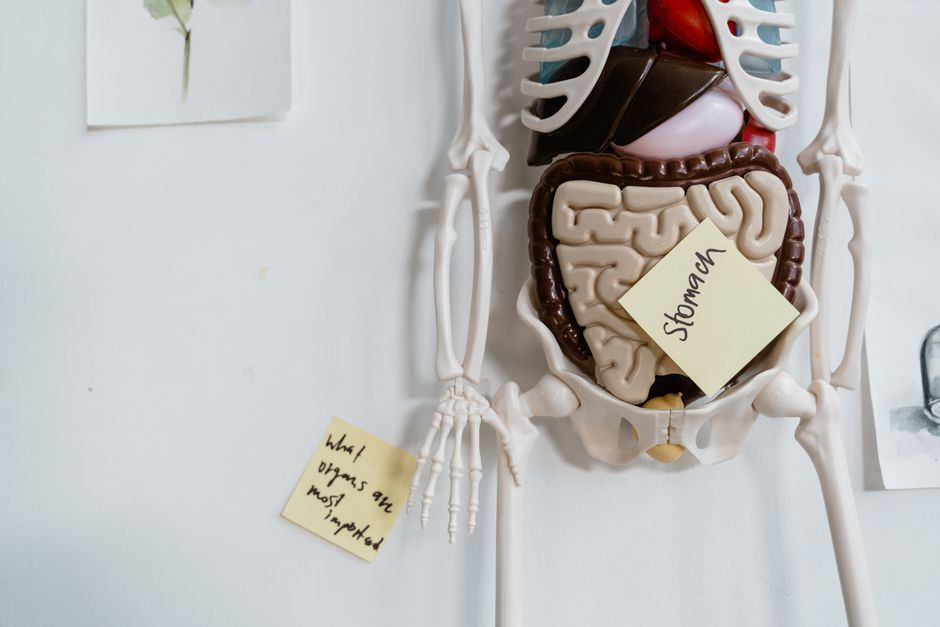
The digestive system does far more than break down food. It is a coordinated series of organs that turns what you eat into fuel your body can actually use. It also removes waste, supports your immune system, and communicates directly with your brain. The major functions of the digestive system include ingestion, mechanical and chemical breakdown of food, absorption of nutrients and water, and elimination of waste. Each step depends on the one before it, and when one part fails, the whole process feels it.
What Are the Major Functions of Digestive System Organs?
The digestive tract is a long muscular tube. It runs from your mouth to your anus. Each section has a specific job, and they work in sequence.
It starts with ingestion. That simply means taking food in through your mouth. Your teeth tear and grind food into smaller pieces. This is mechanical digestion. Your saliva adds enzymes that begin breaking down carbohydrates chemically before you even swallow.
The esophagus then moves food down to the stomach using wave-like muscle contractions called peristalsis. The stomach churns food into a liquid-like mixture and adds strong acid and enzymes that break down proteins. The small intestine continues the chemical breakdown and is where most nutrient absorption happens. The large intestine absorbs water and salts, and the rectum stores waste until it leaves the body.
Two accessory organs do critical work without being part of the tube itself. The liver produces bile, which helps digest fats. The pancreas releases enzymes that break down proteins, fats, and carbohydrates.
How Does Chemical Digestion Break Down Food?
Chemical digestion is the process of breaking large food molecules into smaller ones your body can absorb. This is not optional. Your cells cannot use whole proteins or complex starches. They need individual amino acids and simple sugars.
Enzymes drive this process. Each enzyme targets a specific nutrient. Amylase in saliva starts on starches. Pepsin in the stomach works on proteins. Lipase from the pancreas breaks down fats. These enzymes work best at specific acid levels, which is why the stomach is highly acidic and the small intestine is more neutral.
Bile is not an enzyme, but it is essential. Made by the liver and stored in the gallbladder, bile acts like detergent. It breaks large fat globules into smaller droplets so lipase can reach them. Without bile, most dietary fat would pass through undigested.
This entire process takes time. Food spends roughly two to four hours in the stomach alone. The small intestine then takes another three to five hours to finish digestion and absorption. Total transit time from mouth to elimination typically ranges from 24 to 72 hours.
Where Does Nutrient Absorption Actually Happen?
The small intestine is the main site of absorption. It is about 20 feet long, and its inner surface is folded into millions of tiny finger-like projections called villi. Each villus is covered in even smaller microvilli. Together they create an enormous surface area — roughly the size of a tennis court.
Carbohydrates are absorbed as simple sugars. Proteins are absorbed as amino acids and small peptides. Fats are absorbed as fatty acids and glycerol. Most vitamins and minerals are also absorbed here.
There are exceptions. Vitamin B12 is absorbed in the final section of the small intestine called the ileum. Water and some salts are absorbed in the large intestine. Alcohol and some medications are absorbed directly from the stomach.
Absorption is not passive for every nutrient. Some require active transport, meaning the body uses energy to pull them across the intestinal wall. Iron and calcium are examples. Others, like fructose, are absorbed more passively.



Why Is the Gut Microbiome Part of Digestion?
Trillions of bacteria live in your large intestine. These are not invaders. They are essential partners in digestion.
Your body cannot digest certain plant fibers on its own. The bacteria in your colon can. They ferment these fibers and produce short-chain fatty acids, which feed the cells lining your colon and support gut health. This fermentation also produces gas, which is normal.
The microbiome also influences how you absorb some nutrients and may affect how your immune system responds to food. Research in this area is still developing, but the evidence is clear that a diverse gut microbiome is linked to better digestive health.
What you eat shapes your microbiome. Diets high in varied plant foods tend to support more bacterial diversity. Highly processed diets tend to reduce it.
How Does the Digestive System Protect the Body?
Digestion is not only about taking things in. It is also about keeping harmful things out.
The stomach’s acid kills most bacteria and viruses that enter with food. The intestines are lined with a mucus barrier that blocks pathogens while allowing nutrients through. This barrier is selective, and its integrity matters.
About 70 percent of your immune system sits in your gut. Specialized immune cells in the intestinal wall monitor what passes through. They learn to tolerate food proteins while attacking actual threats. When this system misfires, you can develop food allergies or intolerances.
The gut also has a powerful defense called the gut-associated lymphoid tissue, or GALT. It is part of your immune system and helps prevent harmful organisms from entering your bloodstream.
What Happens When Digestion Goes Wrong?
Common digestive symptoms are often signs that one of these functions is disrupted.
Heartburn happens when stomach acid moves up into the esophagus. The esophagus is not protected like the stomach, so the acid causes burning. Bloating and gas often result from incomplete carbohydrate digestion or changes in the gut microbiome. Constipation usually means waste is moving too slowly through the colon, allowing too much water to be reabsorbed.
Malabsorption is more serious. It means nutrients are not being absorbed properly. This can cause weight loss, fatigue, and vitamin deficiencies. Conditions like celiac disease damage the villi, reducing the absorptive surface. Crohn’s disease can inflame any part of the digestive tract and interfere with digestion.
If you notice persistent changes in your digestion, blood in your stool, or unexplained weight loss, see a doctor. These are not things to manage on your own.
How Can You Support Healthy Digestion?
Digestive health is largely shaped by daily habits. There is no single magic food or supplement that fixes everything.
Eating a diet rich in fiber supports regular bowel movements and feeds your gut bacteria. Whole grains, beans, vegetables, and fruits are good sources. Staying hydrated is essential because the colon needs water to form soft stool.
Chewing food thoroughly is simple but often overlooked. Digestion begins in the mouth, and smaller food particles are easier for enzymes to break down. Eating slowly also gives your body time to signal fullness.
Regular physical activity helps keep the digestive tract moving. Stress management matters too. The brain and gut are connected through the vagus nerve, and stress can slow or disrupt digestion.
Probiotics are widely marketed, but the evidence is mixed. Some strains may help with specific conditions like antibiotic-related diarrhea, but results vary by strain and person. No clinical evidence currently confirms that a general probiotic supplement improves digestion in healthy people.
When Should You See a Doctor About Digestion?
Occasional digestive discomfort is normal. Persistent symptoms are not.
See a doctor if you have ongoing abdominal pain, unexplained weight loss, blood in your stool, or severe constipation or diarrhea lasting more than a few weeks. Difficulty swallowing or persistent vomiting also requires medical attention.
These symptoms can point to conditions that need treatment. They are not something to ignore or self-diagnose online. Early evaluation leads to better outcomes.
Frequently Asked Questions
What is the main function of the digestive system?
The main function is to break down food into nutrients the body can absorb and use for energy, growth, and repair.
How long does food take to digest?
Total digestion time from eating to elimination usually takes 24 to 72 hours, with the stomach and small intestine doing most of the work in the first several hours.
Which organ absorbs the most nutrients?
The small intestine absorbs the majority of nutrients, including carbohydrates, proteins, fats, and most vitamins and minerals.
Can stress affect digestion?
Yes, stress can slow or disrupt digestion through the brain-gut connection, leading to symptoms like bloating, cramping, or changes in bowel habits.
