
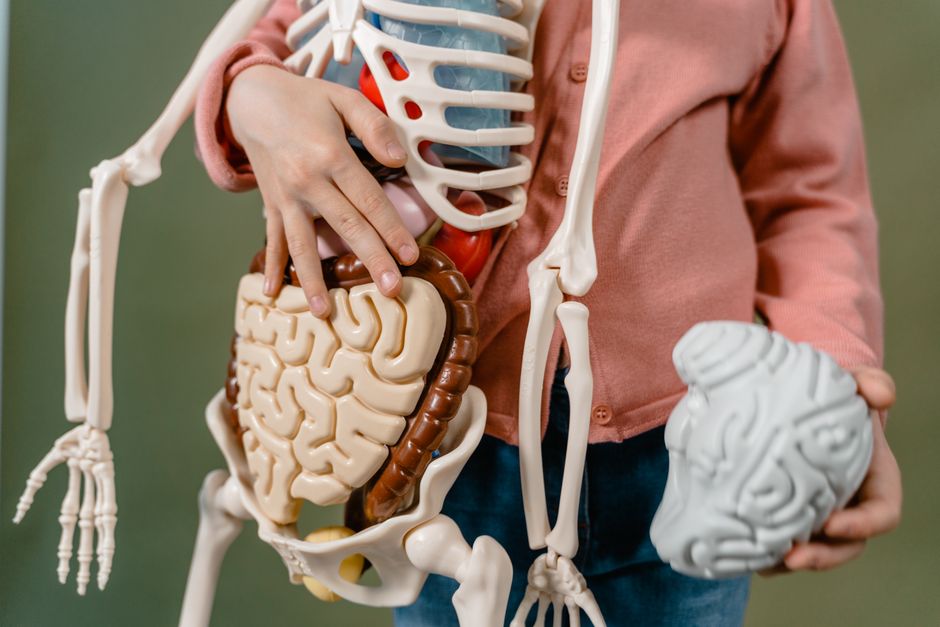
Digestive enzymes are proteins that break down food into nutrients your body can absorb. They occur naturally in certain raw foods, are produced by your own digestive system, and are available as supplements. The most reliable sources are whole foods like papaya, pineapple, and fermented foods such as sauerkraut and kimchi. Research confirms these foods contain active enzymes that can aid digestion, but cooking typically destroys them. Supplement enzymes are widely sold, but clinical evidence for their benefits is mixed and depends on individual health conditions.
What Are Digestive Enzymes and How Do They Work?
Digestive enzymes speed up chemical reactions that split large food molecules into smaller ones. The main types are amylase (breaks starches), protease (breaks proteins), and lipase (breaks fats). Your salivary glands, stomach, pancreas, and small intestine produce these enzymes naturally. Without them, food would pass through your system mostly undigested.
The body makes enough enzymes for most healthy people. But enzyme production can decline with age, pancreatic disease, or after certain surgeries. When that happens, getting enzymes from food or supplements may help.
What Foods Naturally Contain Digestive Enzymes?
Several raw plant foods contain active enzymes. Here are the best-studied sources:
- Papaya — contains papain, a protease that breaks down protein. Research published in Phytotherapy Research found papain helps digest protein effectively.
- Pineapple — contains bromelain, another protease. Studies indicate bromelain survives stomach acid partially and may reduce inflammation.
- Mango — contains amylase, which breaks down starches into sugars. This explains why mangoes get sweeter as they ripen.
- Bananas — contain amylase and glucosidase. Green bananas have more amylase; ripe bananas have more sugar.
- Honey — raw, unpasteurized honey contains amylase and other enzymes. Pasteurization destroys them.
- Fermented foods — sauerkraut, kimchi, miso, and tempeh contain enzymes produced by bacteria and fungi during fermentation.
- Avocado — contains lipase, which helps break down fats.
These are whole-food sources. The enzyme content varies by ripeness, storage, and preparation method. Cooking above about 118°F (48°C) inactivates most enzymes.
Do Papaya and Pineapple Really Contain Digestive Enzymes?
Yes. Papaya and pineapple are the most researched enzyme-containing fruits. The enzymes are concentrated in the raw fruit, especially near the skin and core. Eating a serving of fresh papaya or pineapple provides measurable amounts of active papain or bromelain.
However, the amount of enzyme in a normal portion is small compared to what your pancreas produces or what a supplement capsule provides. Some small studies suggest eating these fruits with a meal can improve protein digestion slightly, but the effect is modest for people with normal digestion. For those with pancreatic insufficiency, whole-food enzymes alone are unlikely to be sufficient — supplements or prescribed enzyme replacements are needed.





What About Supplement Sources of Digestive Enzymes?
Digestive enzyme supplements are sold over the counter in many forms — capsules, tablets, powders, and chewables. They typically contain blends of enzymes derived from plants (bromelain, papain), fungi (amylase, protease, lipase), or animal sources (pancreatin from pigs or cows).
Some research suggests these supplements can help people with specific conditions. For example, a randomized trial published in the Journal of the American College of Nutrition found that a pancreatic enzyme supplement reduced bloating and gas in people with irritable bowel syndrome (IBS). Another study in Alimentary Pharmacology & Therapeutics showed benefit for patients with exocrine pancreatic insufficiency — a condition where the pancreas does not produce enough enzymes.
For healthy adults without a diagnosed deficiency, the evidence is less clear. Most trials show little or no improvement in digestion or symptoms. The body seems to regulate its own enzyme output, and extra enzymes from supplements are often simply broken down and excreted. Some people report feeling better, but the placebo effect may play a role.
Important: Enzyme supplements are not regulated by the Food and Drug Administration (FDA) as strictly as drugs. Their potency, purity, and labeling can vary between brands. If you have a medical condition, talk to a doctor before starting any enzyme supplement.
Who Might Benefit from Digestive Enzyme Supplements?
The clearest benefit is for people whose bodies cannot produce enough enzymes. This includes:
- Patients with chronic pancreatitis or pancreatic cancer
- People who have had part of their pancreas removed
- Individuals with cystic fibrosis (which affects pancreatic function)
- Some people with irritable bowel syndrome (IBS) or functional dyspepsia
For these groups, enzyme replacement therapy is a standard medical treatment, not a dietary supplement. A doctor prescribes specific doses based on meal fat content and body weight.
For the general population, evidence does not support routine use of enzyme supplements for better overall health or weight loss. Some marketing claims suggest enzymes “prevent aging” or “boost immunity” — no reliable studies confirm these effects. Be skeptical of any product that promises dramatic results without specific clinical evidence.
Can Cooking Destroy Digestive Enzymes?
Yes. Heat denatures enzymes, meaning it changes their shape so they no longer function. Most enzymes are inactivated when food reaches 48–60°C (118–140°F). Boiling, baking, frying, and even pasteurization destroy them. That is why cooked fruits and vegetables contain almost no active digestive enzymes.
This does not mean cooked food is bad for digestion. Your body makes its own enzymes to handle cooked food just fine. The loss of food enzymes is not a problem for people with a healthy pancreas. The idea that raw food is essential because it contains “live enzymes” is a marketing myth. Your body does not rely on food enzymes — it produces what it needs.
If you want enzymes from food, eat certain items raw or only gently heated. Papaya, pineapple, and fermented foods are best consumed fresh. But do not fear cooking — it also makes many nutrients more available (like lycopene in tomatoes) and kills harmful bacteria.
Does Fermentation Preserve Digestive Enzymes?
Fermentation does preserve and even create enzymes. When bacteria or fungi ferment food, they produce a range of enzymes that break down sugars, proteins, and fats. The final product — sauerkraut, kimchi, miso, tempeh, kefir — contains these active enzymes as well as probiotics.
Some research indicates that fermented foods can improve digestion in people with mild digestive issues. The enzymes in fermented foods are generally more stable than those in raw fruits because the acidic environment of fermentation protects them. However, pasteurized versions (such as shelf-stable sauerkraut in jars) have been heated and lose most enzyme activity. Look for unpasteurized, refrigerated products if you want active enzymes.
What About Enzyme Supplements for Specific Conditions?
Several enzyme supplements are marketed for lactose intolerance (lactase), gluten digestion (DPP-IV), and gas reduction (alpha-galactosidase). These have a better evidence base because they target a known deficiency.
- Lactase supplements — well studied. Taking lactase tablets before eating dairy helps people with lactose intolerance digest milk sugar. Multiple trials confirm effectiveness.
- Alpha-galactosidase — helps break down complex sugars in beans and cruciferous vegetables. Studies show reduced gas and bloating after taking it with meals containing these foods.
- DPP-IV — often marketed for gluten sensitivity. Evidence is limited. Some lab studies show it breaks down gluten fragments, but clinical studies in humans are mixed and do not support using it as a substitute for a gluten-free diet in celiac disease.
These single-enzyme products are generally safe for short-term use. They do not replace medical treatment for diagnosed conditions.
Frequently Asked Questions
What foods contain the most digestive enzymes?
Papaya, pineapple, and raw mango are among the highest, along with unpasteurized fermented foods like sauerkraut and kimchi.
Do enzyme supplements actually work?
They work for people with diagnosed enzyme deficiencies, but for healthy adults the evidence of benefit is weak.
Can you get enough digestive enzymes from food alone?
For most people with a healthy pancreas, yes — food enzymes are not needed because your body produces its own. Enzyme-rich foods are still nutritious but not essential for digestion.
