
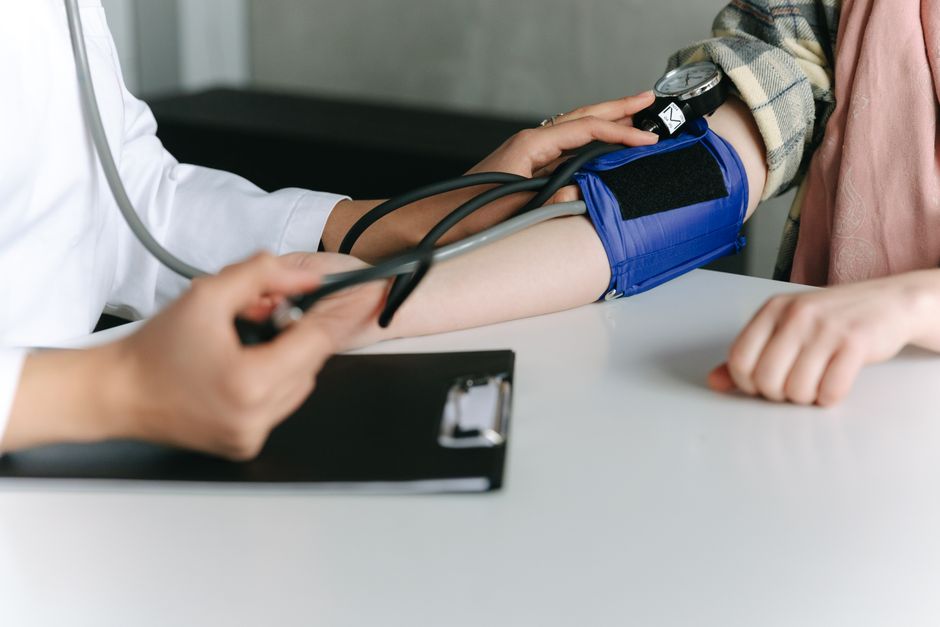
Most people with high blood pressure feel nothing at all. This is the dangerous part. Hypertension is often called the “silent killer” because it typically has no symptoms until it causes serious damage like a heart attack or stroke. You can have blood pressure readings of 180/110 and feel perfectly fine. That is why millions of Americans do not know they have it. The only way to know for sure is to check your blood pressure with a cuff.
What Does High Blood Pressure Actually Feel Like?
For the vast majority of people, the answer is nothing. The American Heart Association states that high blood pressure usually has no warning signs or symptoms. You can live with it for years without knowing. This is not a guess. It is based on decades of clinical data.
Some people report vague symptoms when their blood pressure is very high. But these symptoms are not reliable. They can also be caused by stress, anxiety, or other health conditions. The problem is that by the time symptoms appear, blood pressure has often reached dangerous levels. This is called a hypertensive crisis.
Think of it like a slow leak in a tire. You do not notice it until the tire goes flat. High blood pressure damages your arteries slowly over time. The damage happens quietly. That is why checking your blood pressure regularly is the only way to catch it early.
What Are the Possible Symptoms of Severely High Blood Pressure?
When blood pressure becomes extremely high — generally above 180/120 — some people do notice symptoms. This is called a hypertensive crisis and it requires immediate medical attention. Do not wait to see if it goes away. Call 911.
Possible symptoms include a severe headache that feels different from a normal headache. Some describe it as the worst headache of their life. Chest pain or tightness can also occur. Shortness of breath, even when resting, is another sign. Some people report vision changes like blurry vision or seeing spots. Nosebleeds can happen but are rarely linked to high blood pressure alone. Confusion or difficulty speaking can also occur.
It is important to understand that these symptoms are not specific to high blood pressure. They can be caused by many other things. But if your blood pressure is very high and you have any of these symptoms, it is a medical emergency. Do not try to lower it yourself at home. Go to the emergency room.
Can Stress or Anxiety Mimic High Blood Pressure Symptoms?
Yes, and this creates confusion for many people. Stress and anxiety can cause temporary spikes in blood pressure. They can also cause physical sensations that feel like high blood pressure symptoms. A racing heart, sweating, dizziness, and a tight chest are common during anxiety attacks. These are the same sensations some people associate with high blood pressure.
Research published in the Journal of the American Heart Association found that people with anxiety often have higher blood pressure readings in a doctor’s office. This is called white coat hypertension. The stress of being in a medical setting raises their reading temporarily. It does not mean they have chronic high blood pressure.
The key difference is duration. Stress-related spikes go away when the stressor is removed. Chronic high blood pressure stays elevated all the time. Home blood pressure monitoring can help tell the difference. The CDC recommends checking your blood pressure at the same time each day for a week. This gives a more accurate picture than a single reading at the doctor’s office.
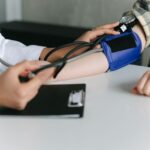
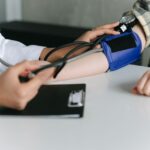
How Does It Feel When Your Blood Pressure Is High Compared to Normal Readings?
This is the most important point to understand. There is no reliable way to feel the difference between normal blood pressure and moderately high blood pressure. A person with a reading of 120/80 feels the same as a person with a reading of 140/90 or 150/95. There are no distinct sensations that separate them.
Some people believe they can “feel” when their blood pressure is high. They describe a pulsing sensation in their head or neck. They might feel flushed or warm. But studies have shown that these sensations do not match actual blood pressure readings. People who think they can feel it are often wrong.
A 2018 study in the journal Hypertension tested this. Researchers asked people with high blood pressure to guess when their pressure was elevated. Most could not do it accurately. The few who could were often guessing based on stress levels, not actual blood pressure changes. This is why home monitoring is so valuable. It removes the guesswork.
What Happens Inside Your Body When Blood Pressure Is High?
High blood pressure puts extra force against your artery walls. Over time, this force damages the delicate inner lining of your arteries. Think of it like water running through a hose at high pressure. Eventually, the hose develops weak spots and leaks. Your arteries respond the same way.
The damage happens in several ways. Small tears form in the artery walls. Your body tries to repair these tears with cholesterol and other substances. This creates plaque buildup, which narrows the arteries. Narrowed arteries make the heart work harder to pump blood. The heart muscle thickens and becomes less efficient. This is called left ventricular hypertrophy.
Here is a simple comparison of what happens with normal versus high blood pressure over time:
| Normal Blood Pressure | High Blood Pressure |
|---|---|
| Arteries remain flexible and smooth | Arteries become stiff and damaged |
| Heart pumps with normal effort | Heart works harder and thickens |
| Low risk of plaque buildup | Higher risk of plaque and blockages |
| Kidneys filter blood effectively | Kidney damage over years |
| Brain gets steady blood flow | Higher risk of stroke from weakened vessels |
The damage is cumulative. It happens over years and decades. That is why untreated high blood pressure is linked to heart attack, stroke, kidney disease, and vision loss. The damage is real even when you feel fine.
What Are Common Myths About High Blood Pressure Symptoms?
There are many myths about what high blood pressure feels like. These myths can be dangerous because they give people a false sense of security. If you think you would know if your blood pressure was high, you might not check it. That is a mistake.
One common myth is that high blood pressure always causes headaches. This is not true. While extremely high blood pressure can cause headaches, most people with high blood pressure never get them. A study in the journal Neurology found that only people with readings above 180/120 had a higher risk of headache. Moderate high blood pressure did not cause headaches.
Another myth is that nosebleeds are a sign of high blood pressure. Emergency room studies show that most nosebleeds are not caused by high blood pressure. Dry air, allergies, and nose picking are more common causes. Only very severe hypertensive crises are linked to nosebleeds.
A third myth is that dizziness or lightheadedness means your blood pressure is high. Actually, dizziness is more often a sign of low blood pressure, not high. If you feel dizzy when standing up quickly, that is usually a drop in blood pressure. Do not assume dizziness means hypertension.
- Myth: High blood pressure always causes facial flushing. Fact: Flushing is more often caused by heat, exercise, or certain foods.
- Myth: You can feel when your blood pressure spikes. Fact: Most spikes are silent and can only be detected with a cuff.
- Myth: If you feel fine, your blood pressure is normal. Fact: Millions of people with hypertension feel perfectly fine.
What Should You Do If You Suspect High Blood Pressure?
The first step is to get an accurate reading. Do not rely on a single reading at the doctor’s office. Buy a home blood pressure monitor. The CDC recommends an automatic, cuff-style monitor that goes on your upper arm. Wrist and finger monitors are less accurate. Make sure the cuff fits your arm properly. A cuff that is too small can give falsely high readings.
Take your blood pressure at the same time each day. Sit quietly for five minutes before measuring. Do not talk during the reading. Keep your feet flat on the floor and your arm supported at heart level. Record your readings in a log or an app. Show this log to your doctor.
Normal blood pressure is below 120/80. Elevated blood pressure is 120-129 systolic with diastolic below 80. Stage 1 hypertension is 130-139 systolic or 80-89 diastolic. Stage 2 hypertension is 140 or higher systolic or 90 or higher diastolic. A hypertensive crisis is above 180/120. If you get a reading that high, wait a few minutes and check again. If it is still that high and you have symptoms, call 911.
If your readings are consistently high, see your doctor. They may recommend lifestyle changes first. This can include reducing sodium, eating more fruits and vegetables, getting regular exercise, limiting alcohol, and managing stress. Some people will also need medication. High blood pressure is very treatable. The key is catching it early before damage is done.
Frequently Asked Questions
Can you feel if your blood pressure is high?
No, most people cannot feel high blood pressure. It usually has no symptoms until it reaches dangerously high levels.
What does a high blood pressure headache feel like?
A hypertensive crisis headache is often described as a severe, throbbing pain at the back of the head that comes on suddenly. It is not the same as a tension headache.
Is dizziness a sign of high blood pressure?
Dizziness is more commonly a sign of low blood pressure, not high. Do not rely on dizziness to detect hypertension.
How often should I check my blood pressure at home?
The American Heart Association recommends checking at the same time each day, morning and evening, for a week. Take two or three readings each time.
