

Red blood cells carry oxygen from your lungs to every tissue in your body. When your red blood cell count is high, your blood becomes thicker. This means your heart has to work harder to push blood through your veins and arteries. High red blood cells, a condition doctors call erythrocytosis or polycythemia, can happen for several distinct reasons. Some are harmless responses to your environment, while others signal an underlying medical problem that needs attention.
What Does a High Red Blood Cell Count Actually Mean?
A complete blood count test measures how many red blood cells are in your blood. For adult men, a normal range is roughly 4.7 to 6.1 million cells per microliter. For adult women, the normal range is about 4.2 to 5.4 million cells per microliter. Laboratories vary slightly in their exact ranges, so your doctor interprets results based on their specific reference values.
When your count rises above the normal range, it is considered high. This finding alone does not tell you why it is high. The cause could be something as simple as living at a high altitude or as serious as a bone marrow disorder. The next step is figuring out which category your situation falls into.
Why Would Red Blood Cells Be High? The Three Main Categories
Doctors divide high red blood cell counts into three broad categories. Understanding these categories helps you grasp what your doctor is looking for.
Relative erythrocytosis happens when your plasma volume drops. Plasma is the liquid part of your blood. If you become dehydrated, your blood has less fluid, so the red blood cells become more concentrated. Your actual number of red blood cells is normal, but the ratio looks high on a blood test.
Secondary erythrocytosis happens when your body produces more red blood cells in response to a signal. This is usually triggered by low oxygen levels in your blood. Your kidneys detect the low oxygen and release a hormone called erythropoietin, which tells your bone marrow to make more red blood cells.
Primary erythrocytosis happens when your bone marrow produces too many red blood cells on its own. This is the least common cause. The most well-known example is polycythemia vera, a bone marrow disease where the marrow overproduces red blood cells regardless of your body’s needs.
What Causes Secondary High Red Blood Cell Counts?
Secondary erythrocytosis is the most common explanation for a high red blood cell count. Your body is responding to a signal, usually low oxygen. Several conditions can create this situation.
Chronic lung disease is a major cause. Conditions like COPD, emphysema, and pulmonary fibrosis reduce how much oxygen reaches your blood. Your kidneys detect the shortage and increase red blood cell production to compensate.
Heart disease can also cause this. When your heart cannot pump blood efficiently, oxygen delivery to tissues drops. Your body responds by making more red blood cells to maximize the oxygen each heartbeat delivers.
Sleep apnea is an often-overlooked cause. People with sleep apnea stop breathing briefly during sleep. This causes repeated drops in blood oxygen levels through the night. Over time, these episodes stimulate red blood cell production. Some people discover they have sleep apnea only after blood tests come back with a high red blood cell count.
High altitude living triggers the same response. At high elevations, the air has less oxygen. Your body adapts by producing more red blood cells. This is a normal, healthy adaptation. People who move from sea level to a mountain town will see their red blood cell count rise within weeks.
Smoking is another common cause. Carbon monoxide in cigarette smoke binds to hemoglobin more strongly than oxygen does. This reduces the oxygen-carrying capacity of your blood. Your body responds by making more red blood cells to compensate.
Kidney tumors or other tumors that produce erythropoietin can also drive red blood cell production. This is rare, but it is one reason doctors investigate unexplained high counts.




What Is Polycythemia Vera?
Polycythemia vera is a type of blood cancer where your bone marrow makes too many red blood cells. It belongs to a group of diseases called myeloproliferative neoplasms. The word “neoplasm” means abnormal growth.
In polycythemia vera, a mutation in your bone marrow stem cells causes them to multiply without proper control. Most people with this condition have a mutation in a gene called JAK2. This mutation is not inherited from your parents. It develops during your lifetime.
This condition is serious because thick blood increases your risk of blood clots. These clots can cause heart attacks, strokes, or blockages in your lungs. Treatment focuses on reducing red blood cell production and thinning your blood to lower clot risk.
Polycythemia vera is diagnosed through blood tests and sometimes a bone marrow biopsy. Doctors look for a high red blood cell count along with low erythropoietin levels. In secondary erythrocytosis, erythropoietin levels are typically normal or high. In polycythemia vera, they are usually low because the bone marrow is not responding to the hormone.
What Symptoms Should You Watch For?
High red blood cells do not always cause symptoms. Many people discover the condition during routine blood work. When symptoms do appear, they often relate to thick blood and reduced flow.
Common symptoms include headaches, dizziness, and blurred vision. Some people notice a red or flushed appearance to their face. Others experience itching, especially after a warm shower or bath. Fatigue and weakness are also common because your tissues may not receive optimal blood flow.
More serious symptoms include chest pain, shortness of breath, and confusion. These can signal a blood clot and require immediate medical attention. If you experience sudden chest pain, difficulty breathing, or weakness on one side of your body, call emergency services.
How Is a High Red Blood Cell Count Diagnosed?
The diagnosis starts with a complete blood count. If your red blood cell count is high, your doctor will likely repeat the test to confirm the finding. Dehydration can cause a false high reading, so your doctor may check your hydration status first.
If the count remains high, your doctor will order additional tests. These may include a blood oxygen level test, erythropoietin level test, and JAK2 mutation testing. Your doctor may also check your kidney and liver function. Imaging studies like a chest X-ray or ultrasound of your kidneys may be ordered if your doctor suspects an underlying cause.
Many doctors also check your hematocrit, which measures the percentage of your blood made up of red blood cells. A hematocrit above 48% for women or 52% for men is considered elevated. This number helps doctors gauge the severity of the condition and guide treatment decisions.
What Are the Treatment Options?
Treatment depends entirely on the underlying cause. There is no one-size-fits-all approach.
If dehydration is the cause, increasing fluid intake may resolve the issue. Your red blood cell count should return to normal once you are properly hydrated.
If sleep apnea is driving the high count, treating the sleep apnea with continuous positive airway pressure therapy can help. Many people see their red blood cell counts improve once their nighttime breathing is stabilized.
If you smoke, quitting smoking is one of the most effective steps you can take. Your oxygen levels improve, and your body stops overproducing red blood cells. This is one of the few causes where lifestyle change directly addresses the root problem.
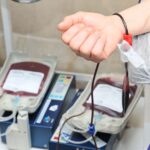
For polycythemia vera, treatment is more involved. Doctors commonly use a procedure called phlebotomy, where blood is drawn from your veins to reduce red blood cell concentration. This is similar to donating blood. Some people also take medication to suppress bone marrow activity. Low-dose aspirin is often prescribed to reduce clot risk.
For secondary erythrocytosis caused by lung or heart disease, treatment focuses on managing the underlying condition. Oxygen therapy may be used if your blood oxygen levels are dangerously low. Your doctor will work with you to optimize treatment for the primary disease.
Can High Red Blood Cells Be Prevented?
Some causes of high red blood cells cannot be prevented. You cannot prevent polycythemia vera or a genetic predisposition to high counts. You cannot prevent chronic lung disease once it has developed.
But some causes are preventable. You can avoid smoking and secondhand smoke. You can stay well hydrated, especially during exercise or hot weather. If you have sleep apnea, using your prescribed treatment consistently can prevent the condition from worsening.
Regular checkups with blood work can catch high red blood cells early. Early detection matters because it allows treatment before complications like blood clots develop. If you have a family history of blood disorders or polycythemia, mention this to your doctor.
When Should You See a Doctor?
You should see a doctor if you experience persistent headaches, dizziness, or unusual fatigue. You should also seek medical attention if you notice a persistent flushed appearance or itching without an obvious cause.
Seek emergency care immediately if you have chest pain, shortness of breath, sudden weakness, or difficulty speaking. These symptoms could indicate a blood clot and require urgent treatment.
If a blood test showed a high red blood cell count, do not ignore it. Schedule a follow-up appointment to discuss the results with your doctor. The cause may be simple, but it deserves proper evaluation.
Frequently Asked Questions
Can stress cause high red blood cells?
Stress alone does not directly cause high red blood cells. However, stress can contribute to behaviors like smoking or poor hydration that may influence your count.
Is a high red blood cell count dangerous?
It can be, especially if it is severe or caused by an underlying condition. Thick blood increases your risk of blood clots, which can lead to heart attack or stroke.
Can dehydration cause high red blood cells?
Yes. Dehydration reduces your plasma volume, making red blood cells more concentrated. Rehydrating typically brings your count back to normal.
Does high red blood cell count always mean cancer?
No. Most high counts are caused by secondary factors like smoking, lung disease, or high altitude. Polycythemia vera is rare compared to these causes.
