
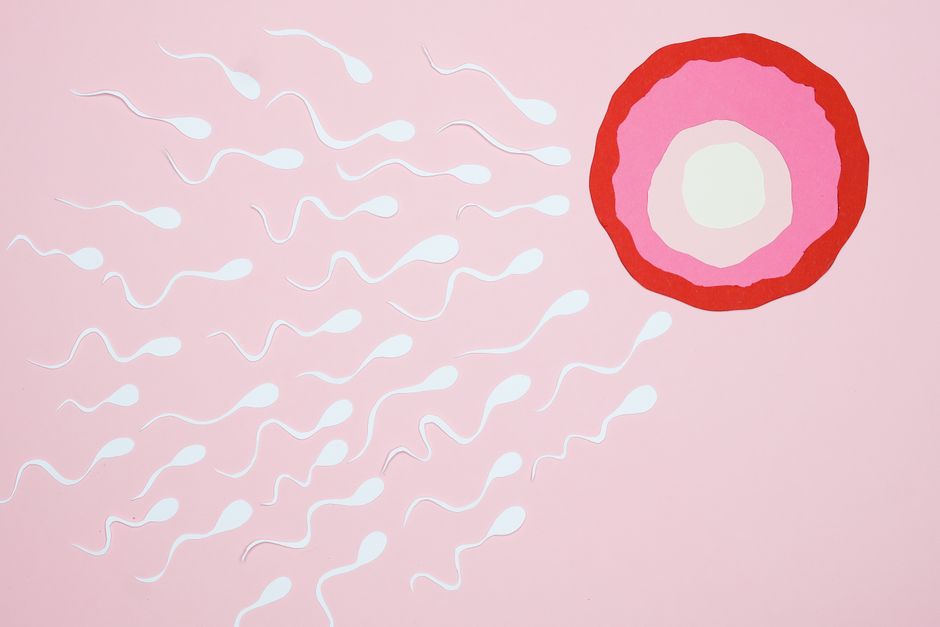
An LH surge is the rapid rise of luteinizing hormone that triggers the ovary to release an egg. This surge, often called the LH peak, is the body’s final signal before ovulation. When you detect this peak with an ovulation test, it means ovulation will most likely happen within the next 12 to 36 hours. This is the most fertile window of your cycle, and it is the biological signal that fertility tracking apps and test strips are designed to catch.
What Exactly Is the LH Surge?
Luteinizing hormone (LH) is made by the pituitary gland in the brain. It is always present in small amounts in your blood and urine. But around the middle of your menstrual cycle, estrogen levels rise sharply. That rise triggers the brain to release a large amount of LH.
This rapid release is the LH surge. It is a biological switch. The surge tells the mature follicle on your ovary to break open and release the egg. Without this surge, ovulation does not happen.
The surge is short. It usually lasts about 24 to 48 hours. After the egg is released, LH levels fall back down to their normal low baseline.
When Does Ovulation Happen After the LH Peak?
Ovulation typically occurs 24 to 36 hours after the LH surge begins. The egg itself only survives for about 12 to 24 hours after release. If sperm is not present in the fallopian tube when the egg arrives, fertilization cannot happen.
This timing matters for anyone trying to conceive. Sperm can survive inside the female reproductive tract for up to five days. So having intercourse in the days leading up to ovulation, and on the day of the LH peak, gives sperm the best chance of being present when the egg is released.
The most fertile days are the two to three days before ovulation and the day of ovulation itself. Detecting the LH peak helps you identify this window with more precision than calendar-based predictions alone.
How Do Ovulation Predictor Kits Work?
Ovulation predictor kits (OPKs) are urine tests that measure LH levels. They work similarly to pregnancy tests. You dip a strip in urine or hold it in your urine stream, and it detects whether LH is present at a high enough level.
A positive test means your LH surge has started. It does not mean you are ovulating at that exact moment. It means ovulation is approaching, usually within the next day or two.
Most kits recommend testing once a day. But some women have short surges that can be missed with once-daily testing. Testing twice a day, usually between 10 a.m. and 8 p.m., can help catch a brief surge.
Urine LH levels are typically highest in the mid-afternoon. Many manufacturers still recommend testing in the morning for convenience. The key is to test at the same time each day so you can compare results accurately.





Can You Miss the LH Peak?
Yes. Some women have very short LH surges that last less than 24 hours. If you only test once per day, you can miss it entirely. This is more common than many people realize.
Other factors can also affect the accuracy of OPKs. Drinking large amounts of fluid before testing can dilute your urine and cause a false negative. Testing too early or too late in your cycle can also miss the surge.
Some women have a gradual rise in LH rather than a sharp spike. In these cases, the test may show a positive result for several days, which makes it harder to pinpoint the exact peak.
What Does a Positive LH Test Actually Mean?
A positive OPK means your body has begun the hormonal process that leads to ovulation. It confirms that your pituitary gland has released a large amount of LH. This is a strong indicator that ovulation is imminent for most women.
But a positive test does not guarantee that an egg will be released. In some cases, the LH surge happens but the follicle does not rupture. This condition is called luteinized unruptured follicle syndrome (LUFS). It is not common, but it can cause a positive OPK without actual ovulation.
For most women, though, a positive LH test is a reliable sign that ovulation will occur. Studies have shown that the LH surge is a strong predictor of ovulation in regularly cycling women.
How Does the LH Peak Differ From Other Cycle Signs?
Basal body temperature (BBT) rises after ovulation, not before. It can confirm that ovulation has happened, but it cannot predict it. By the time your temperature rises, your fertile window is mostly over.
Cervical mucus changes before ovulation. It becomes clear, stretchy, and slippery — similar to raw egg whites. This happens in response to rising estrogen. The LH surge happens after these mucus changes begin.
OPKs are more precise than calendar tracking and temperature charting for predicting ovulation. Calendar methods assume a regular cycle length. Temperature confirms ovulation after the fact. OPKs give you a heads-up that ovulation is coming.
Combining OPKs with cervical mucus observation gives you the most complete picture. The mucus tells you that estrogen is rising. The LH test tells you that ovulation is about to happen.
Who Should Use LH Testing?
LH testing is most helpful for women trying to conceive. It takes the guesswork out of timing intercourse. For couples who do not have sex every day, knowing the LH peak can help them focus their efforts on the most fertile days.
Women with irregular cycles may find OPKs more challenging to use. Because the surge can happen at unpredictable times, you may need to test for more days each cycle. Some women with polycystic ovary syndrome (PCOS) have persistently elevated LH levels, which can cause false positive results.
Women approaching menopause may also see confusing results. As hormone levels fluctuate, LH can rise and fall unpredictably. OPKs are not designed for this population and may not be reliable.
If you have been tracking cycles for several months without success, OPKs can help you confirm whether you are actually ovulating. But they do not assess egg quality, fallopian tube function, or male fertility. Those require medical evaluation.
What Are the Limitations of LH Testing?
OPKs detect the LH surge, but they do not measure the intensity of the surge. A test line as dark as the control line is considered positive. A test line darker than the control line does not mean you are “more fertile.” It just means more LH is present.
Some women have a slow rise in LH that produces a positive test for several days. Others have a sharp spike that is positive for only a few hours. Both patterns can be normal.
Certain medications can interfere with OPK results. Fertility drugs containing LH or hCG, such as some injectable ovulation induction medications, can cause false positives. Clomiphene citrate, a common fertility medication, does not typically affect LH test accuracy.
Medical conditions that affect hormone levels can also change results. Thyroid disorders, pituitary issues, and kidney disease can all influence LH levels in the body.
How Many Days Should You Test?
For a typical 28-day cycle, testing from day 10 to day 16 covers the most likely ovulation window. For longer cycles, you may need to start later and test longer. For shorter cycles, start earlier.
A general rule is to start testing about 17 days before your next expected period. If your cycle is 28 days, that means day 11. If your cycle is 35 days, that means day 18.
Once you get a positive result, you can stop testing for that cycle. The surge has been detected. Continue having intercourse for the next two to three days to cover the ovulation window.
What Does a Negative LH Test Mean?
A negative test means LH levels in your urine are still at baseline. It does not mean you are not going to ovulate this cycle. It simply means the surge has not started yet.
Continue testing daily until you get a positive result or your predicted window passes. If you never get a positive test across several cycles, it may indicate that you are not ovulating. This is a reason to speak with a healthcare provider.
Frequently Asked Questions
How long after the LH peak do you ovulate?
Ovulation typically occurs 24 to 36 hours after the LH surge begins. The egg then survives for about 12 to 24 hours.
Can you ovulate without an LH surge?
Ovulation without an LH surge is extremely rare. The LH surge is the physiological trigger that causes the egg to be released from the ovary.
Is a positive ovulation test a guarantee of ovulation?
No, a positive test is not a guarantee. In rare cases, the follicle does not rupture even after the LH surge, a condition called luteinized unruptured follicle syndrome.
How many days after the LH peak are you fertile?
You are most fertile in the two to three days before ovulation and on the day of ovulation itself. The LH peak signals that this window is open.
