
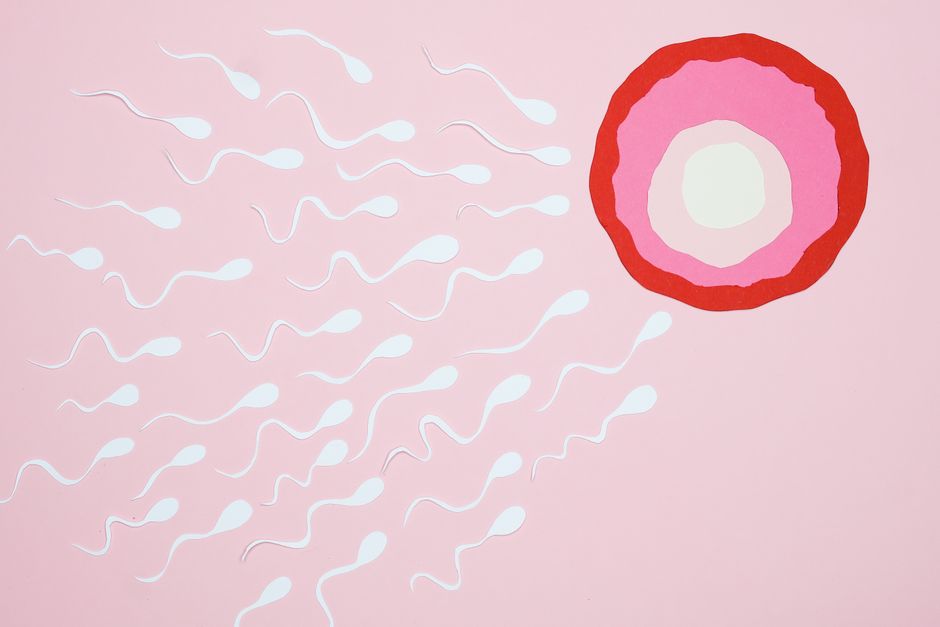
Ovulation is the release of a mature egg from the ovary, and it happens on a single day within each menstrual cycle. After that day passes, the egg survives for roughly 12 to 24 hours before it can no longer be fertilized. The clearest sign that ovulation is over is a sustained rise in basal body temperature that stays elevated for three or more days. Other signs, like changes in cervical mucus and the timing of ovulation pain, can also point to the end of the fertile window.
How Do I Know Ovulation Is Over Key Body Signs
Your body leaves a trail of clues after ovulation, and some are more reliable than others. The most dependable sign is a rise in basal body temperature (BBT). Before ovulation, BBT typically ranges from about 97.0 to 97.5°F. After ovulation, progesterone pushes it up by roughly 0.5 to 1.0°F, and it stays higher until your next period.
The catch is that this rise only confirms ovulation after it has already happened. By the time your temperature shifts, the fertile window has closed. That makes BBT useful for confirming that ovulation occurred, not for predicting it in advance.
Cervical mucus changes are another signal. Around ovulation, mucus becomes clear, slippery, and stretchy — similar to raw egg whites. After ovulation, progesterone causes it to become thicker, stickier, or drier. This shift usually happens within a day or two after ovulation.
A third sign is ovulation pain, called mittelschmerz. Some women feel a dull ache or sharp twinge on one side of the lower abdomen. It can last from a few minutes to a couple of days. But not everyone feels it, and it is not a reliable standalone indicator.
What Does a Basal Body Temperature Rise Actually Tell You?
A sustained temperature rise is the most studied at-home method for confirming that ovulation has occurred. The pattern matters more than any single reading. One high temperature means little. Three or more consecutive higher readings, compared to your previous six, indicate that ovulation likely happened.
To track BBT accurately, you need to take your temperature at the same time every morning before getting out of bed. Even small disruptions — a bad night’s sleep, a fever, alcohol the night before — can throw off a reading. This is why single-day spikes should not be treated as confirmation.
Some important limitations:
- BBT confirms ovulation after the fact, not before.
- It cannot tell you how good egg quality is or whether the egg was fertilized.
- Shift work, sleep disorders, and certain medications can make BBT tracking unreliable.
- A rise in temperature does not guarantee that the egg was viable or that pregnancy will occur.
Research on fertility awareness methods has generally found that BBT tracking, when combined with cervical mucus observation, can identify the post-ovulatory infertile phase with reasonable accuracy. But BBT alone is not a standalone birth control method, and it should not be treated as one.
Can Cervical Mucus Tell You Ovulation Is Over?
Yes, cervical mucus changes can signal that ovulation has passed. During the fertile window, estrogen makes mucus clear, wet, and stretchy. After ovulation, progesterone shifts it to a thicker, tackier, or drier texture. Many women notice this change within a day or two after ovulation.
The tricky part is that cervical mucus can be affected by many things — hydration, sexual arousal, infections, and certain medications. Some women also have naturally less noticeable mucus changes than others. So while mucus is a useful clue, it is not perfectly reliable on its own.
If you are tracking fertility, combining mucus observations with BBT gives a clearer picture than either method alone. This combined approach is the basis of several well-known fertility awareness methods.





What About Ovulation Pain — Does It Mean Ovulation Is Done?
Ovulation pain, or mittelschmerz, is felt by some women around the time an egg is released. It typically occurs on one side of the lower abdomen, depending on which ovary is releasing the egg that cycle. The pain can last minutes to hours, and in some cases up to a day or two.
Here is the problem: mittelschmerz can occur just before, during, or shortly after ovulation. It does not reliably tell you exactly when ovulation happened or that it is finished. If the pain stops, that might mean ovulation has occurred — or it might just mean the sensation has passed.
Some clinicians suggest that mittelschmerz is caused by the follicle stretching or rupturing as it releases the egg. That explanation is plausible and widely accepted, but the exact mechanism is not fully understood. What is clear is that this pain is not a dependable standalone marker for confirming ovulation.
How Do Ovulation Predictor Kits Fit Into the Picture?
Ovulation predictor kits (OPKs) detect a surge in luteinizing hormone (LH) in urine. The LH surge typically happens 24 to 36 hours before ovulation. A positive OPK means ovulation is likely coming soon — not that it has already happened.
After the LH surge, OPKs may stay positive for a day or two. Once they turn negative again, ovulation has likely occurred or is about to. But OPKs do not confirm that ovulation actually happened. Some cycles produce an LH surge without releasing an egg, a condition called luteinized unruptured follicle syndrome.
For confirming that ovulation is truly over, BBT is more useful than OPKs. The temperature shift reflects the rise in progesterone that only happens after the follicle has released the egg.
How Accurate Are These Signs Overall?
No single sign is perfect. BBT is the most reliable at-home confirmation that ovulation occurred, but it is retrospective. Cervical mucus changes are helpful but can be influenced by other factors. Mittelschmerz is inconsistent. OPKs predict but do not confirm.
When used together, these methods give a much clearer picture. A rise in BBT combined with a change in cervical mucus and the fading of ovulation pain strongly suggests that the fertile window has closed.
It is worth noting that even in a normal cycle, the exact timing of ovulation can vary. Stress, illness, travel, and changes in sleep can all delay ovulation. This means the signs you rely on may shift from cycle to cycle.
If you are trying to conceive or avoid pregnancy, understanding these signs is useful. But for medical decisions — especially around fertility treatment or contraception — talk to a healthcare provider. At-home tracking methods have real limitations, and they are not a substitute for clinical guidance.
What If You Do Not See Any Clear Signs?
Some women never notice a clear temperature shift, mucus change, or ovulation pain. That does not necessarily mean they are not ovulating. It may mean the signs are subtle or that tracking methods are not capturing them well.
If you are concerned about whether you are ovulating at all, a healthcare provider can check hormone levels — including progesterone — at specific points in your cycle. A progesterone blood test drawn about seven days after suspected ovulation is a common way to confirm that ovulation occurred.
Anovulation (a cycle without ovulation) can happen for many reasons, including polycystic ovary syndrome (PCOS), thyroid disorders, significant weight loss or gain, and extreme stress. If you are having irregular cycles or no cycles, that is worth discussing with a doctor.
Frequently Asked Questions
How soon after ovulation does basal body temperature rise?
BBT typically rises within one to two days after ovulation, as progesterone levels increase. The rise is usually about 0.5 to 1.0°F and stays elevated until your next period.
Can you still get pregnant after ovulation pain stops?
The egg survives only about 12 to 24 hours after release, so pregnancy is unlikely once ovulation has clearly passed. However, because the exact timing of ovulation can be hard to pinpoint, some uncertainty remains.
Does clear cervical mucus mean ovulation is over?
No — clear, stretchy mucus usually means you are still in your fertile window. After ovulation, mucus typically becomes thicker or drier, which is the sign that the fertile window has closed.
How many days after a positive OPK does ovulation happen?
Ovulation usually occurs 24 to 36 hours after the LH surge is first detected. A positive OPK means ovulation is likely coming, not that it has already happened.
