
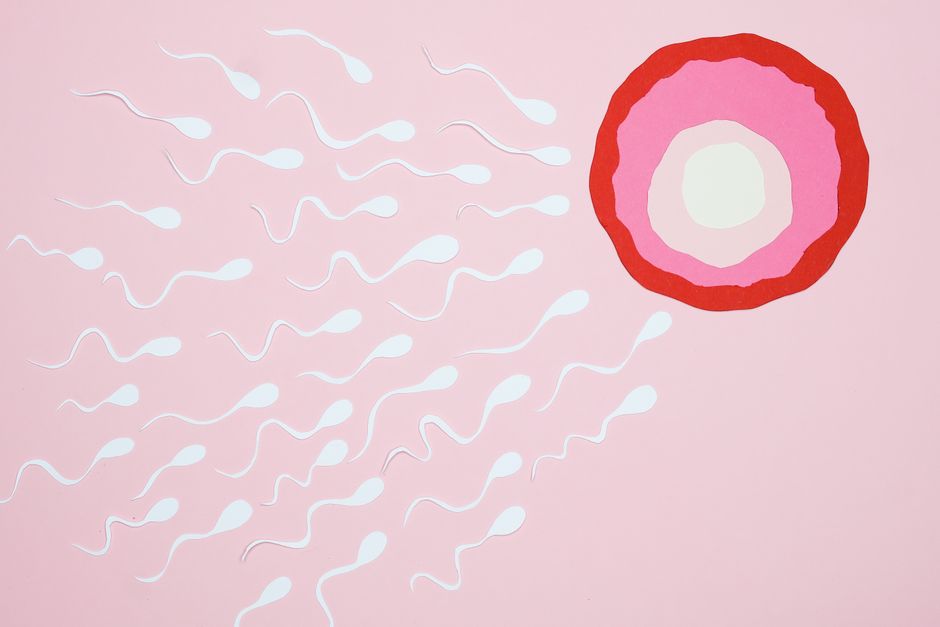
The earliest a pregnancy test can turn positive is about 8 to 10 days after ovulation, but most reliable results show up between 12 and 14 days after ovulation. That timing comes down to one thing: when the fertilized egg implants in the uterine lining and starts releasing hCG, the hormone pregnancy tests detect. If you test too early, you may get a false negative even if you are pregnant.
How Long After Ovulation Can You Take a Pregnancy Test?
Most home pregnancy tests are designed to detect human chorionic gonadotropin (hCG) in urine. That hormone is not produced until a fertilized egg implants in the uterine lining, which typically happens 6 to 12 days after ovulation. Implantation is the trigger. No implantation means no hCG, and no hCG means a negative test no matter how sensitive the test is.
Once implantation occurs, hCG levels begin to rise. In early pregnancy, hCG roughly doubles every 48 to 72 hours. A test taken at 8 days after ovulation might catch a very early implantation, but the odds are low. By 12 to 14 days after ovulation, hCG levels are usually high enough for most home tests to detect reliably.
This is why many clinicians suggest waiting until the day of your expected period — or a day or two after — to test. By that point, you are typically 12 to 16 days past ovulation, and the result is far more trustworthy.
Why Do Some Tests Say You Can Test Early?
Some tests claim you can test as early as 5 or 6 days before your missed period. Those claims are based on the test’s sensitivity to hCG — usually measured in milli-international units per milliliter (mIU/mL). A test labeled “early result” may detect hCG at 10 mIU/mL, while a standard test may need 25 mIU/mL or higher.
Higher sensitivity sounds better, but it does not change the biology. If implantation has not happened yet, there is no hCG to detect. Testing early mostly increases the chance of a false negative. It does not make implantation happen sooner.
There is also a practical problem. Even if a test can detect 10 mIU/mL in a lab, real-world urine concentration varies. How much you have had to drink, how diluted your urine is, and the time of day all affect the reading. First-morning urine tends to be the most concentrated, which is why testing first thing in the morning is often recommended for early testing.
What Happens Between Ovulation and a Positive Test?
The timeline from ovulation to a positive test follows a predictable sequence, though the exact days vary from person to person.
- Ovulation: The egg is released from the ovary and survives about 12 to 24 hours.
- Fertilization: If sperm meets the egg, fertilization usually occurs within 24 hours of ovulation.
- Travel to the uterus: The fertilized egg divides and moves through the fallopian tube, arriving in the uterus roughly 3 to 5 days after fertilization.
- Implantation: The embryo burrows into the uterine lining, typically 6 to 12 days after ovulation.
- hCG production: Once implanted, the embryo’s cells begin releasing hCG.
- Detectable levels: hCG reaches levels most home tests can detect around 12 to 14 days after ovulation.
The variable step is implantation. A pregnancy that implants at day 6 will produce detectable hCG sooner than one that implants at day 12. This is why two people with the same ovulation date can get positive tests on different days.




How Does the Menstrual Cycle Fit In?
The average menstrual cycle is 28 days, with ovulation around day 14. In that case, a missed period falls about 14 days after ovulation — right in the window when hCG is usually detectable.
But cycle length varies widely. A person with a 35-day cycle may ovulate around day 21. A person with a 24-day cycle may ovulate around day 10. The time from ovulation to the next period — called the luteal phase — is more consistent, usually 12 to 14 days. That means the gap between ovulation and a missed period stays roughly the same even when cycle length changes.
If you do not track ovulation, counting from your last period can be misleading. Someone with irregular cycles may ovulate later than they think, which shifts the entire timeline. This is one reason a negative test followed by a missed period does not always mean you are not pregnant — it may just be too early.
What Affects How Soon a Test Turns Positive?
Several factors can shift when a test becomes positive:
- Implantation timing: The single biggest factor. Earlier implantation means earlier hCG production.
- Test sensitivity: A test that detects 10 mIU/mL will turn positive sooner than one that needs 25 mIU/mL.
- Urine concentration: Diluted urine can lower hCG levels below a test’s detection threshold.
- Twins or multiples: Multiple pregnancies can produce hCG faster, though this is not a reliable early sign.
- Ovulation date accuracy: If you ovulated later than you thought, your test timing is off.
One thing that does not affect test timing is the brand’s marketing. A test is a chemical strip with a detection threshold. The threshold matters. The packaging claims do not change the underlying hormone levels in your body.
What If You Test Negative but Still Think You Are Pregnant?
A negative test does not always mean you are not pregnant. If you tested before 12 days past ovulation, the most likely explanation is that it was too early. Wait 2 to 3 days and test again. hCG levels rise quickly in early pregnancy, so a test that was negative at day 10 may be positive by day 13.
If you have missed your period and still test negative after 14 days past ovulation, there are a few possibilities. You may have ovulated later than you thought. You may have had an anovulatory cycle — a cycle where no egg was released. Or there may be another reason for the missed period, such as stress, illness, significant weight change, or a thyroid issue.
A blood test can detect hCG earlier than a urine test. Blood tests can pick up hCG at levels as low as 1 to 2 mIU/mL, compared to 10 to 25 mIU/mL for most urine tests. If you have a negative urine test but strong symptoms or a persistently missed period, a healthcare provider can order a blood test to get a definitive answer.
When Should You See a Healthcare Provider?
Contact a healthcare provider if you have a positive test and want to confirm the pregnancy, if you have a negative test but no period for several weeks, or if you have symptoms like severe pain, heavy bleeding, or dizziness. Those symptoms can have several causes and need medical evaluation rather than a home test.
If you are tracking ovulation to conceive, a provider can help you understand your cycle and decide when testing makes the most sense for your situation. Irregular cycles, fertility treatment, and certain medications can all affect both ovulation timing and test results.
Frequently Asked Questions
How many days after ovulation can I take a pregnancy test?
Most home pregnancy tests give reliable results 12 to 14 days after ovulation. Testing earlier than 10 days past ovulation often leads to a false negative because hCG levels may not be high enough to detect.
Can a pregnancy test be positive 7 days after ovulation?
It is possible but uncommon. A positive test at 7 days past ovulation would require very early implantation and a highly sensitive test, and most pregnancies do not produce detectable hCG that soon.
What is the earliest a pregnancy test can show positive?
The earliest a urine test can detect hCG is around 8 to 10 days after ovulation, and only if implantation happened early. Blood tests can detect hCG slightly sooner than urine tests.
Why did I get a negative test if I am pregnant?
The most common reason is testing too early, before hCG reached detectable levels. Waiting 2 to 3 days and testing again usually resolves this, since hCG rises quickly in early pregnancy.
