
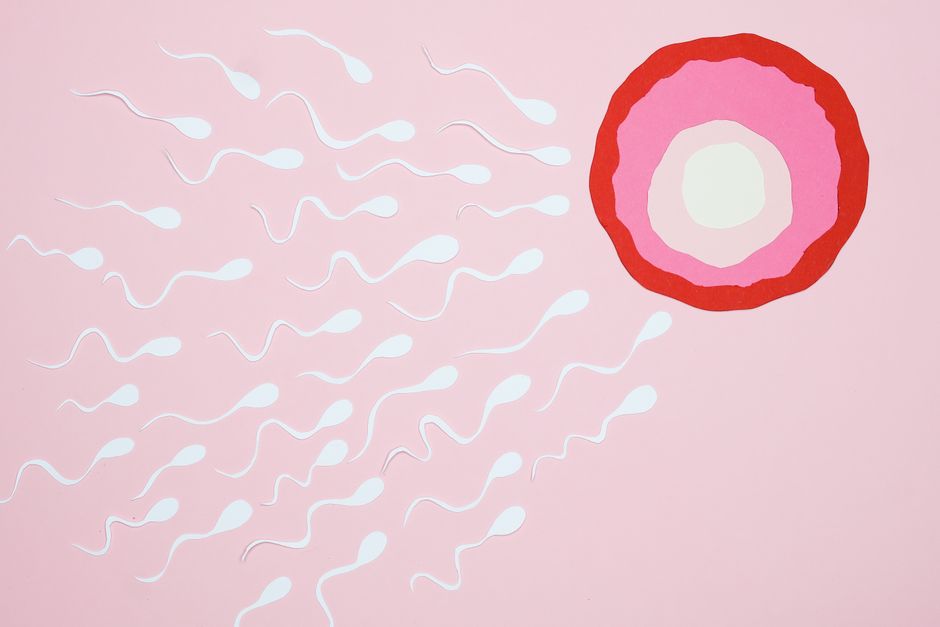
Endometriosis can affect fertility, but it does not always prevent pregnancy. The condition is found in a significant share of women who seek help for infertility, and it can interfere with fertility in several ways at once. At the same time, many women with endometriosis conceive naturally, and many more conceive with treatment.
The short answer: endometriosis can impair fertility through inflammation, scar tissue, and damage to the ovaries and fallopian tubes, but it usually does not stop ovulation itself. Ovulation often continues normally even in advanced disease. The problem is more often what happens to the egg, the tube, or the environment around them.
What Is Endometriosis?
Endometriosis is a condition in which tissue similar to the lining of the uterus grows outside the uterus. It most commonly appears on the ovaries, the fallopian tubes, the tissue lining the pelvis, and the ligaments that support the uterus. In rare cases it can appear in more distant parts of the body.
This tissue responds to hormonal signals the same way the uterine lining does. It thickens and bleeds with each menstrual cycle. But because it sits outside the uterus, the blood has no way to leave the body. That triggers inflammation, irritation, and over time, scar tissue and adhesions — bands of tissue that can bind organs together.
The severity of symptoms does not reliably match the amount of disease. Some women with extensive endometriosis have little pain. Others with minimal disease have severe pain. This mismatch is one of the reasons diagnosis is often delayed.
Does Endometriosis Stop Ovulation?
For most women with endometriosis, ovulation continues. The ovaries still release eggs on a regular cycle in the large majority of cases. This is an important point because it is widely misunderstood.
That said, endometriosis can disrupt ovulation in some women. Here is how:
- Endometriomas — cysts formed by endometriosis on the ovaries — can damage healthy ovarian tissue and reduce the number of eggs available.
- Chronic inflammation in the pelvis can interfere with the normal hormonal signaling that triggers egg release.
- Surgical treatment of endometriosis, especially on the ovaries, can reduce ovarian reserve if it removes healthy tissue along with the disease.
Some research suggests that women with endometriosis are more likely to have irregular ovulation or a shorter luteal phase — the second half of the cycle after ovulation. But the evidence on exactly how often this happens is not consistent across studies. What is clear is that ovulation problems are not the main way endometriosis affects fertility for most women.
How Does Endometriosis Affect Fertility?
Endometriosis can reduce the chance of pregnancy through several mechanisms. These often overlap, which is why the effect on fertility varies so much from person to person.
Inflammation. Endometriosis creates a chronically inflamed pelvic environment. Inflammatory chemicals can affect sperm function, egg quality, and the ability of an embryo to implant in the uterine lining. This is thought to be one of the main reasons fertility is reduced even in mild disease.
Scar tissue and adhesions. Over time, endometriosis can cause adhesions that distort the pelvis. These can pull the ovaries away from the fallopian tubes or block the tubes entirely, preventing the egg and sperm from meeting.
Fallopian tube damage. Endometriosis can damage or block the fallopian tubes. When tubes are blocked, natural conception becomes very unlikely or impossible on that side.
Reduced egg quality and ovarian reserve. Endometriomas and the inflammation around them can harm the ovarian tissue that produces eggs. Some studies indicate that women with endometriosis have a lower egg yield during IVF compared with women without the condition, though pregnancy rates per embryo transferred are often similar.
Implantation problems. Even when an embryo reaches the uterus, the inflammatory environment and changes in the uterine lining may make implantation less likely. The evidence here is still developing.

Does the Stage of Endometriosis Predict Fertility?
Not reliably. This is one of the most important things to understand about endometriosis and fertility.
Endometriosis is staged from I to IV based on how much disease is visible and how much scar tissue is present. Stage IV is the most severe. But the stage does not predict who will conceive and who will not.
Women with stage I or II endometriosis can struggle to conceive. Women with stage III or IV can sometimes conceive naturally. The reasons are not fully understood, but inflammation and egg quality appear to matter more than the amount of visible disease.
This is why treatment decisions should not be based on stage alone. What matters more is the specific location of the disease, whether the tubes are open, ovarian reserve, age, and other fertility factors.
Can You Get Pregnant With Endometriosis?
Yes. Many women with endometriosis get pregnant, both naturally and with fertility treatment. Endometriosis reduces the odds of pregnancy on average, but it does not make pregnancy impossible.
How much it reduces the odds depends on several factors:
- Whether the fallopian tubes are open and functioning
- Ovarian reserve and egg quality
- Whether there is an endometrioma
- Age, which affects fertility independently of endometriosis
- Whether a male factor is also present
- Whether painful symptoms interfere with regular intercourse
For some women, the pain and discomfort of endometriosis make intercourse difficult or painful, which can reduce the frequency of trying to conceive. That is a practical barrier, separate from the biological effects of the disease.
What Fertility Treatments Are Used for Endometriosis?
Treatment depends on the individual. There is no single approach that works for everyone.
Surgery. Laparoscopic surgery can remove endometriosis tissue and adhesions. This may improve fertility in some women, particularly when adhesions are distorting the pelvis or blocking the tubes. But surgery on the ovaries carries a risk of reducing ovarian reserve, so it needs to be weighed carefully — especially in women who plan to use IVF afterward.
IVF. In vitro fertilization bypasses the fallopian tubes entirely by fertilizing eggs outside the body and transferring an embryo to the uterus. IVF is often recommended when the tubes are damaged or when other treatments have not worked. It does not treat endometriosis itself, but it can work around some of its effects on fertility.
Medication. Hormonal medications that suppress endometriosis — such as GnRH agonists — can reduce pain and shrink lesions, but they prevent pregnancy while you are taking them. They are not a fertility treatment on their own. Some clinicians use them before IVF to improve conditions, but the evidence on whether this improves live birth rates is mixed.
Expectant management. For some women with mild endometriosis and no other fertility problems, simply continuing to try may be reasonable for a period of time. This depends on age and how long the couple has been trying.
What Should You Do If You Have Endometriosis and Want to Conceive?
Talk to a doctor who understands both endometriosis and fertility. A reproductive endocrinologist or a gynecologist with fertility expertise can assess your specific situation.
Key steps usually include:
- Checking whether your fallopian tubes are open
- Assessing ovarian reserve with blood tests and ultrasound
- Evaluating your partner’s fertility as well
- Considering your age and how long you have been trying
- Discussing whether surgery, IVF, or another approach makes sense for you
Do not assume that a diagnosis of endometriosis means you cannot have children. It means the path may be different, and possibly longer, than for someone without the condition. But the majority of women with endometriosis who want to have children are able to, often with some form of assistance.
Also worth knowing: pregnancy does not cure endometriosis. Symptoms may improve during pregnancy because of hormonal changes, but they often return afterward. This is a common myth worth correcting.
Frequently Asked Questions
Does endometriosis stop you from ovulating?
In most cases, no. Ovulation usually continues normally, though endometriosis can disrupt it in some women through inflammation or ovarian damage. Ovulation problems are not the main reason endometriosis affects fertility.
Can you get pregnant naturally with endometriosis?
Yes, many women with endometriosis conceive without medical help. The condition can lower the odds of pregnancy, but it does not make natural conception impossible.
Does the stage of endometriosis determine whether you can get pregnant?
No. The stage does not reliably predict fertility. Women with mild endometriosis can struggle to conceive, and women with severe endometriosis can conceive naturally.
Does pregnancy cure endometriosis?
No. Pregnancy does not cure endometriosis. Symptoms may improve during pregnancy due to hormonal changes, but they often return after delivery.
