
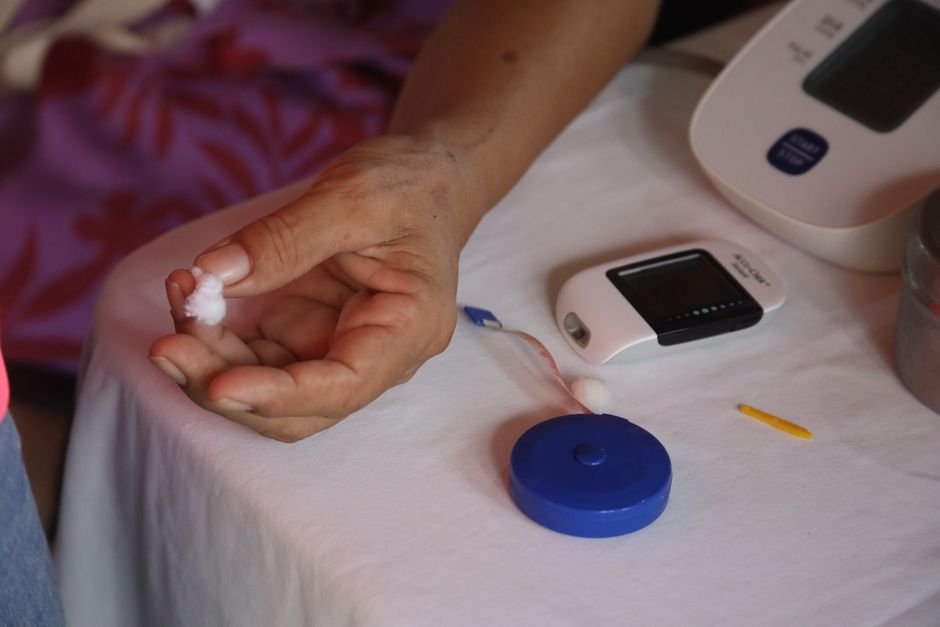
Testing your blood glucose is a simple process that involves pricking your finger, placing a drop of blood on a test strip, and reading the result on a meter. The numbers you get tell you how much sugar is in your blood at that moment, with normal fasting levels typically between 70 and 100 mg/dL. This guide walks you through the exact steps and explains what each number means for your health.
What Are the Exact Steps to Test Your Blood Glucose?
The process is straightforward but getting it right matters for accurate results. Start by washing your hands with warm soapy water and drying them completely. Food residue or hand lotion can alter the reading significantly.
Insert a test strip into your meter. Most meters turn on automatically when you do this. Use the lancet device to prick the side of your fingertip — not the pad, which has more nerve endings and hurts more. Squeeze gently from the base of your finger until a small drop of blood forms. Touch the edge of the test strip to the blood drop until the meter beeps or shows it has enough blood.
Within five seconds, your meter displays a number. Record this number in a logbook or app along with the time of day and whether you ate recently. The CDC recommends washing hands before every test because even trace amounts of sugar on your fingers can skew results by 10 percent or more.
What Do the Numbers on Your Glucose Meter Actually Mean?
The American Diabetes Association sets clear targets for most adults. A fasting blood glucose level between 70 and 100 mg/dL is considered normal. Between 100 and 125 mg/dL indicates prediabetes. A reading of 126 mg/dL or higher on two separate tests suggests diabetes.
After eating, your blood sugar rises temporarily. Two hours after a meal, a normal reading is below 140 mg/dL. Between 140 and 199 mg/dL indicates impaired glucose tolerance, and 200 mg/dL or higher suggests diabetes.
One number that scares people is anything below 70 mg/dL. That is hypoglycemia, or low blood sugar. It can cause shakiness, confusion, and fainting. If you see this number and feel symptoms, eat 15 grams of fast-acting carbs like glucose tablets or fruit juice and retest after 15 minutes.
Research published in Diabetes Care found that keeping blood glucose below 154 mg/dL two hours after meals significantly reduces the risk of long-term complications like nerve damage and kidney disease. Your target may differ if you are pregnant, elderly, or have other health conditions. Your doctor sets your personal goals.
How Often Should You Test Your Blood Glucose?
How often you test depends on your health status and treatment plan. People with type 1 diabetes typically test four to ten times per day. Those with type 2 diabetes on insulin may test two to four times daily. People with prediabetes or well-controlled type 2 diabetes may test only once or twice a week.
The key times to test are fasting in the morning, before meals, two hours after meals, and before bed. Testing at these times gives you a complete picture of how your body handles glucose throughout the day. Some people also test before and after exercise to understand how physical activity affects their levels.
A 2021 study in JAMA Internal Medicine found that people with type 2 diabetes who tested at least twice daily had better blood sugar control than those who tested less frequently. But testing more often without adjusting your behavior does not help. The value comes from using the numbers to make decisions about food, activity, and medication.





What Factors Can Mess Up Your Blood Glucose Readings?
Several common mistakes lead to inaccurate readings. The most frequent one is not washing hands. A study in Diabetes Technology & Therapeutics found that unwashed hands can produce readings up to 11 percent higher than the true value. Even fruit juice residue from breakfast can linger on your fingers for hours.
Expired test strips are another problem. Test strips have a shelf life and using them past the expiration date produces unreliable results. Store strips in their original container away from heat and humidity. Do not leave them in a hot car or bathroom.
Insufficient blood on the strip is a third issue. If you do not apply enough blood, the meter may give an error or an inaccurate reading. If you squeeze your finger too hard, you may get tissue fluid instead of blood, which dilutes the sample and lowers the reading.
Altitude, temperature extremes, and dehydration can also affect readings. Most meters work best between 50°F and 104°F. If you live at high altitude or exercise in extreme conditions, check your meter manual for specific guidance.
What Is the Difference Between Fasting, Post-Meal, and A1C Numbers?
Blood glucose testing gives you a snapshot of one moment. The A1C test gives you a three-month average. Both are important but they measure different things.
Fasting glucose tells you how well your body manages sugar when you have not eaten for at least eight hours. It reflects your liver’s glucose production and your baseline insulin sensitivity. Post-meal glucose shows how your body handles a carbohydrate load. A1C measures how much glucose has attached to your red blood cells over the past two to three months.
Here is a comparison of these three measures and what they indicate:
| Test | Normal | Prediabetes | Diabetes |
|---|---|---|---|
| Fasting Glucose | 70-100 mg/dL | 100-125 mg/dL | 126+ mg/dL |
| Post-Meal (2 hr) | Below 140 mg/dL | 140-199 mg/dL | 200+ mg/dL |
| A1C | Below 5.7% | 5.7-6.4% | 6.5%+ |
Some people have normal fasting glucose but high post-meal readings. This is called impaired glucose tolerance and it is an early warning sign. The A1C test catches this pattern better than fasting glucose alone. The CDC recommends that adults over 45 get an A1C test every three years, or earlier if you have risk factors like obesity or a family history of diabetes.
Common Misconceptions About Blood Glucose Testing
A widespread myth is that you only need to test if you feel symptoms. Many people assume they will feel high or low blood sugar. But research shows that symptoms are unreliable. A study in Diabetes Care found that 40 percent of people with type 2 diabetes could not accurately guess their blood sugar level based on symptoms alone.
Another misconception is that a single high reading means you have diabetes. Stress, illness, lack of sleep, and even a large meal can cause temporary spikes. One high reading warrants repeating the test, not a diagnosis. Doctors diagnose diabetes only after two separate abnormal tests or an A1C above 6.5 percent.
Some people believe that testing once a day at the same time is enough. This gives you limited information. Blood glucose fluctuates throughout the day based on what you eat, when you exercise, and your stress levels. Testing at different times gives a fuller picture. If you test only in the morning, you miss post-meal spikes that may be driving your A1C up.
A final myth is that glucose monitors are all the same. They are not. Meters vary in accuracy by up to 15 percent according to FDA standards. Some meters are more accurate at high or low ranges. If your readings seem inconsistent with how you feel, check your meter against a lab test at your next doctor visit.
Frequently Asked Questions
How do I know if my glucose meter is accurate?
Bring your meter to your next doctor appointment and test your blood within five minutes of a lab blood draw. Compare your meter reading to the lab result.
Can I reuse lancets or test strips?
No. Reusing lancets increases infection risk and dulls the needle. Reusing test strips gives inaccurate readings because the chemical reaction only works once.
What should I do if my blood sugar is over 300 mg/dL?
Drink water, avoid eating more carbohydrates, and retest in one hour. If it stays above 300 mg/dL or you have symptoms like nausea or confusion, call your doctor.
Does the finger I use affect the reading?
Yes. Readings can vary by up to 10 percent between fingers. Use the same finger consistently for the most reliable trend data.
