

How Does a Five Panel Drug Test Work?
The test typically uses a method called immunoassay. This technique uses antibodies designed to react with specific drugs or their breakdown products, known as metabolites. When you consume a drug, your body breaks it down into metabolites, which then travel through your bloodstream and are filtered out by your kidneys into your urine.
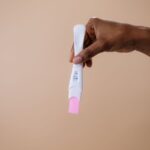
The test strip contains antibodies that will bind to these metabolites if they are present in your urine sample. If the drug is present above a certain cutoff level, the test produces a positive result. The cutoff level is the concentration threshold set to distinguish between actual drug use and accidental exposure, such as secondhand marijuana smoke. These levels are standardized to reduce false positives, but they are not perfect. The test is designed to be fast and cost-effective, making it ideal for routine workplace screening.
What Does a Five Panel Drug Screen Test For?
The five categories in this panel are consistent across most testing programs. Understanding what is included in a five panel drug screen helps clarify what an employer or clinician is looking for.
- Marijuana (THC): This detects the psychoactive compound in cannabis. The metabolite, THC-COOH, can remain in urine for several days to several weeks depending on usage frequency.
- Cocaine: This tests for the presence of benzoylecgonine, a metabolite of cocaine. It typically appears in urine within hours of use and can be detected for two to four days.
- Opiates: This category covers drugs derived from the opium poppy, including heroin, codeine, and morphine. The test looks for morphine, which is a common breakdown product for these substances. It is important to note that this standard panel does not usually detect synthetic opioids like fentanyl or semi-synthetic ones like oxycodone unless specifically added.
- Amphetamines: This tests for stimulants like methamphetamine and amphetamine. These drugs are typically detectable in urine for one to two days after use.
- Phencyclidine (PCP): This is a dissociative anesthetic drug. While less common than the others, it is included because of its potential for severe behavioral effects. It can stay in the system for up to two weeks or longer in chronic users.
What Is Not Included in a Five Panel Test?
A five panel drug screen does not test for many substances that are increasingly common. It does not include alcohol, benzodiazepines (like Xanax or Valium), barbiturates, methadone, or synthetic drugs like MDMA (ecstasy) and LSD. It also misses synthetic cannabinoids (often called “Spice” or “K2”) because their chemical structures are different from THC and require separate testing.
This is a significant limitation. Many employers now choose expanded panels, such as ten-panel tests, which add benzodiazepines, barbiturates, methadone, propoxyphene, and sometimes oxycodone. If you are taking a prescription medication that is not on the five-panel list, it will not trigger a positive result. However, if you are taking a prescription opiate for pain, such as codeine, it may show up as a positive because it falls under the opiate category.

Can Food or Over-the-Counter Medications Cause a False Positive?
False positives are possible, though not common. The most well-documented issue involves poppy seeds. Because poppy seeds can contain trace amounts of morphine and codeine, eating a poppy seed bagel or muffin shortly before a test can produce a positive opiate result. Most testing labs use a higher cutoff level to reduce this risk, but it is not entirely eliminated.
Certain over-the-counter cold medications containing dextromethorphan (a cough suppressant) can sometimes cross-react with the PCP test. Similarly, some nasal decongestants containing pseudoephedrine can potentially cause a false positive for amphetamines, though modern tests are more specific and less likely to do so. If you take prescription medications, you should always inform the testing facility. If you receive a positive result that you believe is incorrect, you have the right to request a confirmatory test, usually performed using a more precise method called gas chromatography-mass spectrometry (GC-MS).
How Long Do Drugs Stay in Your System?
Detection times vary widely based on the drug, the person, and the frequency of use. These are general windows, not guarantees. For a single use, marijuana may be detectable for one to three days. For regular users, it can be detected for 30 days or more because THC is stored in fat cells and released slowly. Cocaine is usually detectable for two to four days. Opiates are typically gone within one to three days. Amphetamines are usually detectable for one to two days. PCP can be detected for up to two weeks in frequent users.
Factors that influence these windows include your metabolism, body mass, hydration level, and kidney function. Drinking large amounts of water before a test may dilute your urine, but labs check for dilution and may require a retest. There is no reliable way to speed up the elimination of drugs from your body. Products marketed as detox drinks or cleansing kits have no clinical evidence supporting their effectiveness.
What Happens If You Get a Positive Result?
A positive result on a five panel drug screen is not an automatic confirmation of drug use. The initial test is a screening tool. If it comes back positive, the sample is typically sent to a laboratory for a confirmatory test using gas chromatography-mass spectrometry. This method is highly specific and can identify the exact molecular structure of the substance, virtually eliminating the risk of a false positive from cross-reacting medications.
The consequences of a confirmed positive depend on the context. In workplace settings, it may result in denial of employment, termination, or being required to complete a substance abuse program. In clinical settings, a positive result may lead to a conversation about treatment options. In legal or athletic contexts, it could have disciplinary implications. You should be aware of your rights regarding drug testing in your state, as laws vary significantly.
Is a Five Panel Test the Right Choice?
The five panel test is a standard and reliable option for basic screening. It covers the drugs that federal agencies have historically considered the most commonly abused. However, it is not comprehensive. If you are concerned about specific substances, such as synthetic opioids or benzodiazepines, you should ask about an expanded panel.
For individuals undergoing testing, the most important thing is to be honest about any prescription or over-the-counter medications you are taking. This information helps the medical review officer interpret the results accurately. If you have a legitimate prescription for a drug that falls into one of the tested categories, you can provide documentation to the testing facility before the test, which may help avoid unnecessary complications.
Frequently Asked Questions
How accurate is a five panel drug test?
As a screening tool, it is highly accurate at detecting the presence of the five drug classes. Positive results always require a confirmatory test to be considered definitive.
Can CBD oil cause a positive result on a five panel test?
Pure CBD should not trigger a positive result for marijuana. However, some CBD products contain trace amounts of THC that can accumulate and cause a positive test.
How long does it take to get results from a five panel drug test?
A rapid point-of-care test can produce results in minutes. If the sample is sent to a laboratory for confirmation, results typically take one to three business days.
Does a five panel drug test test for alcohol?
No. Alcohol is not part of a standard five panel drug test and requires a separate breath, blood, or urine test to detect.
