
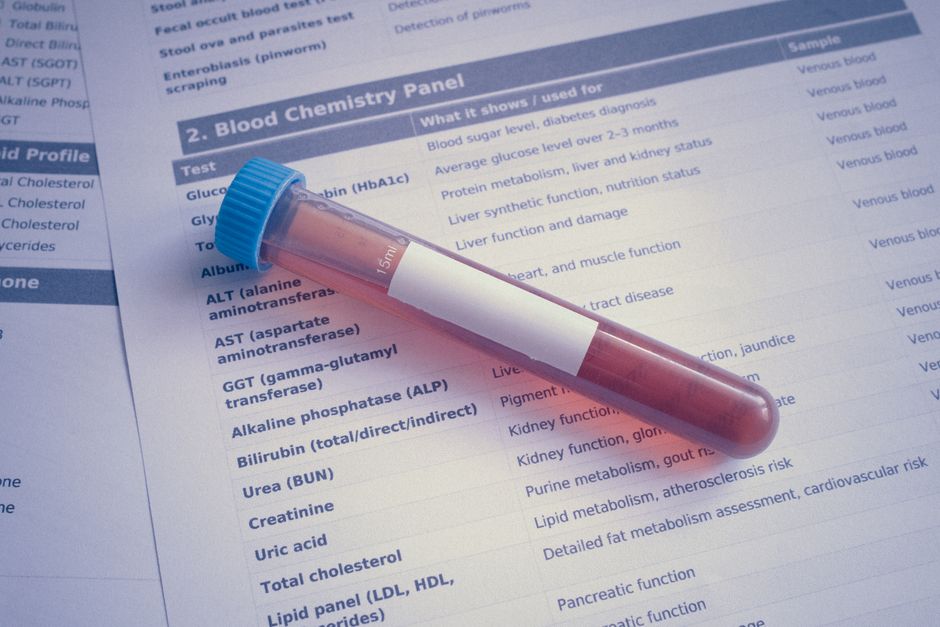
An HDF panel is a blood test that measures how well your kidneys are filtering waste. HDF stands for hemodiafiltration, a dialysis treatment, and a panel is a set of lab measurements. The name gets used in two different ways, and that confusion is worth clearing up first. In everyday lab work, an “HDF panel” usually refers to kidney function tests tied to dialysis care. It is not a single standardized test with one fixed definition. What it includes depends on the lab and the clinical setting.
What Is An Hdf Panel A Medical Diagnostic Test?
An HDF panel is a group of blood measurements used to check kidney function, especially in people receiving hemodiafiltration or other forms of dialysis. It typically includes markers like creatinine, blood urea nitrogen (BUN), and electrolytes such as potassium and sodium. Some panels also track albumin, calcium, phosphorus, and hemoglobin.
The term is not standardized across laboratories. One lab’s HDF panel may include a slightly different set of tests than another’s. This matters because a patient searching for a precise definition will find that no single universal list exists.
Hemodiafiltration itself is a dialysis technique that combines standard dialysis with filtration. It removes waste products and excess fluid from the blood. The “panel” part refers to the lab work that monitors how well that process is working and how the patient’s body is responding.
What Does An HDF Panel Actually Measure?
The core purpose is to track kidney function and the balance of substances the kidneys normally regulate. When kidneys fail, those substances build up or fall out of range, and the panel catches that.
Common components include:
- Creatinine — a waste product from muscle breakdown. Rising levels suggest reduced filtering.
- Blood urea nitrogen (BUN) — another waste product. It reflects how well dialysis is clearing urea.
- Potassium — a mineral that must stay in a narrow range. High or low levels can affect the heart.
- Sodium and other electrolytes — these control fluid balance and nerve and muscle function.
- Albumin — a protein that reflects nutritional status and inflammation.
- Calcium and phosphorus — minerals that go out of balance in kidney disease and affect bone health.
- Hemoglobin — the oxygen-carrying protein in red blood cells. Kidney disease often lowers it.
Not every HDF panel includes all of these. The exact list is set by the ordering clinician and the laboratory. A dialysis unit may run a broader set than a general clinic.
Why Is An HDF Panel Ordered?
An HDF panel is ordered to monitor kidney function over time and to guide dialysis treatment. It helps clinicians see whether waste products are being cleared adequately and whether electrolyte levels are staying safe.
For someone on hemodiafiltration, regular lab work is part of routine care. The results inform decisions about dialysis settings, fluid removal, diet, and medications. For example, a high potassium level might prompt a closer look at diet or treatment adjustments.
The panel can also be ordered when kidney disease is suspected, though in that case a more standard set of kidney function tests is usually used first. The specific “HDF panel” label is most often tied to dialysis monitoring rather than initial diagnosis.





How Does Hemodiafiltration Differ From Standard Dialysis?
Hemodiafiltration combines two processes: diffusion, which is the main mechanism in standard hemodialysis, and convection, which uses a pressure gradient to filter out larger molecules. Standard hemodialysis relies mostly on diffusion.
The convection part allows hemodiafiltration to remove some middle-sized molecules that standard dialysis clears less effectively. Whether this translates into better long-term outcomes has been studied, and the evidence is mixed. Some trials suggest possible benefits; others have not shown clear advantages over high-flux hemodialysis. The clinical picture is not settled.
This distinction matters for understanding the panel. Because hemodiafiltration removes a different profile of substances, the lab monitoring may focus on markers that reflect that clearance. But the core kidney and electrolyte markers remain similar to those in standard dialysis care.
What Do The Results Mean?
Results are interpreted against reference ranges set by the laboratory, and those ranges can vary. A value outside the range does not automatically mean something is wrong; it means the clinician needs to look at the whole picture.
Some general interpretations:
- High creatinine and BUN can indicate reduced kidney clearance or inadequate dialysis.
- Abnormal potassium needs attention because of its effect on heart rhythm.
- Low albumin can point to poor nutrition or ongoing inflammation.
- High phosphorus is common in kidney disease and is linked to bone and blood vessel problems over time.
- Low hemoglobin can signal anemia, which is common in kidney disease.
These are patterns, not diagnoses. A single result rarely tells the full story. Trends over time are often more useful than one snapshot.
Is An HDF Panel The Same As A Standard Kidney Panel?
No. A standard kidney panel, often called a renal panel or basic metabolic panel, is a defined set of tests used broadly in medicine. An HDF panel is more specific to dialysis monitoring and is not a universally standardized test.
This is where the terminology gets loose. Some labs and clinics use “HDF panel” informally to describe the blood work done around hemodiafiltration sessions. Others may not use the term at all. If you see it on a lab order, the safest step is to ask the ordering clinician exactly which tests are included.
There is no single national standard that defines the exact contents of an “HDF panel.” That is an honest limitation, not a marketing point. Anyone presenting it as a fixed, universal test is oversimplifying.
What Should You Ask Your Doctor?
If an HDF panel is ordered for you or a family member, ask which specific tests are included and why each one is being checked. Ask how the results will change your care.
Useful questions include:
- Which tests are in this panel?
- How do these results compare with my last set?
- Will these results change my dialysis settings, diet, or medications?
- Are there values I should watch between appointments?
Lab work is a tool, not an answer by itself. The value comes from how the clinician uses it alongside symptoms, physical exams, and the broader treatment plan.
Are There Risks Or Limitations?
The blood draw itself carries minor, common risks: brief discomfort, slight bruising, and rarely lightheadedness. These are typical of any blood test.
The bigger limitation is interpretive. An HDF panel shows numbers at one point in time. It does not capture how you feel, your fluid status between sessions, or how well your overall treatment is working. Results can also be affected by timing relative to dialysis, recent meals, and other factors.
No lab panel replaces clinical judgment. That is true for HDF panels and for every other blood test.
Frequently Asked Questions
What is an HDF panel used for?
It is used to monitor kidney function and electrolyte balance, most often in people receiving hemodiafiltration or other dialysis. The results help guide treatment adjustments.
Is an HDF panel a standard test?
No. There is no single universal definition, and the exact tests included can vary by laboratory and clinical setting. Ask your clinician which tests are in your specific panel.
Does an HDF panel hurt?
It requires a standard blood draw, which causes brief discomfort and sometimes minor bruising. Serious complications from routine blood draws are uncommon.
Can an HDF panel diagnose kidney disease?
It can show markers that suggest reduced kidney function, but diagnosis usually relies on a broader set of tests and clinical evaluation. A single panel is not a diagnosis on its own.
