
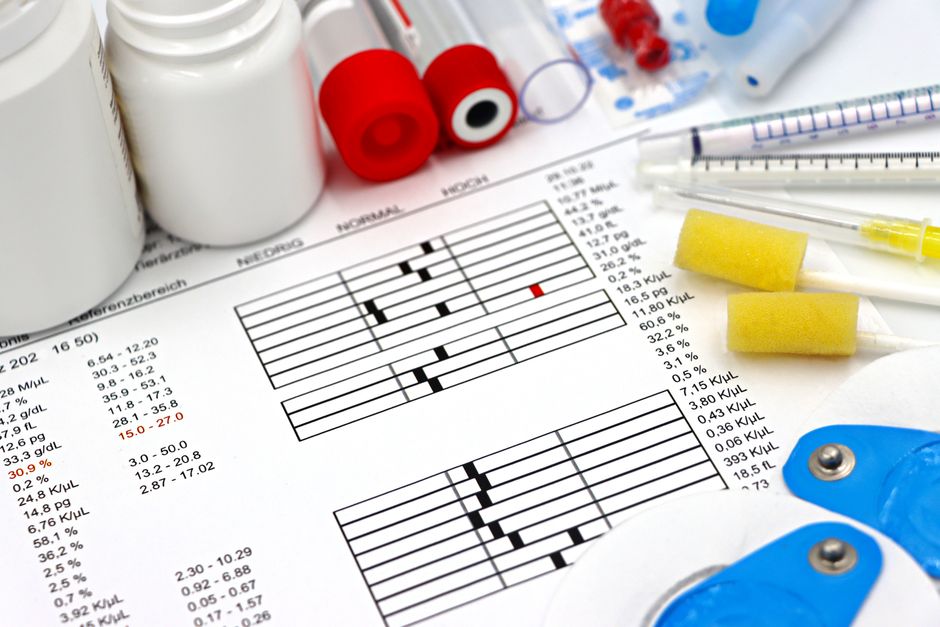
Most standard drug tests do not detect alcohol. The urine and saliva panels used for pre-employment screening, random workplace testing, and many legal proceedings are built to find drugs like cannabis, opioids, cocaine, and amphetamines — not ethanol. Alcohol leaves the body too quickly and behaves too differently from those substances for a standard drug panel to catch it reliably. If someone needs to test for alcohol specifically, a different test is used. That distinction matters, because people often assume a “drug test” covers everything.
Do Drug Tests Test Alcohol?
No. A standard drug test does not test for alcohol. The typical five-panel urine screen looks for amphetamines, cocaine, marijuana, opioids, and phencyclidine (PCP). Expanded panels add substances like benzodiazepines, barbiturates, methadone, and ecstasy. Alcohol is not on these lists.
The reason is practical rather than arbitrary. Alcohol is a small molecule that the body clears quickly. Most of it is gone within hours. Drugs like cannabis or opioids can be detected in urine for days or weeks after use because they leave behind metabolites that linger. Alcohol’s main metabolite, ethyl glucuronide, does stay in urine longer than alcohol itself, but standard workplace panels are not designed to look for it.
So a person can drink heavily the night before a standard drug test and still pass it. That does not mean the test is flawed. It means the test was never designed to measure alcohol. Employers or courts that want to know about drinking have to order an alcohol-specific test.
Why Standard Drug Panels Leave Alcohol Out
Drug panels are built around what the requesting organization wants to know. Workplace testing programs usually target substances that impair performance and carry safety or legal risk over a longer window. Alcohol is handled separately because it is legal for adults, widely used, and cleared from the body fast enough that a single test only reflects recent hours.
There is also a chemistry issue. Standard immunoassay screens — the first-line lab method used in most drug panels — are designed to detect specific drug classes by their molecular shape. Alcohol and its metabolites require different detection methods. You cannot simply add alcohol to a five-panel cup and expect it to work.
Some employers do run combined testing. A workplace might order a standard drug panel plus a breath alcohol test, or a urine test that includes an alcohol metabolite. But that is a deliberate choice, not a default. The presence of a drug test on a form tells you nothing about whether alcohol is included. You have to read what the panel actually covers.
What Tests Actually Detect Alcohol?
Alcohol testing uses its own tools, each with a different detection window and purpose. The right test depends on what question is being asked — recent impairment, recent drinking, or a pattern of use over weeks.
- Breath alcohol test. Measures alcohol in exhaled breath and reflects blood alcohol concentration at the moment of testing. It detects recent drinking, typically within hours. This is the test used by law enforcement and many workplaces for cause or post-incident screening.
- Blood alcohol test. Measures ethanol directly in the blood. It is the most precise measure of current intoxication, but it requires a blood draw and only reflects very recent drinking.
- Urine alcohol test. Can measure ethanol itself (short window) or metabolites like ethyl glucuronide, which remain detectable longer than alcohol. Detection windows vary by test and by how much was consumed.
- Hair testing. Can indicate a pattern of heavier drinking over a longer period by detecting ethyl glucuronide in hair. It is used in some legal, custody, and rehabilitation contexts. It is not part of routine workplace panels.
The key point: each of these is a separate test ordered for a separate reason. None of them comes bundled inside a standard drug screen unless someone specifically requested it.


How Long Can Alcohol Be Detected?
Alcohol itself clears from the body faster than most people expect. The liver processes ethanol at a fairly steady rate, and blood alcohol typically falls to zero within several hours of the last drink. The exact time depends on how much was consumed, body size, food intake, and individual metabolism. There is no single number that applies to everyone.
Metabolites change the picture. Ethyl glucuronide and other markers can remain detectable in urine for longer than alcohol itself — sometimes a day or more after drinking, depending on the amount consumed and the sensitivity of the test. Hair testing looks back over a much longer window, measured in weeks to months, because hair grows slowly and incorporates markers over time.
This is where a lot of online “detox” advice goes wrong. Products marketed to help someone pass an alcohol test — extra water, herbal cleansers, supplements — have no clinical evidence supporting them. Drinking large amounts of water can dilute a urine sample, but labs often flag diluted samples as invalid, and dilution does not change a breath or blood result. No product has been shown to speed alcohol clearance in a way that defeats a properly conducted test.
Can You Fail a Drug Test From Alcohol?
You cannot fail a standard drug panel because of alcohol, because alcohol is not on it. But you can fail an alcohol-specific test, and there are situations where a drug test result gets complicated by drinking.
Some laboratory tests can be affected by recent alcohol use in indirect ways. Liver enzyme markers, for example, can rise with heavy drinking, and a test that measures those markers might show an abnormal result. That is not the same as a positive alcohol test, but it can trigger follow-up questions. Separately, some urine drug screens use methods that can occasionally produce unexpected results, and labs confirm any presumptive positive with a more specific method before reporting it.
The practical reality is this: if the test in front of you is a standard drug panel, alcohol is not part of it. If the test is a breath, blood, urine-alcohol, or hair test, then alcohol is exactly what it is measuring, and recent drinking can absolutely produce a positive result.
What to Check Before an Alcohol or Drug Test
Read the test order or consent form. It will usually name the panel — for example, “five-panel urine drug screen” or “breath alcohol test.” That wording tells you what is being measured. If alcohol is not named, it is almost certainly not included.
If you are being tested for a legal, employment, or medical reason and you are unsure what is covered, ask the testing provider directly. They can tell you which substances the panel detects and which method is used. This is a reasonable question and one the provider should be able to answer plainly.
One clarification worth keeping in mind: a negative drug test does not mean a person has not been drinking, and a positive alcohol test does not mean a person uses illegal drugs. The two tests answer different questions. Treating them as interchangeable leads to wrong conclusions in both directions.
If you have concerns about your drinking or about a test result, a doctor or licensed clinician is the right person to talk to. This article is general information, not medical or legal advice.
Frequently Asked Questions
Does a 5-panel drug test include alcohol?
No. A standard five-panel urine drug test screens for amphetamines, cocaine, marijuana, opioids, and PCP, not alcohol. Alcohol requires a separate breath, blood, urine, or hair test.
Can you fail a drug test from drinking alcohol?
Not a standard drug panel, because alcohol is not on it. You can test positive on an alcohol-specific test, such as a breath or blood alcohol test, if you drank recently.
How long does alcohol stay detectable in a urine test?
Alcohol itself is usually cleared within hours, but metabolites like ethyl glucuronide can remain detectable longer, sometimes a day or more depending on how much was consumed. Detection windows vary by person and test.
Do employers test for alcohol?
Some do, but usually through a separate alcohol test rather than a standard drug panel. Whether alcohol is included depends on the employer’s policy and the specific test ordered.
