
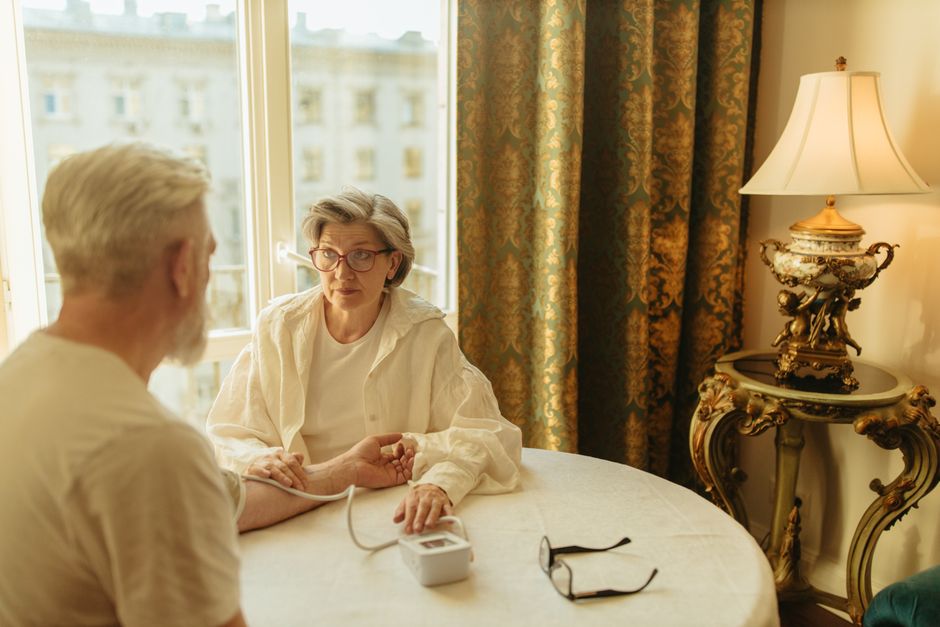
Yes, alcohol can raise your blood pressure, and the effect is not limited to heavy drinking. Even moderate drinking can cause a measurable increase in blood pressure over time. The relationship is consistent enough that medical guidelines identify alcohol as a modifiable risk factor for hypertension, meaning it is something you can control.
How Does Alcohol Raise Blood Pressure?
The exact mechanism is not fully understood, but several established pathways explain why alcohol affects blood pressure. When you drink, alcohol activates your sympathetic nervous system. This is the part of your body that controls the “fight or flight” response, and it causes your blood vessels to narrow.
Alcohol also affects the hormones that regulate blood pressure. It can increase levels of renin, an enzyme produced by the kidneys, which leads to the production of angiotensin. Angiotensin is a hormone that causes blood vessels to constrict and signals the body to retain sodium and water. More fluid in your bloodstream means more pressure against your artery walls.
Over time, repeated drinking can cause structural changes in the blood vessels themselves. The walls become stiffer and less flexible. Stiff arteries cannot expand to accommodate blood flow as easily, which drives pressure higher.
Is There a Safe Amount of Alcohol for Blood Pressure?
Research consistently shows that the relationship between alcohol and blood pressure is dose-dependent. This means the more you drink, the higher your blood pressure tends to go. However, the threshold where risk begins is lower than many people assume.
Studies have found that even one drink per day can be associated with a small increase in blood pressure in some people. The effect becomes more pronounced at higher intake levels. Heavy drinking, generally defined as more than three drinks per day, is clearly linked to higher blood pressure and a greater risk of developing hypertension.
Some older research suggested that very light drinking, such as one drink every few days, might have a protective effect on the heart. More recent and larger studies have challenged this idea. The current evidence suggests that any potential benefit is small and does not outweigh the risks, especially for blood pressure. The safest level of alcohol consumption for blood pressure control is none at all.
How Fast Does Alcohol Affect Blood Pressure?
Alcohol can affect your blood pressure in two distinct phases. A single drinking session can cause a temporary drop in blood pressure within a few hours. This happens because alcohol is a vasodilator in the short term, meaning it relaxes and widens blood vessels.
This temporary drop is why some people feel flushed or lightheaded after drinking. It is not a sign that alcohol is good for your blood pressure. The drop is brief.
As your body processes the alcohol, blood pressure typically rises above baseline. This rebound effect can last for several hours. Regular drinking keeps your blood pressure elevated for longer periods. The cumulative effect of daily drinking is what leads to chronic high blood pressure.



What Is Considered a Drink?
Understanding what counts as a drink is essential for evaluating your own intake. Standard drink sizes are based on the amount of pure alcohol, not the volume of the beverage.
| Beverage | Standard Drink Size |
|---|---|
| Beer | 12 ounces (about 5% alcohol) |
| Wine | 5 ounces (about 12% alcohol) |
| Distilled spirits | 1.5 ounces (about 40% alcohol) |
Many people pour more than a standard drink. A large glass of wine at a restaurant is often two or more standard drinks. Cocktails can contain several servings of spirits in a single glass. When researchers study alcohol and blood pressure, they are measuring standard drinks, not actual poured servings.
Does the Type of Alcohol Matter?
The type of alcohol does not change the core relationship with blood pressure. The active ingredient affecting your blood pressure is ethanol, and it is the same in beer, wine, and spirits.
Some marketing suggests that red wine is better for your heart because of antioxidants like resveratrol. The evidence for this is weak. Any antioxidant benefit is speculative and does not offset the blood pressure effects of the alcohol itself. Studies that compare different beverages generally find that blood pressure increases are related to the amount of alcohol consumed, not the source.
Can Quitting Alcohol Lower Blood Pressure?
Yes. Reducing or stopping alcohol intake can lower blood pressure, and the effect can appear relatively quickly. Some research has observed meaningful reductions in blood pressure within a few weeks of reducing alcohol consumption.
The amount of reduction depends on how much you were drinking. People who drink heavily tend to see larger drops in blood pressure when they stop. People who drink lightly may see a smaller change, but their blood pressure may still improve.
For people with high blood pressure who drink regularly, reducing alcohol is often one of the first lifestyle changes recommended by clinicians. It is a direct and effective intervention.
Alcohol and Blood Pressure Medications
If you take medication for high blood pressure, alcohol can interfere with how well it works. Drinking can make your blood pressure harder to control, even if you take your medication as prescribed.
Alcohol can also amplify the side effects of some blood pressure medications. Many of these medications can cause dizziness or lightheadedness, and alcohol can make these symptoms worse. This combination increases the risk of falls and fainting.
Some blood pressure medications interact with alcohol in more specific ways. For example, combining alcohol with certain beta-blockers or calcium channel blockers can cause a sudden drop in blood pressure. If you take blood pressure medication, you should discuss your alcohol use with your doctor to understand the specific risks for your medication.
Binge Drinking and Blood Pressure Spikes
Binge drinking, defined as consuming four or more drinks in about two hours for women and five or more for men, causes a particularly sharp rise in blood pressure. This spike can be dangerous, especially for people who already have high blood pressure or other heart conditions.
The blood pressure increase during a binge drinking episode is not just a temporary annoyance. It places acute stress on the arteries, heart, and kidneys. Repeated binge drinking contributes to permanent damage over time and is a strong predictor of developing chronic hypertension.
What to Do If You Drink Regularly
If you drink alcohol regularly, the most direct step for your blood pressure is to reduce your intake. Cutting back gradually can help, but the evidence suggests that the greatest benefit comes from stopping entirely.
If you choose to continue drinking, keep your intake as low as possible. Track how much you actually drink for a week. Most people underestimate their consumption. Use standard drink sizes as your reference, not your glass size.
If you have high blood pressure, talk to your doctor honestly about how much you drink. This information is medically relevant, and your doctor needs it to manage your condition effectively. There is no judgment in this conversation, only practical management of your health.
Frequently Asked Questions
How much does alcohol raise blood pressure?
The increase depends on how much you drink, but even one drink per day can cause a small rise in blood pressure over time. Heavier drinking causes larger increases and a higher risk of developing chronic hypertension.
Will my blood pressure go down if I stop drinking?
Yes, stopping alcohol can lower your blood pressure, and some people see improvement within a few weeks. The reduction is typically larger for people who were drinking heavily.
Is wine better for blood pressure than beer or spirits?
No. The type of alcohol does not matter because ethanol is the compound that raises blood pressure. Any claimed benefits of wine antioxidants are not strong enough to offset the blood pressure effects.
Can I drink alcohol while taking blood pressure medication?
Alcohol can make blood pressure medications less effective and can worsen side effects like dizziness. You should discuss your alcohol use with your doctor to understand the specific risks for your medication.
