
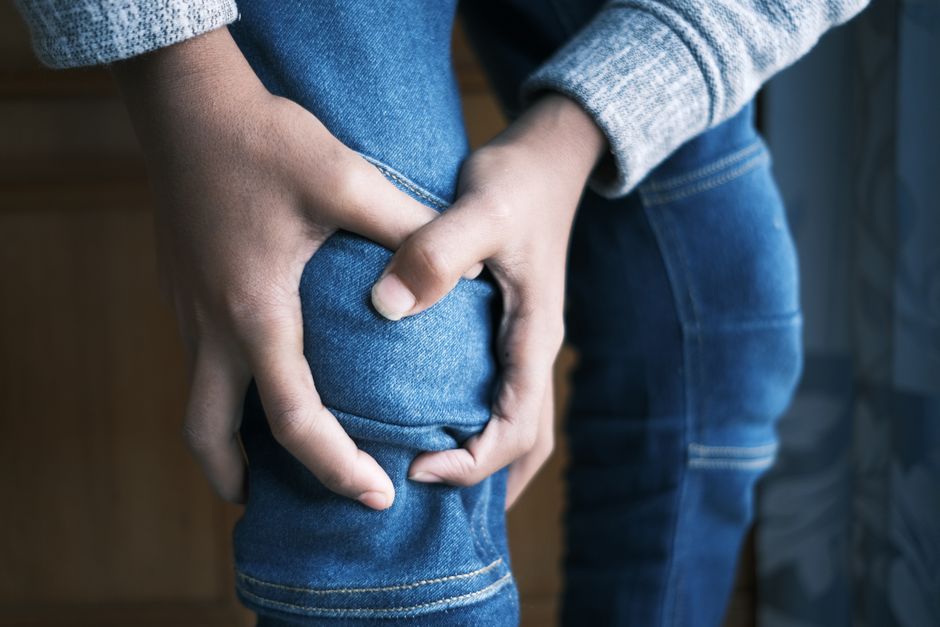
Left lower back pain in females is most often caused by muscle strain, ligament sprain, or issues with the sacroiliac joint. But the real answer is more complex because female anatomy and hormones create unique risk factors. Conditions like endometriosis, ovarian cysts, and pregnancy-related changes can all trigger pain that feels like it is coming from the lower back. The pain is real. The causes are often different than what men experience.
What Are the Most Common Causes of Left Lower Back Pain in Females?
Muscle strain is the most common cause. You twist wrong. You lift something heavy. You sit too long. The muscles on the left side of your lower back tighten up and hurt.
But female-specific causes matter more than most people realize. The uterus, ovaries, and fallopian tubes sit close to the lower back. When something goes wrong with these organs, the pain often radiates to the left lower back.
Endometriosis is one example. Tissue similar to the uterine lining grows outside the uterus. It can attach to ligaments near the spine. Research shows that up to 50 percent of women with endometriosis report chronic lower back pain. The pain often worsens during menstruation.
Ovarian cysts are another cause. A cyst on the left ovary can press on nearby tissues. This creates a dull ache that many women describe as back pain. Most cysts are harmless. But large cysts or ones that rupture need medical attention.
Pregnancy changes everything. The hormone relaxin loosens ligaments throughout the body. This includes the ligaments supporting the spine. The growing baby shifts the center of gravity forward. The lower back muscles work harder to keep you upright. Left-sided pain is common because of how the baby typically positions itself.
How Does the Menstrual Cycle Affect Left Lower Back Pain?
The menstrual cycle directly influences lower back pain in many women. This is not in your head. It is biology.
During the luteal phase, which happens after ovulation, progesterone levels rise. This hormone relaxes smooth muscles. It also causes water retention. The combination can make the lower back feel stiff and achy.
Prostaglandins are chemicals released during menstruation. They help the uterus contract to shed its lining. But these chemicals also cause inflammation. That inflammation can spread to the lower back. Left-sided pain is more common because the left ovary is more active in many women.
Some studies suggest that women with endometriosis have higher levels of prostaglandins in their pelvic area. This explains why the pain is often worse on one side. The left side is affected more frequently, though researchers are not sure why.
If your pain follows a monthly pattern, it is likely linked to your cycle. Track it for two or three months. If the pain consistently appears at the same time each month, mention this to your doctor.
What Role Do the Kidneys and Urinary Tract Play?
The left kidney sits near the lower back. A kidney infection or kidney stone can cause pain that feels exactly like muscular back pain.
Kidney infections usually cause other symptoms too. You might have a fever. You might feel nauseous. Urination might hurt or burn. The pain is often constant and does not change when you move or stretch.
Kidney stones can be trickier. Small stones may cause sharp waves of pain that come and go. The pain often starts in the back and moves to the lower abdomen or groin. Left-sided stones cause left-sided pain.
Urinary tract infections can also cause referred pain to the lower back. This is less common but happens when the infection spreads upward. If you have back pain along with urinary symptoms, get checked. Untreated kidney infections can become serious.
As of 2026, current research suggests that women are more likely than men to have silent kidney infections. These are infections without the typical burning or frequency. Back pain might be the only symptom. Do not ignore persistent one-sided back pain without other obvious causes.





Can Sciatica Cause Left Lower Back Pain in Females?
Yes, but it is not as common as people think. Sciatica is a specific condition. It happens when something presses on the sciatic nerve. That nerve runs from the lower back down the back of each leg.
The pain from sciatica usually travels. It starts in the lower back. It moves through the buttock. It goes down the leg. Sometimes it reaches the foot. If your pain stays only in the lower back and does not travel, it is probably not sciatica.
Piriformis syndrome is a related condition that affects women more than men. The piriformis muscle sits deep in the buttock. When it tightens or spasms, it can press on the sciatic nerve. This creates pain that feels like it comes from the lower back but is actually in the buttock area.
Women develop piriformis syndrome more often because of wider hips and different walking mechanics. Pregnancy can also trigger it. The hormone relaxin loosens the piriformis muscle, making it more likely to spasm.
A simple test can help tell the difference. Lie on your back. Lift your left leg straight up. If the pain gets worse, it might be sciatica. If the pain stays the same or gets better, the cause is more likely muscular or related to internal organs.
What Does the Research Say About Treatment Options?
Treatment depends entirely on the cause. There is no single fix for left lower back pain in females. The right approach depends on whether the pain comes from muscles, organs, or nerves.
For muscle-related pain, physical therapy works better than rest. Studies have found that gentle movement helps more than bed rest. Stretching the hamstrings and hip flexors can reduce strain on the lower back. Strengthening the core muscles provides better support for the spine.
For menstrual-related pain, nonsteroidal anti-inflammatory drugs like ibuprofen are effective. They block the prostaglandins that cause cramping and inflammation. Taking them a day before your period starts can prevent the pain from building up.
For endometriosis-related pain, hormonal treatments can help. Birth control pills reduce the growth of endometrial tissue. Some women need surgery to remove the tissue. The choice depends on how severe the pain is and whether you plan to get pregnant.
For kidney-related pain, antibiotics or stone removal is necessary. Pain relievers only mask the problem. You need to treat the underlying infection or stone.
| Cause | Best First Treatment | When to See a Doctor |
|---|---|---|
| Muscle strain | Gentle stretching, heat, physical therapy | Pain lasts more than 2 weeks |
| Menstrual cramps | NSAIDs, heat pack, gentle exercise | Pain interferes with daily life |
| Endometriosis | Hormonal birth control, pain management | Pain gets worse over time |
| Kidney infection | Antibiotics prescribed by doctor | Fever, nausea, or urinary symptoms |
| Sciatica | Physical therapy, nerve flossing exercises | Numbness or weakness in leg |
When Should You Worry About Left Lower Back Pain?
Most lower back pain is not dangerous. But some situations need immediate medical attention.
Go to the emergency room if you have back pain with fever or chills. This could mean a kidney infection or spinal infection. Both need treatment right away.
Seek help if the pain comes with numbness or weakness in your legs. This could indicate nerve compression that might need surgery. Loss of bladder or bowel control is another red flag. It suggests cauda equina syndrome, which is rare but serious.
See your doctor within a week if the pain wakes you up at night. Most muscle pain gets better when you lie down. Pain that gets worse at night is more concerning. It could mean an infection or a tumor, though these are uncommon.
Get checked if the pain started after a fall or accident. You might have a fracture or herniated disc that needs specific treatment. Older women with osteoporosis are at higher risk for spinal fractures from minor falls.
Do not ignore pain that lasts more than six weeks. Chronic pain needs a different approach than acute pain. You might need imaging like an MRI or ultrasound to find the cause. Many women suffer for months before getting the right diagnosis.
Frequently Asked Questions About Causes Left Lower Back Pain in Females
Can ovarian cysts cause left lower back pain?
Yes, a cyst on the left ovary can press on surrounding tissues and create pain that feels like it comes from the lower back.
Is left lower back pain a sign of pregnancy?
It can be, especially in the second and third trimesters as the growing baby shifts your center of gravity and loosens your ligaments.
How do I know if my back pain is from my kidneys?
Kidney pain is usually constant, does not change with movement, and often comes with fever, nausea, or pain during urination.
Can endometriosis cause lower back pain on only one side?
Yes, endometriosis can grow on one side of the pelvis and cause pain that radiates to the same side of the lower back.
