
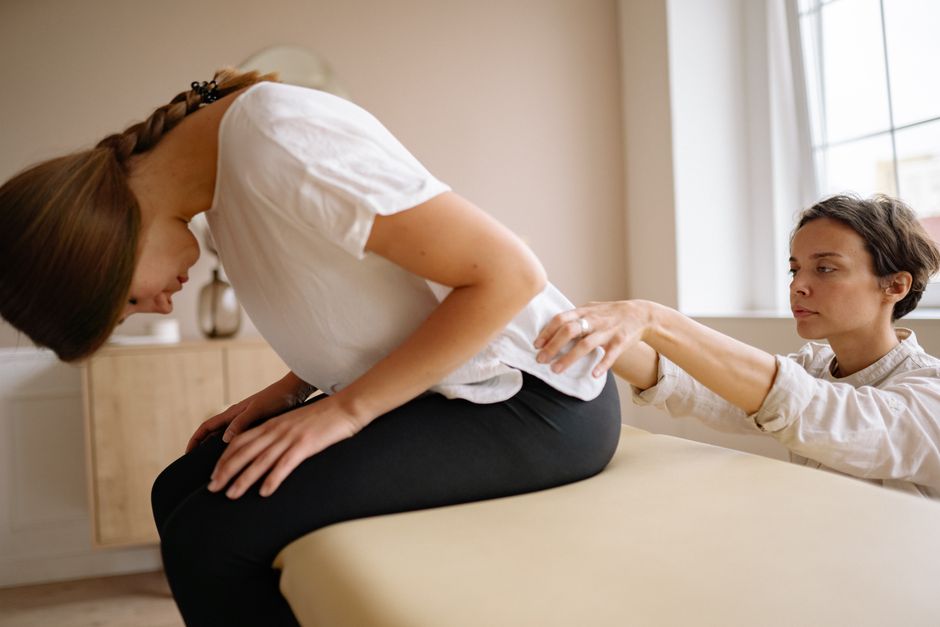
If you are trying to conceive or worried you might be pregnant, every twinge feels like a clue. Lower back pain is one of the most commonly mentioned early pregnancy symptoms online. But is it a reliable early sign? The short answer is no. Lower back pain alone is not a dependable early sign of pregnancy. It is far more likely to be caused by your menstrual cycle, stress, or just daily life. This article explains what the evidence actually says, what else could be causing your pain, and when a pregnancy test is the only real answer.
What Causes Lower Back Pain in Early Pregnancy?
There is a real biological reason some women experience back pain in the first weeks. After implantation, your body starts producing the hormone relaxin. Relaxin loosens your ligaments and joints to prepare for childbirth. This affects the entire pelvis and lower back.
Progesterone also rises sharply in early pregnancy. It relaxes smooth muscles, including those in your digestive tract. That can lead to bloating and constipation. Both put extra pressure on your lower back.
But here is the catch. These hormone changes happen gradually. For most women, relaxin levels do not peak until the second trimester. Some studies suggest lower back pain is more common in weeks 8 to 12 than in weeks 4 to 6. That is well after a missed period and a positive pregnancy test.
Research published in the journal Spine found that about 50 percent of pregnant women report back pain at some point. But only a small fraction report it as a first symptom. The American College of Obstetricians and Gynecologists does not list lower back pain as a common early sign. They list missed period, nausea, breast tenderness, and fatigue.
Is Lower Back Pain an Early Sign of Pregnancy or Something Else?
This is where the confusion lives. Many conditions cause lower back pain that looks exactly like early pregnancy symptoms. Your body does not know the difference.
The most common mimic is your menstrual cycle. Prostaglandins cause the uterus to contract before and during your period. Those same chemicals can cause referred pain in your lower back. Many women feel this one to three days before bleeding starts. If you are expecting your period and your back hurts, that is a normal cycle symptom, not pregnancy.
Ovulation can also cause back pain. Some women feel a dull ache on one side of the lower back mid-cycle. That is called mittelschmerz. It happens when the egg releases from the ovary. It is not pregnancy.
Stress is another major cause. When you are anxious about conceiving, your muscles tense up. Your lower back takes the brunt of that tension. The National Institute of Neurological Disorders and Stroke reports that stress-related back pain is one of the most common types seen in primary care.
Other causes include poor sleep posture, new exercise routines, and even constipation from dietary changes. None of these are pregnancy.
| Symptom | Early Pregnancy | Menstrual Cycle | Stress or Muscle Strain |
|---|---|---|---|
| Lower back pain | Possible but not common as first sign | Very common 1-3 days before period | Very common from tension or posture |
| Timing | Usually after missed period | Before or during bleeding | Any time |
| Other signs | Missed period, nausea, breast soreness | Cramping, bloating, mood changes | Muscle tightness, headache, fatigue |
What Does Research on Lower Back Pain as an Early Pregnancy Sign Show?
The evidence is clear. Lower back pain is not a reliable early indicator. A 2019 study in the journal BMC Pregnancy and Childbirth surveyed over 500 women about their earliest pregnancy symptoms. Only 8 percent reported back pain before a missed period. The most common early signs were breast tenderness, fatigue, and nausea.
Another study looked at women tracking symptoms daily while trying to conceive. Back pain was equally common in cycles that ended in pregnancy and cycles that did not. That means it has no predictive value on its own.
The CDC does not include back pain in their list of early pregnancy signs. Neither does the UK National Health Service. Both organizations list missed period, positive test, nausea, and breast changes as the main early indicators.
Some people claim that implantation cramping causes back pain. Implantation happens 6 to 12 days after ovulation. It can cause very light spotting and mild cramping. But the cramping is usually felt low in the abdomen, not the back. And it is brief, not persistent.
The bottom line from the research is this. If lower back pain is your only symptom, you are probably not pregnant. If you have back pain along with a missed period and breast tenderness, then it is worth taking a test.
-
 Is Back Pain Normal During Early Pregnancy? The Real Answer
 -
When Does Back Pain Begin in Pregnancy? The Real Answer
-
When Should I Worry About Back Pain in Pregnancy? The Real Answer
-
How to Help Lower Back Pain During Pregnancy? Tips That Actually Work
-
Joint Genesis Reviews 2026: Honest Look at Complaints & Results





When Does Lower Back Pain Become a Real Pregnancy Symptom?
Later in pregnancy, back pain is very real. By the third trimester, 50 to 70 percent of women report significant lower back pain. That is due to the growing uterus shifting your center of gravity, weakened abdominal muscles, and the ongoing effects of relaxin.
But that is not early pregnancy. That is months later. If you are in the first few weeks after conception, back pain is not a reliable signal.
There is one exception worth noting. Some women have a condition called luteal phase defect. Their progesterone levels drop too early, causing back pain and cramping before a period. This can mimic early pregnancy loss. But it is uncommon and requires a doctor to diagnose.
If you are in your first trimester and have persistent lower back pain, talk to your provider. It could be a urinary tract infection or kidney issue. Both are more common in pregnancy and cause back pain. Untreated UTIs can lead to complications.
What Are the Most Reliable Early Signs of Pregnancy?
If you want to know if you are pregnant, look for symptoms that have strong research backing. The most reliable early signs are:
- Missed period. This is the number one sign. If your period is late by a week, take a test.
- Breast tenderness and swelling. This starts as early as one to two weeks after conception. It feels different from pre-period soreness. It is more intense and lasts longer.
- Nausea with or without vomiting. About 70 percent of pregnant women experience nausea. It usually starts around week 6.
- Fatigue. Progesterone rises sharply in early pregnancy. It can make you feel exhausted even in the first week after implantation.
- Implantation bleeding. Light spotting about 6 to 12 days after ovulation. It is pink or brown and very light. Only about 25 percent of women experience it.
Lower back pain is not on this list. If your back hurts and nothing else is happening, it is unlikely to be pregnancy.
Common Misconceptions About Early Pregnancy Signs
There is a lot of misinformation online. Some websites list dozens of early pregnancy symptoms. Many of them are normal bodily sensations that have nothing to do with pregnancy.
One common myth is that back pain means implantation is happening. Implantation is a microscopic event. It does not cause enough inflammation to produce noticeable back pain. The cramping some women feel is mild and brief.
Another myth is that lower back pain means your uterus is stretching. The uterus does start to expand in early pregnancy. But that expansion is gradual and painless for most women. When it does cause discomfort, it feels like a pulling sensation in the lower abdomen, not the back.
Some people also confuse premenstrual back pain with pregnancy. The two conditions share the same hormones. Prostaglandins cause uterine contractions in both PMS and early pregnancy. Your body cannot tell the difference. Neither can you.
The safest approach is to track your cycle and use a pregnancy test. Home tests are 99 percent accurate when used after a missed period. They detect human chorionic gonadotropin (hCG), a hormone that only rises during pregnancy. No back pain symptom can match that reliability.
What to Do If You Have Lower Back Pain and Think You Might Be Pregnant
If you are in the two-week wait or just missed your period, here is a practical plan. First, do not rely on symptoms alone. Back pain can be caused by stress, ovulation, PMS, or a dozen other things. A pregnancy test is the only way to know for sure.
Second, take care of your back regardless of the cause. Gentle stretching, a heating pad on low, and good posture can help. Avoid ibuprofen if you might be pregnant. Acetaminophen is considered safer but use the lowest effective dose.
Third, track your symptoms for a few days. If your back pain gets worse or spreads to your abdomen, call your doctor. It could be a kidney infection or ovarian cyst. Both need treatment.
Finally, if you get a negative test but your period still does not come, wait a week and test again. Sometimes hCG levels are too low to detect early. If you still have no period and a negative test, see your doctor. There are many reasons for missed periods besides pregnancy.
Lower back pain is a normal part of life. It is not a reliable early sign of pregnancy. Trust a test, not a twinge.
Frequently Asked Questions
Can lower back pain be the only sign of pregnancy?
No. Lower back pain alone is not a reliable sign of pregnancy. Most women who are pregnant have other symptoms like a missed period, breast tenderness, or nausea.
How early in pregnancy does lower back pain start?
If it does occur, lower back pain usually starts after the first missed period, not before. Most research shows it becomes more common in weeks 8 to 12 of pregnancy.
Is lower back pain a sign of early miscarriage?
Lower back pain can be a sign of miscarriage, but it is usually accompanied by heavy bleeding and cramping. Mild back pain alone is not a reliable sign of miscarriage.
When should I see a doctor for lower back pain in early pregnancy?
See a doctor if the pain is severe, lasts more than a few days, or comes with fever, burning during urination, or vaginal bleeding. These could signal a UTI or other condition that needs treatment.
