
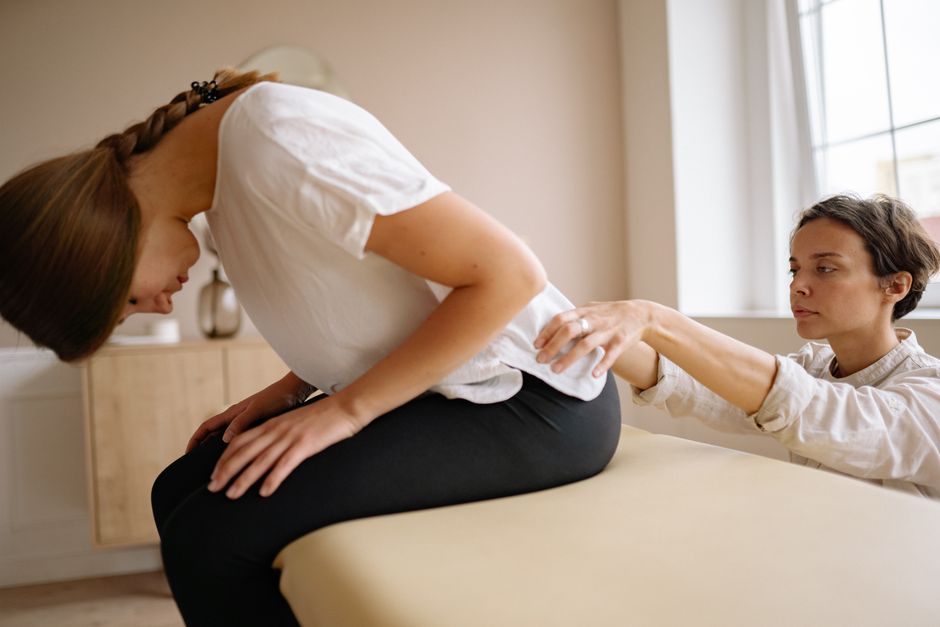
Lower back pain in females is most commonly caused by muscle strain, hormonal changes during menstruation or pregnancy, structural differences in the pelvis, and degenerative conditions like arthritis. Women are more likely than men to experience lower back pain due to anatomical factors and fluctuating hormone levels that affect ligament laxity and inflammation. Other frequent causes include endometriosis, ovarian cysts, poor posture, weight gain, and conditions specific to the female reproductive system.
Why Are Women More Prone to Lower Back Pain Than Men?
Women have a wider pelvis designed for childbirth. This changes the biomechanics of how the spine distributes weight. The angle where the spine meets the pelvis creates different stress patterns compared to men. These structural differences mean the lower back muscles work harder to maintain stability.
Hormones play a significant role. Estrogen and progesterone affect ligament flexibility throughout the menstrual cycle. During ovulation and before menstruation, ligaments become looser. This increased laxity reduces spinal stability and makes the lower back more vulnerable to strain. Research shows that women report more frequent and intense back pain during specific phases of their menstrual cycle.
Women also carry weight differently. Fat tends to accumulate around the hips and thighs rather than the abdomen in younger women. But after menopause, fat distribution shifts toward the midsection. This anterior weight pulls the spine forward and increases lumbar curve, adding chronic stress to the lower back muscles and joints.
How Does Menstruation Cause Lower Back Pain?
Menstrual cramps do not stay confined to the abdomen. The same prostaglandins that trigger uterine contractions also cause inflammation in surrounding tissues including the lower back muscles. This creates a referred pain pattern where discomfort radiates from the pelvis to the lumbar spine.
Bloating and water retention before menstruation add temporary weight to the body. Even a few pounds of fluid retention shifts your center of gravity and increases the workload on back muscles. The combination of inflammation, muscle tension, and altered biomechanics explains why so many women experience lower back pain in the days before and during their period.
Some women have secondary dysmenorrhea where conditions like endometriosis or fibroids cause more severe pain. In these cases the back pain is often sharper and more persistent than typical menstrual discomfort. If back pain worsens over time or does not resolve after menstruation, it warrants further evaluation.
What Role Does Pregnancy Play in Female Lower Back Pain?
Pregnancy causes dramatic changes to the spine and pelvis. As the uterus expands, it shifts the body’s center of gravity forward. To compensate, the lower back curves more sharply inward. This exaggerated lumbar lordosis strains the facet joints and muscles along the spine. Most pregnant women develop some degree of back pain by the second or third trimester.
The hormone relaxin loosens ligaments throughout the body to prepare the pelvis for delivery. While this is necessary for childbirth, it also reduces spinal stability. The muscles must work overtime to compensate for lax ligaments. This chronic muscle tension creates persistent aching in the lower back.
Weight gain during pregnancy adds mechanical stress. An additional 25 to 35 pounds concentrated in the abdomen pulls the spine forward constantly. The back muscles fatigue from this sustained load. After delivery, many women continue experiencing back pain for months as their body gradually returns to its pre-pregnancy alignment.




Can Endometriosis Cause Lower Back Pain?
Endometriosis causes tissue similar to the uterine lining to grow outside the uterus. When this tissue attaches to structures near the spine or pelvic nerves, it creates significant back pain. The pain typically worsens during menstruation when the ectopic tissue bleeds and swells just like normal uterine lining would.
Some studies suggest up to 15% of women with chronic lower back pain have undiagnosed endometriosis. The back pain from endometriosis tends to be cyclical, worsening with each menstrual cycle. It may also occur during ovulation. Unlike mechanical back pain from muscle strain, endometriosis pain often includes sharp stabbing sensations and does not improve much with rest or typical back treatments.
Diagnosing endometriosis as a source of back pain requires connecting the timing of symptoms to the menstrual cycle. If back pain consistently peaks around menstruation and includes other symptoms like painful periods or pain during intercourse, endometriosis becomes a more likely explanation than simple muscle strain.
What Musculoskeletal Conditions Cause Lower Back Pain in Females?
Muscle strain remains the most common cause of acute lower back pain in women. Lifting heavy objects, sudden twisting motions, or maintaining poor posture for extended periods overloads the muscles and ligaments supporting the spine. The pain from muscle strain typically improves within a few weeks with rest and gradual return to activity.
Herniated discs occur when the soft inner material of a spinal disc pushes through its outer layer. This can compress nearby nerves and cause pain that radiates down the leg. Women develop herniated discs at similar rates to men, though hormonal fluctuations may influence disc hydration and vulnerability to injury.
Osteoarthritis becomes more common after menopause when declining estrogen levels accelerate cartilage breakdown. The facet joints in the spine lose their smooth cartilage coating and bone rubs against bone. This creates chronic aching pain that worsens with activity and improves with rest. Morning stiffness lasting more than 30 minutes is typical with spinal arthritis.
Sacroiliac joint dysfunction affects the joints connecting the spine to the pelvis. These joints can become inflamed or misaligned, especially after pregnancy when ligaments have been loosened by relaxin. The pain typically concentrates on one side of the lower back just above the buttock and worsens with walking or climbing stairs.
How Does Menopause Affect Lower Back Pain?
Estrogen protects bone density. After menopause, declining estrogen leads to accelerated bone loss. Women can lose up to 20% of their bone density in the first five to seven years after menopause. This makes the spine more vulnerable to compression fractures and osteoporosis.
Compression fractures in the vertebrae often occur with minimal trauma or even spontaneously as bones weaken. These fractures create sudden sharp pain in the middle or lower back. Multiple compression fractures over time lead to loss of height and increased spinal curvature known as kyphosis or dowager’s hump.
Muscle mass also decreases after menopause. The core and back muscles that stabilize the spine become weaker. This reduction in muscular support places more stress on the spinal joints and ligaments. Regular resistance training becomes particularly important for maintaining back health during and after the menopausal transition.
What Other Medical Conditions Should Be Considered?
Ovarian cysts can cause referred pain to the lower back. Large cysts that rupture or twist the ovary create sudden severe pain. Even smaller cysts may cause chronic aching that radiates from the pelvis to the lumbar spine. The pain often occurs on one side and may worsen during menstruation or ovulation.
Fibroids are benign tumors in the uterine wall. Large fibroids can press against nerves or the spine itself causing persistent back pain. The pain from fibroids tends to be constant rather than cyclical and may worsen with prolonged sitting or standing as the weight of the uterus shifts against surrounding structures.
Kidney infections or stones create pain in the mid to lower back that feels different from muscular pain. Kidney-related back pain is typically sharp and located more toward the sides rather than the center of the spine. It often comes with fever, painful urination, or blood in the urine. This pain does not change much with position or movement unlike mechanical back pain.
Pelvic inflammatory disease causes inflammation of the reproductive organs that can radiate to the lower back. The pain is usually accompanied by fever, abnormal vaginal discharge, or pain during intercourse. This is a serious infection requiring prompt antibiotic treatment.
| Cause | Pain Pattern | Key Identifying Features |
|---|---|---|
| Muscle Strain | Central lower back, improves with rest | Recent injury or overuse, responds to heat and gentle movement |
| Menstruation | Cyclical, peaks before or during period | Accompanied by cramping, bloating, resolves after menstruation |
| Endometriosis | Cyclical, severe during menstruation | Sharp stabbing pain, painful periods, pain during intercourse |
| Herniated Disc | Radiates down leg, worse with sitting | Numbness or tingling in leg, weakness, pain with coughing |
| Osteoporosis Fracture | Sudden severe pain in mid or lower back | Post-menopausal, minimal or no trauma, point tenderness over spine |
| Kidney Problem | Side of back, does not change with position | Fever, painful urination, blood in urine |
When Should You See a Doctor for Lower Back Pain?
Most lower back pain resolves within a few weeks with conservative treatment. But certain symptoms indicate a need for prompt medical evaluation. Seek care immediately if back pain follows significant trauma like a fall or car accident. Also seek urgent care if pain is accompanied by loss of bladder or bowel control, progressive leg weakness, or numbness in the groin or inner thighs.
Schedule an appointment with your doctor if back pain persists longer than six weeks, worsens instead of gradually improving, or wakes you from sleep. Pain that radiates down both legs or is accompanied by unexplained weight loss or fever also warrants evaluation. If you have a history of cancer and develop new back pain, contact your doctor promptly as this could indicate metastatic disease.
For women, it is particularly important to mention if back pain coincides with your menstrual cycle or has changed since pregnancy or menopause. This timing helps identify hormonal or reproductive causes that might require different treatment approaches than mechanical back problems. Be specific about whether pain is constant or intermittent and what activities make it better or worse.
What Are Effective Treatments for Female Lower Back Pain?
Treatment depends entirely on the underlying cause. For mechanical back pain from muscle strain, initial treatment focuses on staying active within comfortable limits. Complete bed rest is no longer recommended. Movement maintains muscle strength and prevents stiffness. Apply heat to relax tight muscles and cold to reduce inflammation in the first 48 hours after injury.
Over-the-counter pain relievers like ibuprofen or naproxen reduce both pain and inflammation. Acetaminophen helps with pain but does not address inflammation. For many women, these medications provide sufficient relief during the acute phase. Topical pain relievers containing menthol or capsaicin offer additional relief for some people.
Physical therapy helps identify movement patterns that contribute to back pain. A physical therapist can teach core strengthening exercises that improve spinal stability and reduce the risk of future episodes. Stretching tight hip flexors and hamstrings also relieves stress on the lower back. Most people benefit from 6 to 12 weeks of guided physical therapy.
For hormonal causes like menstrual pain or endometriosis, hormonal birth control may reduce symptom severity. Continuous oral contraceptives that suppress menstruation often help women whose back pain is clearly cyclical. For confirmed endometriosis, treatment may include hormonal therapy or surgery to remove ectopic tissue.
Postmenopausal women with osteoporosis need bone-strengthening medications to prevent future fractures. Bisphosphonates, denosumab, or other osteoporosis treatments reduce fracture risk. Calcium and vitamin D supplementation support bone health but are not sufficient treatment on their own once osteoporosis is established.
Can Lifestyle Changes Prevent Lower Back Pain?
Maintaining a healthy weight reduces mechanical stress on the spine. Every excess pound adds approximately four pounds of pressure to the lower back. Even modest weight loss can significantly reduce pain for overweight women.
Regular exercise strengthens the muscles that support the spine. The most effective programs include both strengthening and flexibility work. Exercises that target the core muscles, including the deep abdominal muscles and back extensors, provide the most protection. Activities like swimming, walking, and yoga improve back health without high impact stress.
Posture matters during daily activities. When sitting, keep feet flat on the floor with knees at hip level. Use a small pillow or rolled towel to support the natural curve of your lower back. When standing for extended periods, shift weight between feet and use a footrest if possible. When lifting, bend at the knees and hips rather than the waist and keep objects close to your body.
Sleep position affects back health. Sleeping on your back with a pillow under your knees or on your side with a pillow between your knees maintains spinal alignment. A mattress that is too soft or too firm can worsen back pain. Most people do best with a medium-firm mattress that supports the spine’s natural curves without creating pressure points.
- Maintain healthy weight to reduce spinal stress
- Exercise regularly including both strength training and flexibility work
- Practice proper lifting technique with bent knees
- Use ergonomic furniture and maintain good posture during work
- Sleep on a supportive mattress in a spine-neutral position
- Take breaks from prolonged sitting or standing
- Address hormonal factors with your doctor if pain is cyclical
- Stay active during back pain episodes rather than complete rest
Frequently Asked Questions About What Causes Lower Back Pain in Females
Is lower back pain during period normal?
Yes, lower back pain during menstruation is common and normal. Prostaglandins that cause uterine contractions also create inflammation in the lower back muscles, causing referred pain that typically resolves after your period ends.
Why does my lower back hurt during ovulation?
During ovulation, hormone changes cause ligaments to become more lax and the ovary releases an egg which can cause fluid irritation. This combination of reduced spinal stability and pelvic inflammation creates temporary lower back discomfort in some women.
Can a tilted uterus cause lower back pain?
A retroverted or tilted uterus can press against nerves and ligaments in the lower back, especially when full or during menstruation. However, most women with tilted uteruses do not experience back pain, and this anatomical variation is normal.
When is female back pain an emergency?
Seek emergency care if back pain occurs with loss of bladder or bowel control, progressive leg weakness, numbness in the groin, severe pain after trauma, or pain with fever and inability to urinate. These symptoms may indicate serious spinal or organ problems requiring immediate treatment.
