
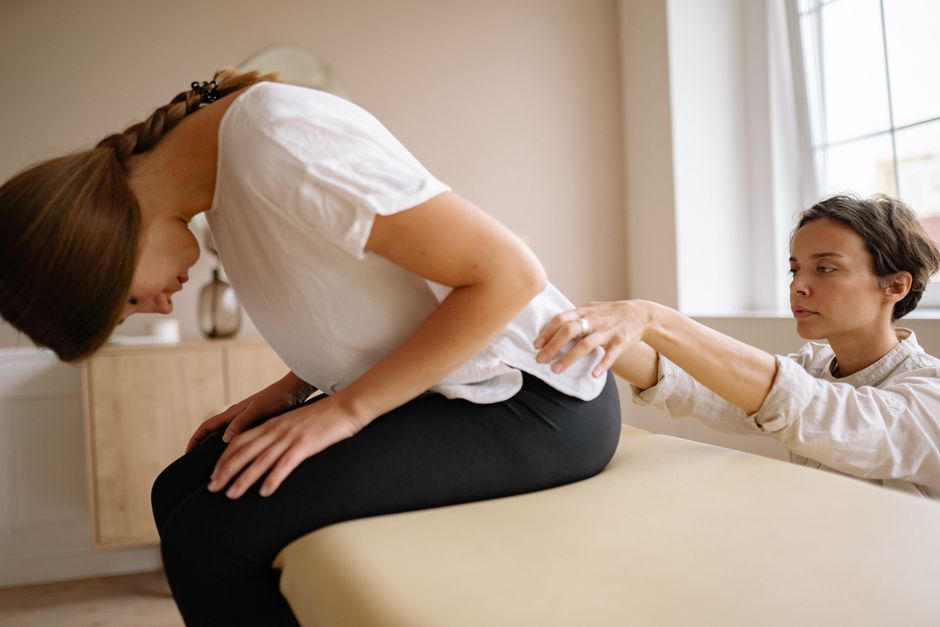
Lower back pain affects roughly 80% of adults at some point in their lives. The good news is that most cases improve with rest, movement, and simple home care. Acute lower back pain typically resolves within a few weeks, while chronic pain requires a combination of targeted exercise, posture correction, and sometimes physical therapy. Heat therapy, gentle stretching, and over-the-counter pain relievers can provide immediate relief for many people.
What Causes Lower Back Pain?
Most lower back pain stems from muscle strain or ligament sprains. Lifting something heavy incorrectly, making a sudden movement, or maintaining poor posture for extended periods can all trigger this type of pain. The muscles and ligaments in your lower back are designed to support your spine, but overexertion or awkward positions can push them past their limits.
Structural issues account for another significant portion of cases. Herniated discs, where the soft material inside a spinal disc pushes out and irritates nearby nerves, cause sharp pain that often radiates down one leg. Degenerative disc disease, a normal part of aging where spinal discs lose water content and flexibility, creates chronic discomfort in many people over 50.
Less common but serious causes include spinal stenosis (narrowing of the spinal canal), spondylolisthesis (where one vertebra slips forward), and arthritis. In rare cases, infections, kidney stones, or tumors can produce lower back pain. If your pain follows a fall, comes with fever, or includes loss of bowel or bladder control, seek immediate medical attention.
Does Heat or Ice Work Better for Lower Back Pain?
Heat therapy helps more than ice for most lower back pain. Heat increases blood flow to the affected area, relaxes tight muscles, and reduces stiffness. Apply a heating pad for 15-20 minutes several times daily, especially before activities that typically aggravate your pain.
Ice works better only in the first 48 hours after an acute injury when inflammation is highest. Cold constricts blood vessels and temporarily numbs pain signals. After the initial inflammation subsides, heat becomes the more effective option.
Some people find alternating between heat and ice provides the best relief. Start with ice for 10 minutes, then switch to heat for 15 minutes. This contrast therapy may improve circulation more than either method alone, though clinical evidence supporting this approach is limited.
What Exercises Actually Help Relieve Lower Back Pain?
Gentle movement helps more than complete rest. Studies have consistently found that people who remain moderately active recover faster than those who stay in bed. Walking for 10-15 minutes several times daily keeps your muscles engaged without overloading your spine.
Specific stretches target the muscles that commonly contribute to lower back pain. The knee-to-chest stretch releases tension in the lower back and hips. Lie on your back, pull one knee toward your chest while keeping the other leg flat, and hold for 20-30 seconds. The cat-cow stretch, performed on hands and knees, gently mobilizes your entire spine.
Core strengthening exercises prevent future episodes. Your core includes not just your abdominal muscles but also the muscles along your spine and around your pelvis. Planks, bird dogs, and pelvic tilts build stability without requiring equipment. Start with short holds of 10-15 seconds and gradually increase as strength improves.
Physical therapists often recommend the McKenzie Method for certain types of lower back pain. This approach uses specific directional movements, often backward bending, to centralize pain that radiates into the legs. Research shows it works well for some people with disc-related issues, though not everyone responds.





Do Pain Relievers and Topical Treatments Work?
Over-the-counter NSAIDs like ibuprofen and naproxen reduce both pain and inflammation. They work by blocking enzymes that produce inflammatory chemicals in your body. For acute lower back pain, NSAIDs typically provide better relief than acetaminophen, which only addresses pain without affecting inflammation.
Topical treatments offer an alternative for people who cannot tolerate oral medications. Capsaicin cream, derived from chili peppers, depletes substance P (a pain transmitter) in nerve endings after several days of regular application. Menthol and camphor-based rubs create a cooling sensation that temporarily distracts from pain, though they do not address underlying inflammation.
Muscle relaxants get prescribed for severe muscle spasms but come with drowsiness and other side effects. As of 2026, guidelines recommend using them sparingly and for short periods only. The sedative effects often outweigh the modest benefit for most people.
| Treatment Type | Effectiveness | Best Used For |
|---|---|---|
| NSAIDs (oral) | High | Acute pain with inflammation |
| Acetaminophen | Moderate | Mild pain without inflammation |
| Capsaicin cream | Moderate | Chronic localized pain |
| Muscle relaxants | Low to Moderate | Severe acute muscle spasms |
How Does Posture Affect Lower Back Pain?
Sitting for long periods places more pressure on spinal discs than standing or lying down. When you sit, especially with poor posture, the natural curve in your lower back flattens and the front of your spinal discs compresses. Over time, this uneven pressure contributes to disc degeneration and pain.
Proper sitting posture keeps your lower back supported with a slight inward curve. Your feet should rest flat on the floor, your knees at roughly 90 degrees, and your screen at eye level so you are not hunching forward. A small lumbar support cushion can help maintain the natural curve if your chair does not provide adequate support.
Frequent position changes matter more than perfect posture. Stand up and move for at least two minutes every 30-60 minutes. Even shifting your weight while seated or doing a few shoulder rolls breaks up the static loading on your spine. Standing desks help some people, though alternating between sitting and standing works better than standing all day.
When Should You See a Healthcare Provider?
Red flags require immediate medical evaluation. These include pain following significant trauma like a car accident or fall from height, progressive weakness in your legs, numbness in your groin or inner thighs, or loss of bowel or bladder control. These symptoms suggest nerve compression or spinal cord involvement that needs urgent treatment.
Chronic pain lasting more than 12 weeks deserves professional assessment even without red flags. A thorough evaluation can identify specific structural issues or movement patterns that targeted therapy can address. Physical therapy, in particular, has strong evidence for reducing chronic lower back pain and preventing recurrence.
Pain that significantly interferes with daily activities or does not improve with home care within 4-6 weeks also warrants a consultation. Sometimes imaging like an MRI becomes necessary to rule out serious conditions, though most lower back pain does not show clear abnormalities on scans. Many people with herniated discs visible on MRI have no pain at all, while others with severe pain have normal-looking scans.
What Lifestyle Changes Prevent Future Episodes?
Maintaining a healthy weight reduces stress on your spine. Every extra pound adds roughly four pounds of pressure to your lower back during movement. Weight loss, particularly around the midsection, can significantly reduce pain for people carrying excess weight.
Proper lifting technique prevents many acute injuries. Bend at your knees and hips rather than your waist. Keep the object close to your body as you lift using your leg muscles to power the movement. Never twist while lifting something heavy.
Regular exercise builds resilience against future pain. A combination of aerobic activity, strength training, and flexibility work addresses all the factors that contribute to lower back health. You do not need intense workouts. Walking, swimming, and basic bodyweight exercises performed consistently provide substantial protection.
- Walk at least 30 minutes most days to maintain mobility and circulation
- Strengthen your core with planks and bird dogs three times weekly
- Stretch your hamstrings and hip flexors daily to reduce strain on your lower back
- Sleep on a supportive mattress that maintains spinal alignment
- Avoid prolonged sitting by standing and moving every 30-60 minutes
Frequently Asked Questions About How to Relieve Lower Back Pain
How long does lower back pain usually last?
Most acute lower back pain improves within two to four weeks with home care. Chronic pain lasting beyond 12 weeks often requires ongoing management rather than complete resolution.
Can sleeping position affect lower back pain?
Sleeping on your back with a pillow under your knees or on your side with a pillow between your knees maintains neutral spine alignment. Stomach sleeping typically worsens lower back pain by hyperextending the spine.
Are chiropractors effective for lower back pain?
Some studies suggest spinal manipulation provides short-term pain relief similar to other conservative treatments. Evidence does not consistently show long-term benefits beyond what exercise and physical therapy provide.
Should I rest completely when my lower back hurts?
No, complete bed rest typically slows recovery. Gentle movement and activities within your pain tolerance help more than staying immobile.
