
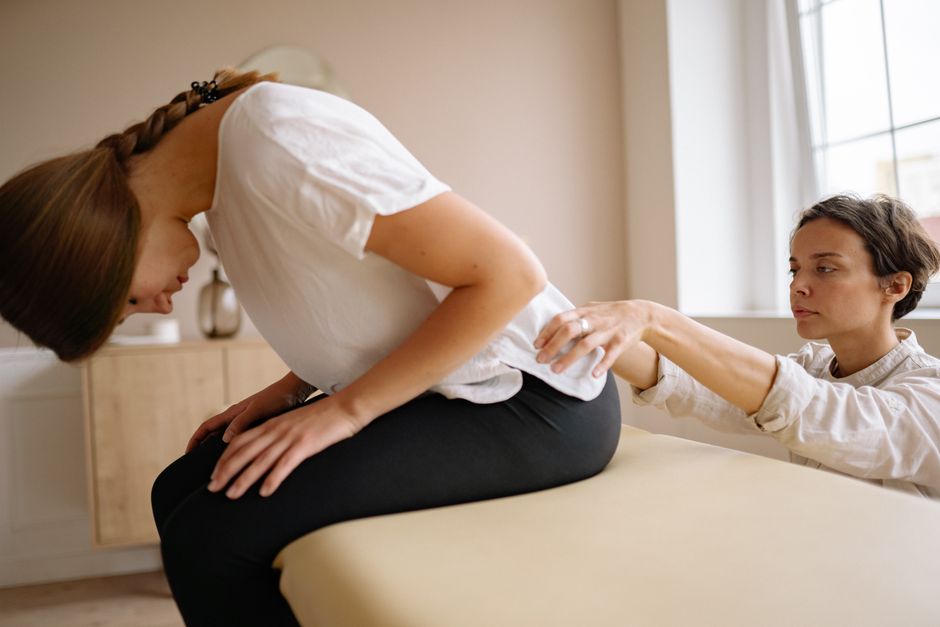
Lower back pain is one of the most common health problems adults face, and the cause is usually not what you think. Most people assume a sudden injury or a slipped disc is to blame, but the truth is more complex. The vast majority of lower back pain comes from a combination of weak supporting muscles, poor movement patterns over time, and the natural wear and tear of aging. While scary conditions like herniated discs or arthritis can cause pain, they are far less common than simple mechanical strain. Understanding what is actually happening in your body is the first step to getting real relief.
What Actually Causes Lower Back Pain?
The lower back, or lumbar spine, is built to carry your entire upper body weight. It relies on a network of muscles, ligaments, tendons, and bones working together. When something in this system gets irritated, you feel pain. Research shows that most lower back pain is mechanical. That means it comes from how your body moves and holds itself, not from a disease or serious injury.
Common mechanical causes include muscle strain from lifting something wrong, poor posture while sitting at a desk for years, and sudden awkward movements. Over time, the discs between your vertebrae can dry out and lose height, a process called degenerative disc disease. This is not really a disease. It is normal aging. As of 2026, current research suggests that disc degeneration alone is not always painful. Many people with worn discs have no pain at all.
Other causes include spinal stenosis, which is a narrowing of the space around the spinal cord, and spondylolisthesis, where one vertebra slips forward over another. Both are more common in older adults. Arthritis in the small joints of the spine can also cause inflammation and stiffness. The key point is that most causes are mechanical and manageable, not dangerous or life-threatening.
Is a Herniated Disc the Main Cause?
No, it is not. A herniated disc is often what people fear most, but it is actually a less common cause of lower back pain. Studies have found that many people with herniated discs have zero pain. The disc can bulge or rupture and press on a nerve, but this usually causes leg pain or sciatica, not just back pain.
When a disc herniates, the soft inner material pushes through the tough outer layer. If it touches a nerve root, you may feel sharp shooting pain down one leg. This is called radiculopathy. But if the herniation does not touch a nerve, you might not feel anything at all. Some studies suggest that up to 30% of people without any back pain have disc bulges or herniations visible on MRI scans.
So if a herniated disc is not the main cause, what is? Muscle and ligament strain tops the list. Your back muscles can spasm and tighten in response to overuse or weakness. This tightness itself becomes a source of pain. The real problem is often the muscles that support your spine not doing their job properly. That is why strengthening exercises are one of the most effective treatments.
How Does Your Daily Life Contribute?
Your habits at home and work play a massive role. Sitting for long hours puts three times more pressure on your lower back discs than standing. When you slouch, the pressure increases even more. Over years, this constant load weakens the structures in your back.
Poor sleep posture is another hidden factor. If you sleep on your stomach, your neck and lower back are twisted all night. This can cause morning stiffness and pain. Sleeping on your back with a pillow under your knees or on your side with a pillow between your knees keeps your spine in a neutral position.
Carrying extra weight also strains the lower back. Every extra pound of belly fat pulls your pelvis forward and increases the curve in your lower spine. This shifts the load onto the small joints and discs. Studies have found that people with obesity are significantly more likely to report chronic lower back pain. Losing even a modest amount of weight can reduce pain for some people.
Stress and anxiety also contribute. When you are stressed, your muscles tense up, especially in the neck and back. This chronic tension can lead to pain. Some evidence indicates that people with high stress levels are more likely to develop chronic back pain after an initial injury. Mental health and physical health are connected here.





What Does the Research Say About Treatment?
The evidence for many common treatments is surprisingly weak. Let us look at what research actually supports.
| Treatment | What Research Shows | Bottom Line |
|---|---|---|
| Rest and avoiding activity | Old advice. Studies now show bed rest makes pain last longer and weakens muscles. | Avoid bed rest. Stay as active as pain allows. |
| Over-the-counter pain relievers | Ibuprofen and naproxen can help short-term. Acetaminophen works no better than placebo for back pain. | Use anti-inflammatories for a few days if needed. |
| Heat and ice | Heat relaxes tight muscles. Ice reduces inflammation. Both provide temporary relief. | Use whichever feels better. Neither fixes the cause. |
| Exercise and physical therapy | Strong evidence. Strengthening the core and back muscles reduces pain and prevents recurrence. | This is the most effective long-term approach. |
| Chiropractic adjustment | Some studies suggest moderate benefit for acute pain. Evidence for chronic pain is mixed. | May help some people short-term. Not a cure. |
| Acupuncture | Some people report relief. Strong evidence is limited. Placebo effect may be large. | Worth trying if you want. Not guaranteed. |
| Surgery | Rarely needed. Only for specific conditions like cauda equina syndrome or severe nerve compression. | Last resort. Most back pain resolves without it. |
The strongest evidence points to movement and exercise. Staying active, even with mild discomfort, helps your back heal faster. Specific exercises that strengthen the deep core muscles, like the transverse abdominis, provide the best support for your spine. Physical therapy that focuses on these muscles is more effective than generic stretching.
What Should You Avoid When Your Back Hurts?
Some common advice actually makes things worse. Here is what to skip.
- Prolonged bed rest. Staying in bed for more than two days weakens your muscles and slows recovery. Get up and move gently.
- Bending at the waist to lift. Always bend your knees and keep your back straight. Bending at the waist puts all the load on your lower back.
- Twisting while lifting. This is a common way to injure a disc. Turn your whole body, not just your spine.
- Wearing a back brace long-term. A brace can feel supportive, but your muscles stop working if you rely on it. Use it only for short periods during heavy lifting.
- Ignoring leg pain. If your back pain comes with numbness, tingling, or weakness in your leg, see a doctor. That suggests nerve involvement.
- Waiting too long for help. If pain lasts more than six weeks, see a healthcare provider. Early treatment prevents chronic pain.
One non-obvious point: stretching your hamstrings can help. Tight hamstrings pull on your pelvis and increase the curve in your lower back. Loosening them can reduce strain. But do not stretch through sharp pain. Gentle, sustained stretches are safer than bouncing.
When Should You Worry About Lower Back Pain?
Most lower back pain is not dangerous, but some signs require immediate medical attention. These are called red flags. If you experience any of the following, seek care right away.
Sudden loss of bladder or bowel control can signal cauda equina syndrome, a surgical emergency. Numbness in the saddle area, meaning the area where you sit, is another warning sign. Severe pain after a fall or accident could mean a fracture. Unexplained weight loss along with back pain may point to a more serious condition. Fever and chills with back pain can indicate an infection. Pain that wakes you up at night is also worth checking out.
For the vast majority of people, though, lower back pain resolves on its own within four to six weeks. The goal is management, not cure. You learn what triggers your pain and how to avoid it. You build strength in the muscles that protect your spine. You accept that some days will be better than others. That is realistic. That is honest.
Frequently Asked Questions About causes back pain lower
What is the most common cause of lower back pain?
Mechanical strain from weak muscles and poor posture is the most common cause, not a herniated disc or arthritis.
Can stress cause lower back pain?
Yes, stress causes muscle tension in the back and can worsen or trigger pain, especially in chronic cases.
How long does lower back pain usually last?
Most episodes resolve within four to six weeks with gentle activity and time, though some cases become chronic.
When should I see a doctor for lower back pain?
See a doctor if pain lasts more than six weeks, follows a fall, or comes with leg numbness, fever, or bladder problems.
