
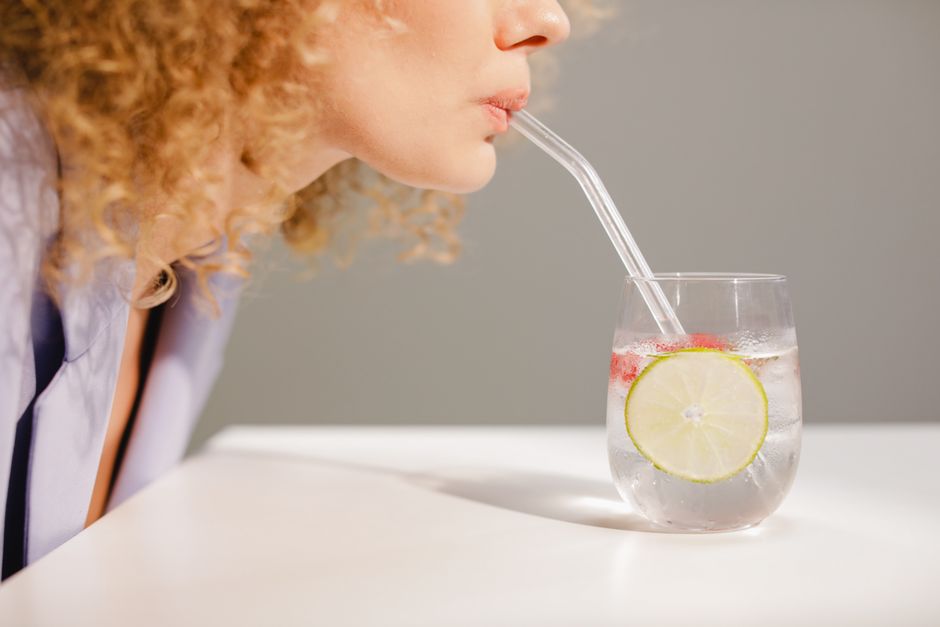
Plain water is the only drink that is universally accepted during a fasting blood test. Black coffee, plain tea, and unsweetened sparkling water are allowed by many labs, but not all. Anything with calories, sugar, cream, milk, or artificial sweeteners can change your results and may force you to reschedule.
Fasting blood work is common. A lipid panel, a fasting glucose test, or a metabolic panel often requires you to stop eating for a set period before your appointment. What you drink during that window matters more than most people realize.
Here is what the evidence and standard lab practice actually say about what you can and cannot drink.
What Can You Drink While Fasting For Blood Work?
Water is always allowed. Drink normal amounts. There is no need to restrict water, and staying hydrated can actually make the blood draw easier because your veins are fuller.
Black coffee and plain tea are generally acceptable at most labs. No sugar. No cream. No milk. No flavored syrups. If it has calories, it breaks the fast.
The reason comes down to what fasting tests measure. A fasting glucose test checks your blood sugar after you have not eaten for at least 8 hours. A lipid panel measures triglycerides, cholesterol, and related markers. Both are sensitive to what enters your bloodstream.
Plain black coffee has essentially zero calories. It does not raise blood sugar in most people. Some research suggests coffee can slightly affect certain markers, but the effect is generally small. Many clinical labs accept it. Some do not.
This is where it gets practical: the safest move is to call your lab or your doctor’s office and ask what they allow. Policies vary. What one lab accepts, another may not.
Why Does Fasting Matter for Blood Tests?
Fasting matters because food and drink change the composition of your blood. After you eat, glucose rises. Triglycerides rise. Insulin rises. These changes can last for hours.
If you eat before a fasting glucose test, your result will reflect that meal, not your baseline. A normal reading could look high. A high reading could look higher than it really is. Either way, the number becomes unreliable.
Triglycerides are especially sensitive. A fatty meal can raise triglyceride levels significantly for several hours. That is why a lipid panel often requires fasting.
Not all blood tests require fasting. A complete blood count, thyroid panel, or hemoglobin A1c typically does not. Your doctor should tell you which tests require fasting and for how long. The standard fasting window is usually 8 to 12 hours, though some tests ask for longer.
One detail people miss: the fasting clock starts from your last bite or sip of anything with calories. It does not start from when you wake up. If you ate at 10 p.m. and your draw is at 8 a.m., that is 10 hours.
What About Coffee and Tea?
Black coffee and plain tea are the two most common exceptions to the water-only rule. Most labs allow them. Some do not.
Here is what matters:
- No additives. Sugar, honey, cream, milk, oat milk, almond milk, and flavored syrups all contain calories and break the fast.
- No artificial sweeteners. Some research suggests certain artificial sweeteners may affect glucose or insulin responses in some people, though the evidence is mixed. Most labs advise skipping them before a fasting test.
- Plain only. A latte, cappuccino, sweet tea, or flavored coffee drink is not black coffee. It has calories.
Caffeine itself can have mild effects on blood pressure and stress hormones. For most routine tests, this does not change the result enough to matter. But if you are having blood work related to blood pressure, heart rhythm, or hormone levels, ask your doctor whether to skip caffeine that morning.
Some clinicians recommend avoiding coffee before certain tests entirely. That is a cautious approach, not a universal rule. The evidence does not show that black coffee ruins most routine blood tests. It shows that policies vary and that the safest path is to confirm with your lab.

What Should You Avoid Drinking?
Anything with calories breaks a fast. That includes drinks that seem light or healthy.
- Juice, including fresh-squeezed
- Smoothies
- Soda, regular or diet
- Sports drinks and energy drinks
- Milk and plant-based milks
- Coffee or tea with cream, sugar, or sweetener
- Alcohol
- Bone broth or protein shakes
Alcohol deserves its own mention. Even one drink the night before can affect liver enzymes, triglycerides, and glucose. Many labs ask you to avoid alcohol for 24 hours before a fasting blood test. Follow that guidance if it is given.
Diet soda is a gray area. It has no calories, so it does not technically break a fast. But some research suggests artificial sweeteners may influence glucose metabolism in certain people. The evidence is not conclusive. Most labs still advise plain water, black coffee, or plain tea only. If you drink diet soda that morning, tell the phlebotomist.
Does Water Break a Fast?
No. Water does not break a fast. It has no calories and does not trigger a digestive or metabolic response.
Drinking water before your blood draw is actually helpful. Dehydration makes veins harder to find, which can lead to a missed stick or a second attempt. Being well hydrated makes the draw faster and less uncomfortable.
Unless your doctor has told you to restrict fluids for a specific reason, drink normally the morning of your test. There is no need to overdo it. A glass or two before you leave is enough.
Sparkling water is also fine as long as it is plain and unsweetened. Flavored sparkling waters often contain sweeteners or natural flavors that may or may not affect results. Plain is the safer choice.
How Long Do You Need to Fast?
Most fasting blood tests require 8 to 12 hours without food or drink except water. Some require longer. Your doctor or the lab should give you a specific window.
Fasting longer than needed is not better. Going 16 or 18 hours without eating can affect some results and make you feel unwell. Follow the window you were given.
If you accidentally eat or drink something with calories during your fasting window, tell the lab staff when you arrive. In most cases, they will reschedule the test rather than run it and give you a result that cannot be trusted. It is inconvenient, but it is better than a misleading number that leads to unnecessary follow-up or missed diagnosis.
If you take medications, ask your doctor whether to take them with water during the fast. Many medications are fine with a sip of water. Some need to be timed differently around the test. Do not skip a prescribed medication without checking first.
What Happens If You Drink the Wrong Thing?
Your results may be inaccurate. How inaccurate depends on what you drank and which test you are having.
A splash of milk in coffee might raise glucose slightly. A full sugar-sweetened latte could push it well above your true fasting level. A glass of orange juice could do the same. A sugary energy drink could affect both glucose and triglycerides.
The problem is not just a high number. It is a wrong number. A falsely high glucose reading might lead to repeat testing, worry, or unnecessary follow-up. A falsely normal reading could hide a real problem.
The fix is simple. If you slip, say so. Lab staff and your doctor can decide whether to run the test, note the deviation, or reschedule. Honesty here protects your care.
Frequently Asked Questions
Can I drink black coffee before a fasting blood test?
Most labs allow plain black coffee with no sugar, cream, or milk. Some labs do not, so confirm with your specific lab before your appointment.
Does water break a fast for blood work?
No. Water has no calories and does not affect fasting blood test results. Drinking water before your draw can make the blood collection easier.
Can I drink diet soda while fasting for blood work?
It has no calories, so it does not technically break the fast. However, most labs recommend plain water, black coffee, or plain tea only, since some research suggests artificial sweeteners may affect glucose in certain people.
What happens if I accidentally drink something with calories before my fasting blood test?
Your results may be inaccurate, especially for glucose and triglyceride tests. Tell the lab staff when you arrive so they can decide whether to run the test or reschedule it.
