
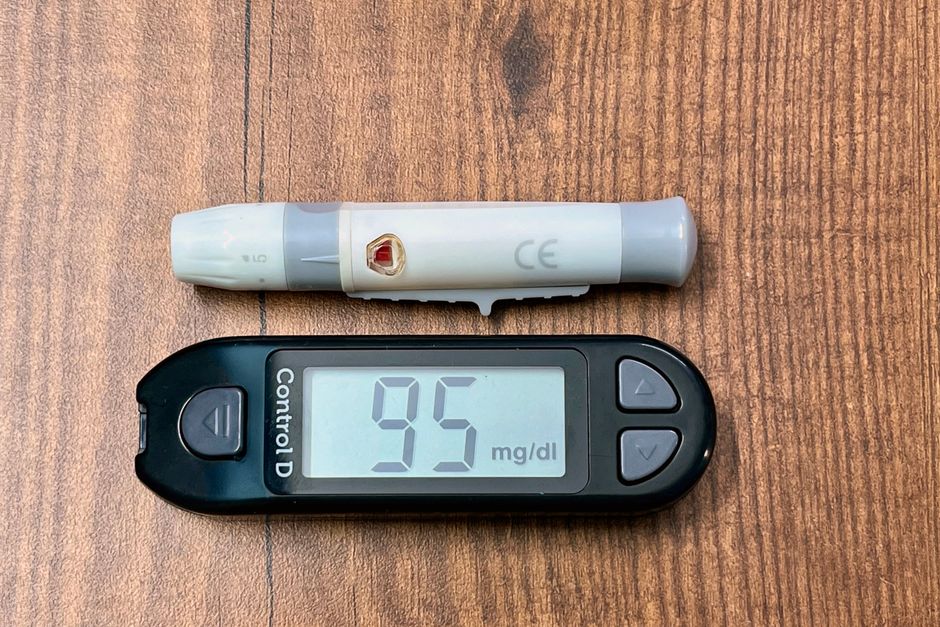
A normal fasting blood sugar is generally between 70 and 99 mg/dL. Two hours after a meal, a normal blood sugar is usually below 140 mg/dL. A normal A1C — a marker of average blood sugar over the past two to three months — is below 5.7%. These three numbers measure different things, and understanding how they fit together is the foundation of knowing whether your blood sugar is healthy.
What Is A Normal Blood Sugar Fasting Meals A1C?
These three measurements answer different questions. Fasting glucose shows what your blood sugar looks like after at least eight hours without food. Post-meal glucose shows how well your body handles a surge of sugar. A1C shows the big picture over time.
The standard reference ranges, used by most clinical guidelines in the United States, are:
| Test | Normal | Prediabetes | Diabetes |
|---|---|---|---|
| Fasting glucose | 70–99 mg/dL | 100–125 mg/dL | 126 mg/dL or higher |
| 2-hour glucose (after 75g drink) | Below 140 mg/dL | 140–199 mg/dL | 200 mg/dL or higher |
| A1C | Below 5.7% | 5.7–6.4% | 6.5% or higher |
For a diabetes diagnosis, these thresholds generally need to be confirmed with a second test on a different day, unless symptoms are clear and blood sugar is markedly elevated.
One detail that surprises many people: normal blood sugar after a meal is not the same as normal blood sugar after a sugary drink used in an oral glucose tolerance test. The test uses a standardized 75-gram glucose load, which is more sugar than most meals contain. Some clinicians also check blood sugar one hour after eating, but there is no single universally agreed normal range for that measurement. Two hours is the standard checkpoint.
How Does Your Body Keep Blood Sugar Normal?
Blood sugar stays in a tight range because of two hormones working in opposite directions. Insulin, made by beta cells in the pancreas, moves glucose out of the bloodstream and into cells. Glucagon, made by alpha cells, signals the liver to release stored glucose when levels drop.
After you eat, blood sugar rises. The pancreas releases insulin. Cells take in glucose for energy, and the liver stores some as glycogen. Between meals and overnight, the liver releases glucose steadily to keep your brain and organs supplied. This is why fasting glucose does not drop to zero — your body is actively maintaining it.
When this system works well, blood sugar stays within a narrow window. When it breaks down, the breakdown usually happens gradually. In type 2 diabetes, cells become less responsive to insulin, and the pancreas struggles to keep up. In type 1 diabetes, the immune system destroys insulin-producing beta cells, and insulin must be replaced from outside the body.
Fasting glucose is often the first number to drift upward. That is because the liver can start releasing more glucose overnight before post-meal control visibly changes. A rising fasting glucose can be an early signal that something is shifting.
What Affects Blood Sugar Besides Food?
Diet is not the only variable. Many things move blood sugar up or down, and some of them have nothing to do with what you ate.
- Sleep. Short or poor sleep can raise insulin resistance the next day. The effect is measurable but usually modest in healthy people.
- Stress. Stress hormones like cortisol raise blood sugar. This is normal physiology, not a sign of disease on its own.
- Illness and infection. Being sick often raises blood sugar, even in people without diabetes.
- Medications. Some drugs, including certain steroids and some blood pressure medicines, can raise blood sugar. This is a known effect and worth discussing with a clinician.
- Exercise. Activity usually lowers blood sugar, but intense exercise can briefly raise it because of stress hormones.
- Time of day. Blood sugar tends to be higher in the early morning due to the dawn effect, when hormones naturally rise.
This is why a single high reading is not a diagnosis. Context matters.



What Does A1C Actually Measure?
A1C measures the percentage of hemoglobin in your red blood cells that has glucose attached to it. Because red blood cells live about three months, A1C reflects average blood sugar over roughly the past two to three months.
It is a different kind of number than a single glucose reading. A fasting glucose is a snapshot. A1C is more like a long-exposure photo. Someone can have a normal fasting glucose and still have an elevated A1C if their blood sugar runs high after meals. The reverse is also possible.
A1C has limitations. It can be inaccurate in people with certain types of anemia, recent blood loss, kidney disease, or hemoglobin variants such as sickle cell trait. In those cases, clinicians may rely on glucose testing or a different marker instead. If your A1C does not match your home glucose readings, that mismatch is worth raising with your doctor.
Some research suggests that A1C can vary slightly by ancestry and ethnicity, even at similar average glucose levels. This is an active area of study and one reason clinicians look at the whole picture rather than one number.
When Should You Get Tested?
Routine screening for prediabetes and type 2 diabetes is generally recommended for adults starting around age 35, and earlier for people with certain risk factors. These include a family history of diabetes, a history of gestational diabetes, being overweight, and certain ethnic backgrounds with higher risk.
If results are normal, repeat testing is typically recommended every three years. If results fall in the prediabetes range, more frequent testing is common — often yearly.
Testing is not just about diagnosing diabetes. Prediabetes is a meaningful signal. Research consistently shows that lifestyle changes — losing a modest amount of weight, increasing physical activity, and improving diet — can reduce the risk of progressing from prediabetes to type 2 diabetes. That is one of the better-supported findings in preventive medicine.
What those lifestyle changes look like in practice varies. There is no single diet that has been proven superior for everyone. The evidence supports several approaches, and the best one is usually the one a person can sustain.
What If Your Numbers Are Outside Normal?
A single out-of-range reading does not mean you have diabetes. It means the next step is confirmation. Clinicians typically repeat the test, or use a different test, before making a diagnosis.
If you are diagnosed with prediabetes, the conversation is usually about risk reduction, not immediate medication. Some clinicians prescribe metformin for certain people with prediabetes, particularly those at higher risk, but this is not universal. The evidence for lifestyle change is stronger and more broadly applicable.
If you are diagnosed with diabetes, treatment depends on the type. Type 1 diabetes requires insulin. Type 2 diabetes may be managed with lifestyle changes, oral medications, injectable medications, or insulin, depending on how the disease progresses.
What is not helpful is guessing. Home glucose meters and continuous glucose monitors have made it easier to see patterns, but interpreting those patterns still requires clinical context. A number that looks alarming at 2 a.m. may be completely normal physiology.
Do You Need To Track Blood Sugar At Home?
For most people without diabetes, routine home monitoring is not recommended. It can create anxiety without providing useful information, because normal blood sugar fluctuates throughout the day in ways that are not clinically meaningful.
For people with diabetes, home monitoring is often essential. It shows how food, activity, and medication affect blood sugar, and it guides treatment decisions. Continuous glucose monitors, which track glucose every few minutes, have become more common and are covered by many insurance plans for people with diabetes who meet certain criteria.
If you are prediabetic or simply curious, ask your doctor whether monitoring makes sense for your situation. There is no universal answer.
Frequently Asked Questions
What is a normal fasting blood sugar level?
A normal fasting blood sugar is between 70 and 99 mg/dL after at least eight hours without eating. Levels from 100 to 125 mg/dL fall in the prediabetes range, and 126 mg/dL or higher on two separate tests indicates diabetes.
What should blood sugar be two hours after a meal?
Two hours after a meal, a normal blood sugar is generally below 140 mg/dL. Levels between 140 and 199 mg/dL suggest prediabetes, and 200 mg/dL or higher suggests diabetes when confirmed.
What is a normal A1C for someone without diabetes?
A normal A1C is below 5.7%. An A1C between 5.7% and 6.4% indicates prediabetes, and 6.5% or higher on two separate tests indicates diabetes.
Can you have normal fasting blood sugar but high A1C?
Yes. Fasting glucose and A1C measure different things, so it is possible to have a normal fasting level and an elevated A1C. This usually means blood sugar is running higher after meals or overnight, and it is worth discussing with a clinician.
