
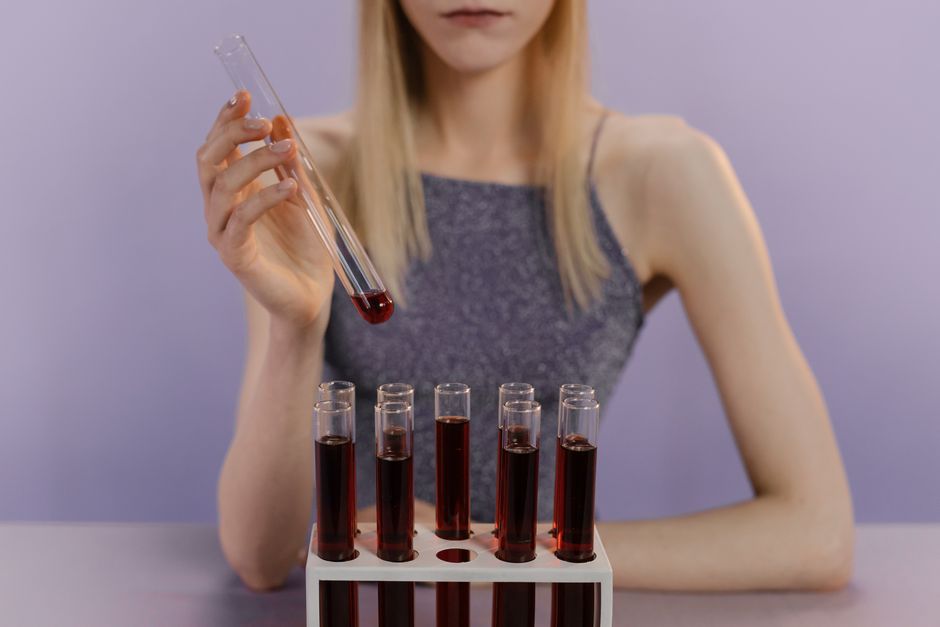
You need to fast for blood work, and the rules are simple. Most standard blood tests require you to have nothing but water for 8 to 12 hours before your blood draw. Black coffee, tea, gum, and even sugar-free drinks are not allowed because they can change your results. Water is the only thing you can eat or drink during a fasting blood test. If you have a test coming up, follow your doctor’s specific instructions because some tests have different rules.
What Exactly Is Fasting for Blood Work?
Fasting for blood work means you do not eat or drink anything except water for a set period before your test. The goal is to get a clean baseline reading of certain substances in your blood. When you eat or drink, your body absorbs nutrients, sugars, and fats that can temporarily change levels of glucose, cholesterol, and other markers.
Your doctor wants to see what your body is doing when it is not digesting food. This gives them a more accurate picture of your health. The American Heart Association recommends fasting for 9 to 12 hours for a lipid panel, which measures cholesterol and triglycerides. For a fasting glucose test, 8 hours is usually enough.
Not all blood tests require fasting. Some common tests like a complete blood count (CBC) or basic metabolic panel often do not need it. Always check with your healthcare provider before assuming you need to fast.
How Long Should You Fast for Blood Work?
The standard fasting window is 8 to 12 hours. Most doctors will tell you to fast for at least 8 hours for a basic glucose test. For a cholesterol test, the recommendation is usually 9 to 12 hours. Some tests, like a triglyceride test, may require a full 12-hour fast for the most accurate results.
Research published in the journal Circulation found that fasting for 9 to 12 hours gives the most reliable lipid measurements. Shorter fasts can lead to higher triglyceride readings, which might not reflect your true baseline. Longer fasts beyond 12 hours are not necessary and can make you dehydrated or lightheaded.
Your doctor will tell you the exact time. If they say “fast for 12 hours,” that means no food or drink besides water from the moment you start until your blood is drawn. Plan your last meal accordingly. For example, if your test is at 8 a.m., stop eating at 8 p.m. the night before.
What Can You Drink While Fasting for Blood Work?
Water is the only safe drink during a fast for blood work. You can drink plain, still or sparkling water. No flavoring, no sweeteners, no additives. Some people worry that water will dilute their blood or affect results, but studies show it does not. In fact, staying hydrated can make it easier for the technician to find your vein.
Black coffee is not allowed. Even though it has no calories, caffeine can change your blood chemistry. The National Institutes of Health notes that caffeine can raise blood sugar and insulin levels in some people. It can also affect your heart rate and blood pressure, which may influence certain test results.
Tea, even herbal tea, is not recommended. Many teas contain compounds that can interfere with lab tests. Sugar-free drinks, diet sodas, and flavored waters are also off the table. Artificial sweeteners can trigger an insulin response in some people, which defeats the purpose of fasting.
Alcohol is absolutely not allowed. Even a small amount the night before can alter liver enzyme levels and triglyceride readings. Stick to water only.
| Drink | Allowed During Fast? | Reason |
|---|---|---|
| Water (plain) | Yes | No calories, no effect on blood markers |
| Black coffee | No | Caffeine can alter glucose and insulin levels |
| Tea (any kind) | No | Plant compounds may interfere with tests |
| Diet soda | No | Artificial sweeteners can trigger insulin release |
| Alcohol | No | Alters liver enzymes and triglycerides |
| Flavored water | No | Additives and sweeteners break the fast |

What Happens If You Eat or Drink Something You Should Not?
If you accidentally eat or drink something other than water during your fast, tell the person drawing your blood. Do not try to hide it. They may still draw your blood, but they will note the non-fasting status on the lab order. Your doctor will then interpret the results with that in mind.
In some cases, the lab may refuse to run certain tests if you were not properly fasted. This is especially true for lipid panels and glucose tests. If that happens, you will likely need to reschedule and come back for another draw.
Even a small amount of cream in your coffee or a few sips of juice can change your results. The body responds quickly to sugar and fat. A study in Clinical Chemistry showed that eating a small meal before a lipid test can raise triglyceride levels by 20 to 30 percent. That is enough to push a borderline result into an abnormal range.
Do not assume that “a little bit” does not matter. It does. If you slip up, be honest and reschedule if needed.
Can You Take Medication While Fasting for Blood Work?
Most medications should be taken as usual during your fast. This includes blood pressure pills, thyroid medication, and other daily prescriptions. Taking them with a small sip of water is fine. Do not skip your medication without talking to your doctor first.
Some medications can affect blood test results. For example, diuretics can change electrolyte levels, and certain diabetes medications can lower glucose. Your doctor knows what you are taking and will factor that into the results.
There are a few exceptions. If you take medication that must be taken with food, ask your doctor what to do. They may tell you to take it after the blood draw. Insulin and some oral diabetes medications may need to be adjusted on test day. Never change your medication schedule without medical advice.
Vitamins and supplements are a different story. Most should be stopped 24 hours before a blood test unless your doctor says otherwise. Biotin, in particular, can interfere with lab tests. The FDA warns that high doses of biotin can cause falsely high or low results for some hormone tests. Stop all supplements at least 24 hours before your draw.
How To Fast For Blood Work What You Can Eat Or Drink: A Practical Plan
The key to a successful fast is planning. Schedule your blood draw for early morning. This way, most of your fasting hours happen while you sleep. You wake up, drink some water, go to the lab, and get it done before hunger becomes a problem.
Eat a normal dinner the night before. Do not overeat or eat a very high-fat meal, as this can affect your triglycerides even after 12 hours. Stick to a balanced meal with protein, vegetables, and healthy fats. Avoid heavy, greasy foods.
Set an alarm for the time you need to stop eating. If your test is at 8 a.m. and you need a 12-hour fast, your last bite should be at 8 p.m. the night before. Write it down or set a reminder on your phone.
On the morning of your test:
- Drink water. One or two glasses is fine.
- Do not brush your teeth with toothpaste. Swallow no toothpaste.
- Do not chew gum, even sugar-free gum.
- Do not use mouthwash. Swallowing any amount breaks the fast.
- Take your regular medications with a sip of water.
Bring a snack with you to eat right after the blood draw. Something simple like a banana, granola bar, or yogurt works. This helps prevent dizziness and gives you energy after the fast.
Common Misconceptions About Fasting for Blood Work
Many people believe that black coffee is fine because it has no calories. This is not true for blood work. Caffeine changes how your body handles sugar and can raise stress hormone levels. Even decaf coffee contains compounds that may interfere with tests. Stick to water.
Another myth is that chewing gum is harmless. Chewing gum, even sugar-free gum, signals your digestive system to start preparing for food. This can release digestive enzymes and change certain blood markers. The same goes for mints and breath fresheners.
Some people think that drinking more water will “flush out” their system and give better results. This is not how it works. Water does not change your blood chemistry in a meaningful way for these tests. It just keeps you hydrated.
There is also a belief that fasting longer than 12 hours gives better results. This is not supported by evidence. Extended fasting can cause dehydration, low blood sugar, and dizziness. It can also increase stress hormones, which might change your results. Stick to the recommended window.
Frequently Asked Questions
Can I drink coffee before a fasting blood test?
No. Black coffee is not allowed because caffeine can change blood sugar and insulin levels. Drink only plain water.
Can I brush my teeth before a fasting blood test?
Do not swallow any toothpaste or mouthwash. Brushing your teeth is fine as long as you rinse and spit without swallowing.
Can I take vitamins before a fasting blood test?
Stop all vitamins and supplements at least 24 hours before your test. Biotin can interfere with lab results.
Can I drink water during a fast for blood work?
Yes. Plain water is the only thing you can drink. It helps keep you hydrated and makes the blood draw easier.
