

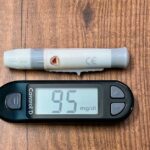
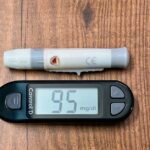
A blood sugar reading of 86 mg/dL sits comfortably in the normal range for most healthy adults, whether you are fasting or checking after a meal. Fasting blood glucose between 70 and 100 mg/dL is considered normal by the American Diabetes Association. A post-meal reading under 140 mg/dL is also normal. So 86 is not just normal — it is actually a very healthy number.
What Does It Mean If My Fasting Blood Sugar Is 86?
A fasting blood sugar of 86 mg/dL means your body is managing glucose effectively while you are not eating. Your liver is releasing just enough stored sugar to keep your brain and organs running, and your cells are responding well to insulin.
Most people with a fasting glucose of 86 have no signs of prediabetes or diabetes. The CDC defines normal fasting glucose as 70 to 100 mg/dL. Readings between 100 and 125 are considered prediabetes. Anything 126 or higher on two separate tests indicates diabetes.
Research published in the journal Diabetes Care has shown that people with fasting glucose below 90 tend to have lower risk of developing type 2 diabetes over time. So 86 is a sign of good metabolic health.
Is 86 Blood Sugar Normal Fasting Vs Post Meal Levels?
Yes, 86 mg/dL is normal in both scenarios. But the context matters. If you test 86 after not eating for 8 to 12 hours, that is a fasting reading. If you test 86 two hours after a meal, that is a post-meal reading. Both are well within healthy ranges.
After you eat, your blood sugar naturally rises as your body digests carbohydrates. In a healthy person, insulin is released quickly to move glucose into cells. Within two hours, blood sugar typically returns to near fasting levels. The American Diabetes Association says a normal post-meal reading is under 140 mg/dL.
So 86 after a meal is actually on the lower side of normal. Some people with very good insulin sensitivity might see post-meal readings in the 80s or low 90s. That is not cause for concern — it is a sign your metabolism is working well.
What If My Blood Sugar Is 86 But I Feel Symptoms?
Some people report feeling shaky, dizzy, or anxious when their blood sugar is in the 80s. This does not mean 86 is too low for you. It usually means your body is reacting to a rapid drop from a higher level.
If you are used to running higher blood sugar — say 140 or 150 — and then your glucose drops to 86, your body may interpret that as a low. This is called a false low or a relative hypoglycemia. It is not dangerous, but it can feel unpleasant.
True hypoglycemia is generally defined as blood sugar below 70 mg/dL. At 86, you are well above that threshold. If you feel symptoms, consider whether you ate a large meal recently, or if you are anxious about testing. Sometimes the act of checking can create worry that mimics low blood sugar symptoms.
If symptoms persist, talk to your doctor. But a reading of 86 by itself is not a problem.



How Does 86 Compare to Normal Blood Sugar Ranges?
Understanding where 86 fits in the full blood sugar picture helps put it in perspective. Here is a comparison of common blood sugar values and what they mean:
| Blood Sugar Level (mg/dL) | Context | What It Means |
|---|---|---|
| 70–99 | Fasting | Normal — healthy glucose regulation |
| 100–125 | Fasting | Prediabetes — increased risk |
| 126+ | Fasting (two tests) | Diabetes — requires medical evaluation |
| Under 140 | 2 hours after meal | Normal — good insulin response |
| 140–199 | 2 hours after meal | Prediabetes — impaired glucose tolerance |
| 200+ | 2 hours after meal | Diabetes — needs further testing |
| Below 70 | Any time | Hypoglycemia — low blood sugar |
As the table shows, 86 sits comfortably in the normal range for both fasting and post-meal contexts. It is not close to the prediabetes threshold or the hypoglycemia cutoff.
Can a Blood Sugar of 86 Ever Be a Problem?
In very rare cases, a reading of 86 could be a sign of something else. If you are on diabetes medication like insulin or sulfonylureas, a fasting reading of 86 might mean your medication dose needs adjustment. But that is a conversation for your doctor.
For someone not on diabetes medication, 86 is not a problem. Some people worry that a reading in the 80s means they are developing reactive hypoglycemia — a condition where blood sugar drops too low after eating. But reactive hypoglycemia is diagnosed by a reading below 70, not 86.
The National Institutes of Health notes that reactive hypoglycemia is actually quite rare. Most people who think they have it do not meet the diagnostic criteria. A reading of 86 after a meal is not suggestive of this condition.
There is also no evidence that 86 causes long-term harm. Some viral health claims suggest that blood sugar in the 80s damages organs or accelerates aging. As of 2026, no clinical research supports this. The body’s organs function normally at glucose levels between 70 and 100.
What Factors Can Influence a Blood Sugar Reading of 86?
Several factors can make your blood sugar read 86 at different times. Understanding these helps you interpret your results correctly:
- Time since last meal: If you tested 86 after 10 hours of fasting, that is expected. If you tested 86 one hour after eating a large meal, that is unusual and might indicate very high insulin sensitivity or a medication effect.
- Exercise: Physical activity lowers blood sugar for up to 24 hours. If you exercised the day before, a reading of 86 is perfectly normal.
- Stress and sleep: Poor sleep or chronic stress can raise blood sugar. A reading of 86 in these conditions actually means your body is handling stress well.
- Hydration: Dehydration can concentrate blood and raise glucose readings. Being well-hydrated can give you a slightly lower number.
- Medications: Some blood pressure drugs, steroids, and antidepressants can affect glucose. If you take any of these, 86 is still normal.
None of these factors make 86 itself a concern. They just explain why your number might vary from day to day.
Common Misconceptions About Blood Sugar in the 80s
Misinformation about blood sugar spreads quickly online. Here are some claims you should ignore:
Myth: Blood sugar below 90 means you have hypoglycemia. False. Hypoglycemia is defined as below 70, not below 90. Many healthy people have fasting glucose in the 70s or 80s with no symptoms.
Myth: You should aim for a fasting blood sugar between 100 and 110. False. Higher fasting glucose within the normal range is actually associated with greater diabetes risk over time. Lower is generally better, as long as it stays above 70.
Myth: A post-meal reading of 86 means your body is not absorbing nutrients. False. Your body absorbs nutrients through the small intestine, not through blood glucose levels. A low post-meal reading simply means your insulin response was efficient.
Myth: Continuous glucose monitors are accurate enough to worry about a reading of 86. Not always. CGMs can have a margin of error of 10-20 percent. A reading of 86 on a CGM could actually be 75 or 97. Do not overreact to a single number from a CGM.
Frequently Asked Questions
Is 86 blood sugar normal after eating?
Yes, 86 mg/dL two hours after a meal is completely normal. It indicates your body processed the glucose efficiently.
Should I worry if my fasting blood sugar is 86?
No, 86 is a healthy fasting number. It falls well within the normal range of 70 to 100 mg/dL.
Can 86 blood sugar cause symptoms?
Some people feel shaky or anxious at 86 if they are used to higher levels, but it is not true hypoglycemia. Symptoms usually pass.
What is the ideal fasting blood sugar range?
The ideal range is 70 to 100 mg/dL. Many healthy adults have fasting numbers in the 80s, which is excellent.
