

If you smoke and have a fasting blood test scheduled, you need to know one thing: smoking before a fasting blood test can alter your results. Nicotine and other chemicals in tobacco affect blood sugar, cholesterol, and even blood pressure readings. Most doctors recommend you do not smoke during the fasting period. A single cigarette can raise your blood glucose and triglyceride levels enough to give a false reading. Fasting means no food, no drinks other than water, and ideally no smoking for at least 8 to 12 hours before the test. This is not about being strict for no reason. It is about getting accurate results so your doctor can make the right call about your health.
How Does Smoking Affect Blood Test Results?
Smoking is not just a lung issue. It changes your blood chemistry in real time. Research shows that nicotine triggers the release of stress hormones like cortisol and adrenaline. These hormones signal your liver to release stored glucose into your bloodstream. This happens within minutes of lighting up. For a fasting blood test, this is a problem. Your blood sugar should be stable after not eating for hours. A cigarette can spike it, making it look like you have prediabetes or diabetes when you do not.
Smoking also raises your triglyceride levels. Triglycerides are a type of fat in your blood. High levels are a risk factor for heart disease. Studies have found that smokers often have higher fasting triglycerides than nonsmokers. Even one cigarette before a test can push these numbers up temporarily. Your doctor may then think you need medication or lifestyle changes that are not truly necessary.
Cholesterol readings can also shift. Smoking lowers your HDL cholesterol, the “good” kind that protects your heart. It also makes LDL cholesterol, the “bad” kind, stickier and more likely to clog arteries. If you smoke before a test, the lab results may show a worse cholesterol profile than your baseline. This can lead to unnecessary worry or treatment.
Does Smoking Before a Fasting Blood Test Affect Blood Pressure?
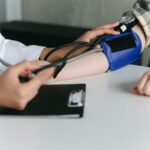
Yes, it does. Blood pressure is often checked during the same visit as a fasting blood test. Smoking raises your blood pressure for up to 30 minutes after the last puff. Nicotine constricts blood vessels and makes your heart beat faster. If you smoke right before you walk into the clinic, your reading could be 10 to 20 points higher than your true resting blood pressure.
This is a common problem. Many people who smoke before a blood test end up with a high reading that does not reflect their usual numbers. Doctors may then diagnose hypertension or adjust medications incorrectly. Some clinics ask patients to sit quietly for five minutes before a blood pressure check. Smoking before that defeats the purpose entirely. For the most accurate result, avoid smoking for at least one hour before any blood pressure measurement.
What About Nicotine Replacement or Vaping?
This question comes up often. If you are using nicotine patches, gum, or lozenges to quit smoking, do they count as breaking a fast? The short answer is that most fasting blood tests allow them. Nicotine replacement products do not contain calories or sugar. They will not raise your blood glucose directly. However, nicotine itself still affects your body. It can still trigger stress hormone release and temporarily alter blood sugar and lipid levels.
Vaping is a different story. E-cigarettes deliver nicotine but also contain propylene glycol and vegetable glycerin. These compounds can affect your metabolism in ways that are not fully understood. Current research suggests that vaping before a fasting blood test is not a good idea. It may alter results in unpredictable ways. Some people report feeling lightheaded or nauseous after vaping on an empty stomach. If you must use nicotine, a patch or gum is less likely to interfere than vaping or smoking.
As of 2026, no major medical guidelines explicitly ban nicotine replacement before fasting blood tests. But the safest approach is to avoid all nicotine for the fasting period if you can. If withdrawal symptoms are too severe, talk to your doctor. They may allow a patch or gum and note it in your chart. Honesty with your healthcare provider matters more than a perfect number.

Can You Smoke Before A Fasting Blood Test and Still Get Accurate Results?
This is the core question. The direct answer is no, not reliably. Smoking before a fasting blood test introduces variables that the lab cannot correct for. The test is designed to measure your baseline metabolic state after a period of rest and no food. Smoking disrupts that baseline. Even if you smoke only one cigarette, the effects can last for 30 to 60 minutes. If your test is scheduled for early morning and you smoke on the way there, your results will likely be skewed.
Some people argue that they have smoked before every test and their numbers are fine. That may be true for them, but it is not evidence that smoking is safe before testing. It could mean their baseline numbers are already elevated due to chronic smoking. The test may still show a problem, but the problem is real. For someone trying to get a clean snapshot of their health, smoking before the test adds noise to the signal.
Doctors rarely tell patients about this because they assume fasting means no smoking. If you smoke, you need to know this on your own. The best practice is to treat smoking like food during the fasting period. Do not consume anything except water. If you absolutely must smoke, do it after the blood draw. That way the results reflect your true fasting state.
What Happens If You Smoke Before a Glucose Tolerance Test?
A glucose tolerance test (GTT) is more demanding than a standard fasting blood test. You drink a sugary liquid, and your blood is drawn multiple times over two to three hours. Smoking before or during this test is a bad idea. Nicotine can interfere with how your body processes glucose. It may cause a faster or slower rise in blood sugar, making the results hard to interpret.
Research shows that smoking during a GTT can lead to false positives for gestational diabetes in pregnant women. It can also mask insulin resistance in people being evaluated for metabolic syndrome. The test is already uncomfortable. Adding nicotine to the mix only complicates things. For a GTT, you should not smoke for at least 8 hours before the test and not at all during the test period. If you need to smoke, reschedule the test for a day when you can commit to the full protocol.
Some clinics will cancel a GTT if they smell smoke on you. They know the results will be unreliable. Do not waste your time or the clinic’s time by smoking before this specific test. It is one of the few medical tests where strict compliance matters a great deal.
Common Misconceptions About Smoking and Fasting Blood Tests
One myth is that smoking only affects lung-related tests. Not true. Smoking changes blood chemistry, heart rate, and hormone levels. It touches nearly every system in your body. A fasting blood test is a broad screen. Smoking before it can alter results for glucose, lipids, liver enzymes, and even kidney function markers.
Another myth is that a single cigarette does not matter. It does. The effects of nicotine are rapid and measurable. Even one cigarette can raise your blood sugar by 10 to 20 mg/dL in some people. That is enough to push someone from normal into the prediabetic range. For a person with borderline numbers, this can lead to a misdiagnosis.
Some people believe that switching to “light” or “natural” cigarettes before a test is safer. It is not. All tobacco products contain nicotine and other chemicals that affect metabolism. There is no safe cigarette, especially before a test designed to measure your metabolic health. The only safe choice is no smoking at all during the fasting period.
| Factor | Effect of Smoking Before Test | Risk Level |
|---|---|---|
| Blood glucose | Rises temporarily due to stress hormones | High |
| Triglycerides | Increases acutely | Moderate |
| HDL cholesterol | Lowered over time, acute effect unclear | Moderate |
| Blood pressure | Rises for 30+ minutes | High |
| Liver enzymes | May be elevated in chronic smokers | Low to moderate |
| Glucose tolerance test | Interferes with glucose processing | High |
Frequently Asked Questions
Can I smoke a cigarette one hour before a fasting blood test?
No, it is not recommended. Even one hour may not be enough time for nicotine effects on blood sugar and blood pressure to fully subside. Ideally, avoid smoking for at least 8 to 12 hours before the test.
Does vaping before a fasting blood test affect results?
Yes, vaping can affect results because it delivers nicotine and other compounds that alter metabolism. It is safer to avoid all vaping during the fasting period.
Can I use nicotine gum before a fasting blood test?
Nicotine gum is usually allowed because it has no calories, but the nicotine can still affect blood sugar and blood pressure. Check with your doctor if you are unsure.
Will smoking before a blood test show up in the results?
Smoking itself does not show up as a specific marker, but the effects on glucose, lipids, and blood pressure can appear as abnormal results that may not reflect your true baseline.
