
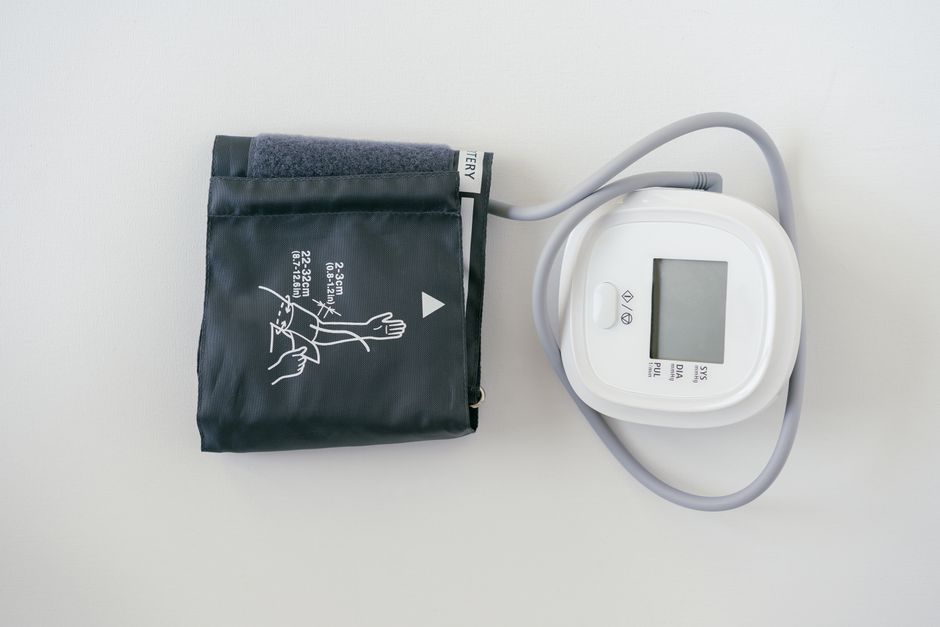
If your blood pressure drops suddenly and you feel dizzy, weak, or nauseous, the fastest way to raise it is to drink a glass of water, lie down with your legs elevated above your heart, and eat something salty. These actions work within minutes by increasing blood volume and narrowing blood vessels. For a safe long-term approach, you need to address the underlying cause—whether it is dehydration, medication side effects, or an untreated health condition. This article explains what the evidence actually says about raising low blood pressure quickly and safely, without the hype.
What Is Considered Low Blood Pressure and When Is It Dangerous?
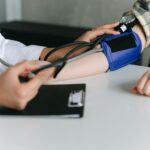
Blood pressure is measured as two numbers. The top number (systolic) measures pressure when your heart beats. The bottom number (diastolic) measures pressure between beats. A reading below 90/60 mmHg is generally considered low blood pressure, or hypotension.
For many people, low blood pressure causes no symptoms and is not a problem. Some athletes and younger adults naturally run low. The danger comes when blood pressure drops enough to reduce blood flow to your brain and organs. This is when symptoms like fainting, blurred vision, confusion, or cold clammy skin appear.
The National Institutes of Health (NIH) defines dangerously low blood pressure as a reading that causes symptoms or a sudden drop of more than 20 mmHg from your normal baseline. A rapid drop can lead to shock, which is a medical emergency. If someone is unconscious or cannot be roused, call 911 immediately.
Chronic low blood pressure with no symptoms is not something you need to treat. The goal is only to raise it when symptoms interfere with your daily life or when a sudden drop puts you at risk.
What Causes Blood Pressure to Drop Suddenly?
Understanding the cause is essential before you try to raise your blood pressure. The wrong intervention can make things worse.
Dehydration is the most common cause of a temporary drop. When you lose more fluid than you take in, your blood volume decreases, and your pressure falls. This happens after vomiting, diarrhea, heavy sweating, or not drinking enough water. The CDC reports that about 75% of Americans are chronically dehydrated to some degree, which can contribute to low blood pressure.
Medications are another major cause. Blood pressure drugs, diuretics, antidepressants, and erectile dysfunction medications can all lower pressure. If you started a new drug and noticed symptoms, that is the first place to look. Never stop a prescription medication without talking to your doctor, but do ask if an alternative exists.
Other causes include blood loss from injury or internal bleeding, severe infection (sepsis), allergic reactions, heart problems like a very slow heart rate, and endocrine disorders such as Addison’s disease or low blood sugar. Pregnancy can also cause temporary low blood pressure, especially in the first 24 weeks.
If you have repeated episodes of low blood pressure with no clear trigger, you need a medical workup. This is not something to self-manage long term without knowing why it is happening.
How To Raise Low Blood Pressure Fast And Safely: What Actually Works
When your blood pressure drops and you feel symptoms, the goal is to get blood flow back to your brain as quickly as possible. These steps have the strongest evidence behind them.
Drink water. Drinking 16 ounces (about two glasses) of water can raise blood pressure within 10 to 15 minutes. Research published in the Journal of the American Heart Association found that water drinking increases sympathetic nervous system activity, which constricts blood vessels and raises pressure. This works best if you are dehydrated but is also effective for other causes.
Lie down and elevate your legs. Lie flat on your back and prop your legs up on pillows or a stack of cushions so they are above the level of your heart. This position uses gravity to help blood return from your legs to your core and brain. It is the single fastest physical intervention for low blood pressure. Stay in this position for at least 10 to 15 minutes.
Eat something salty. Salt raises blood pressure by increasing sodium levels in your blood, which pulls water into your bloodstream and increases blood volume. A small handful of salted pretzels or crackers can work within 20 to 30 minutes. If you have heart failure, kidney disease, or high blood pressure, do not do this without medical guidance. For everyone else, a temporary salt boost is safe.
Compression stockings. These tight stockings prevent blood from pooling in your legs. They are especially helpful for people whose blood pressure drops when standing up, a condition called orthostatic hypotension. A 2021 review in the journal Hypertension found that compression stockings reduced symptoms in about 70% of people with this condition. You need medical-grade stockings, not the cheap ones at the drugstore.
These four interventions are safe for immediate use. None of them require a prescription, and they work for most people.
| Intervention | How Fast It Works | Best For |
|---|---|---|
| Drink 16 oz water | 10-15 minutes | Dehydration, any cause |
| Lie down, legs elevated | Immediate relief | Dizziness, presyncope |
| Eat salty snack | 20-30 minutes | Mild chronic low BP |
| Compression stockings | Ongoing use | Orthostatic hypotension |

What Does Research on Long-Term Management of Low Blood Pressure Show?
For people who need to manage low blood pressure over weeks or months, the evidence supports a few specific strategies. None of them are flashy, but they work.
Increase fluid and salt intake consistently. The American Heart Association recommends 6 to 8 glasses of water per day for most adults. If you have low blood pressure and no medical reason to restrict salt, adding 1 to 2 extra teaspoons of salt to your daily food can help maintain a stable pressure. A study in the Journal of Human Hypertension found that increased salt intake raised systolic pressure by an average of 5 to 10 mmHg in people with chronic hypotension.
Eat smaller, more frequent meals. Large meals pull blood into your digestive system, which can cause a temporary drop in blood pressure elsewhere in your body. This is called postprandial hypotension. Eating five or six small meals instead of three large ones prevents this drop. The Mayo Clinic recommends this approach for older adults who experience dizziness after eating.
Avoid alcohol. Alcohol is a vasodilator, meaning it widens blood vessels and drops blood pressure. Even one drink can cause a noticeable drop in some people. If you have chronic low blood pressure, the safest approach is to avoid alcohol entirely.
Stand up slowly. This is not a treatment, but it prevents episodes. When you stand up quickly, gravity pulls blood into your legs, and your body needs a few seconds to adjust. Standing slowly gives your cardiovascular system time to respond. The NIH recommends the “tilt table” method: sit on the edge of the bed for a minute, then stand slowly while holding onto something stable.
Some people report benefit from licorice root, which contains glycyrrhizin, a compound that can raise blood pressure. However, the evidence is weak. A 2022 review in Nutrients found only small, short-term studies, and licorice can cause dangerously high potassium levels in some people. Do not take it without talking to a doctor.
What to Avoid When Trying to Raise Low Blood Pressure
Several popular remedies for low blood pressure have little evidence behind them or carry real risks. Knowing what to skip is as important as knowing what to do.
Caffeine. Caffeine does raise blood pressure temporarily, but the effect is small and inconsistent. A 2017 meta-analysis in the American Journal of Clinical Nutrition found that caffeine raised systolic pressure by an average of only 4 to 6 mmHg, and the effect lasted less than an hour. For people who drink caffeine regularly, tolerance builds and the effect disappears. Relying on caffeine for blood pressure management is not effective and can cause anxiety, insomnia, and heart palpitations.
Salt tablets. Salt tablets are not the same as eating salty food. They can cause stomach irritation, nausea, and a dangerous spike in sodium levels. The NIH advises against using salt tablets for hypotension. If you need more salt, add it to food or use electrolyte drinks designed for rehydration.
Over-the-counter “blood pressure boosters.” There is no FDA-approved over-the-counter drug for low blood pressure. Products sold as “blood pressure boosters” are unregulated and may contain hidden ingredients or dangerous stimulants. A 2020 investigation by the FDA found that several of these products contained undeclared prescription drugs. Do not buy them.
Exercising during a low episode. Exercise normally raises blood pressure, but if you are already feeling dizzy or weak, exercising can cause fainting or injury. Wait until your symptoms resolve and your pressure stabilizes before resuming physical activity.
Common Misconceptions About Low Blood Pressure
A few myths about low blood pressure keep circulating online. Here is what the evidence actually says.
Myth: Low blood pressure is always healthier than high blood pressure. This is not true. While high blood pressure is a major risk factor for heart disease and stroke, very low blood pressure can cause falls, fainting, and organ damage. The relationship between blood pressure and health is U-shaped. Both too high and too low carry risks. A 2018 study in JAMA Internal Medicine found that people with systolic pressure below 110 mmHg had a higher risk of falls and hospitalization than those with normal pressure.
Myth: Drinking coffee is a reliable way to raise blood pressure. As noted above, the effect is small and short-lived. It may work for someone who never drinks coffee, but it will not help someone who drinks it daily. Do not depend on it.
Myth: Low blood pressure causes heart attacks. Low blood pressure does not cause heart attacks. Heart attacks are caused by blocked arteries. However, a heart attack can cause blood pressure to drop, which is a sign of cardiogenic shock. If someone has chest pain and low blood pressure, that is an emergency.
Myth: You should always treat low blood pressure. Asymptomatic low blood pressure does not need treatment. Many healthy people live with blood pressure in the 80/50 range and never have problems. Treating it unnecessarily can cause side effects from medications or dietary changes.
Frequently Asked Questions
Can low blood pressure cause a stroke?
Low blood pressure itself does not cause strokes, but a sudden severe drop can reduce blood flow to the brain and mimic stroke symptoms. It can also increase fall risk, which may lead to head injuries.
How much salt should I add to my diet for low blood pressure?
If your doctor approves, adding 1 to 2 extra teaspoons of salt per day is a common starting point. Monitor your symptoms and check your blood pressure regularly to avoid going too high.
Is low blood pressure a sign of pregnancy?
Yes, blood pressure often drops in the first 24 weeks of pregnancy due to hormonal changes and increased blood flow. It usually returns to normal after delivery.
When should I see a doctor for low blood pressure?
See a doctor if you faint, have repeated dizzy spells, or if your blood pressure drops suddenly without a clear cause. Also see a doctor if you have chest pain, shortness of breath, or black stools.
