
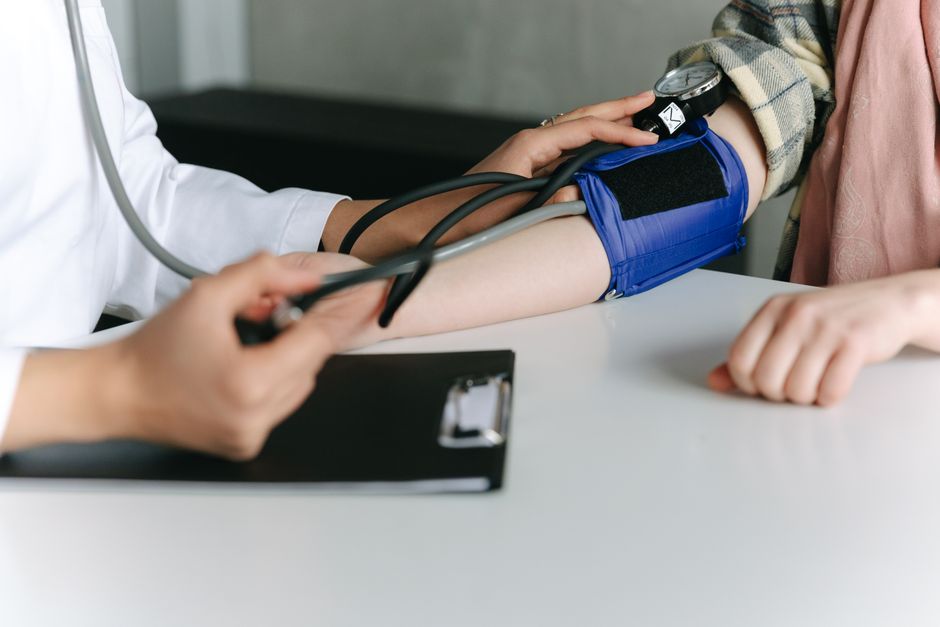
Blood pressure readings look simple, but the two numbers tell a detailed story about your heart and blood vessels. The top number, systolic pressure, measures the force against your artery walls when your heart beats. The bottom number, diastolic pressure, measures that same force between beats when your heart rests. Together, these numbers indicate how much strain your cardiovascular system is under every minute of every day. Consistently high readings damage arteries, heart, brain, and kidneys over time—often silently for years.
What Do The Two Blood Pressure Numbers Actually Measure?
Blood pressure is recorded as two numbers written like a fraction, such as 120/80 mm Hg. The unit “mm Hg” stands for millimeters of mercury, the standard way pressure is measured.
Systolic pressure is the top number. It records the highest pressure in your arteries when the heart contracts and pushes blood out. This number naturally rises during exercise or stress and falls during rest.
Diastolic pressure is the bottom number. It records the lowest pressure in your arteries while the heart relaxes between beats. During this brief pause, the heart refills with blood and the coronary arteries—the vessels that supply the heart muscle itself—receive their blood supply.
Both numbers matter, but they matter differently. Systolic pressure rises steadily with age as arteries stiffen. Diastolic pressure tends to rise in younger adults but often falls after age 60 as large arteries lose elasticity. For this reason, doctors pay close attention to systolic pressure in older adults, while diastolic pressure remains important in younger people.
What Is A Normal Blood Pressure Reading?
Blood pressure categories are standardized by major medical organizations, including the American Heart Association and the American College of Cardiology. These categories guide diagnosis and treatment decisions.
| Category | Systolic (top number) | Diastolic (bottom number) |
|---|---|---|
| Normal | Less than 120 | Less than 80 |
| Elevated | 120–129 | Less than 80 |
| Stage 1 Hypertension | 130–139 | 80–89 |
| Stage 2 Hypertension | 140 or higher | 90 or higher |
| Hypertensive Crisis | Higher than 180 | Higher than 120 |
A single high reading does not mean you have hypertension. Blood pressure fluctuates throughout the day based on activity, stress, hydration, caffeine, and even the time of day. Most people have lower readings in the morning and higher readings in the afternoon or evening. A diagnosis of hypertension requires multiple elevated readings on separate occasions, typically measured in a medical office or with a validated home monitor.
Why High Blood Pressure Damages Your Body
High blood pressure is often called the “silent killer” because it produces no symptoms until significant damage has already occurred. The mechanism is straightforward: constant high pressure injures the delicate inner lining of arteries.
Think of your arteries as flexible tubes. Healthy arteries expand and contract with each heartbeat, absorbing the pulse. When pressure stays high, the walls become stressed. Over time, this stress causes microscopic tears. The body responds by depositing cholesterol, inflammatory cells, and scar tissue at these injury sites—the process we call atherosclerosis. Arteries become stiffer and narrower, which raises pressure further, creating a destructive cycle.
This damage does not stay in the arteries. Reduced blood flow affects organs throughout the body. The heart must pump harder against higher resistance, which causes the left ventricle to thicken. This condition, called left ventricular hypertrophy, increases the risk of heart failure. Narrowed coronary arteries reduce blood supply to the heart muscle, raising the risk of heart attacks. In the brain, damaged vessels can cause strokes or contribute to cognitive decline. In the kidneys, damaged filtering units lead to chronic kidney disease. In the eyes, damaged retinal vessels can cause vision loss.
Research consistently shows that each 20 mm Hg increase in systolic pressure or 10 mm Hg increase in diastolic pressure doubles the risk of death from heart disease or stroke. This relationship holds across all age groups, from young adults to the elderly.
What Is Low Blood Pressure And Does It Matter?
Low blood pressure, called hypotension, receives far less attention than high blood pressure, but it can cause real problems. Generally, readings below 90/60 mm Hg are considered low.
For many people, low blood pressure is harmless—even beneficial. Some athletes and younger adults naturally run in the 90s/60s range and feel perfectly fine. The key question is whether symptoms accompany the low reading.
Symptoms of problematic low blood pressure include dizziness, lightheadedness, fainting, blurred vision, nausea, and fatigue. These symptoms occur when the brain does not receive enough blood flow. A sudden drop in blood pressure when standing up—called orthostatic hypotension—can be dangerous, particularly in older adults, because it increases the risk of falls and fractures.
Low blood pressure can result from dehydration, blood loss, certain medications, heart problems, endocrine disorders, or severe infection. If you experience fainting or persistent dizziness with a low reading, this warrants medical evaluation. Unlike hypertension, low blood pressure usually produces noticeable symptoms, which helps people seek care earlier.
What Blood Pressure Numbers Mean And Why They Matter For Your Health
Blood pressure numbers matter because they are one of the most reliable predictors of future cardiovascular events. They matter because they are measurable, modifiable, and respond to lifestyle changes and treatment.
Knowing your numbers gives you actionable information. A reading of 118/76 tells you your cardiovascular risk from blood pressure is currently low. A reading of 135/85 tells you that your risk has increased and you should take steps to lower it. A reading of 150/95 tells you that you likely need medical treatment, not just lifestyle adjustments.
Blood pressure also matters because it interacts with other risk factors. A person with normal blood pressure but high cholesterol has a different risk profile than someone with both conditions. High blood pressure amplifies the damage caused by smoking, diabetes, and obesity. Controlling blood pressure therefore reduces overall cardiovascular risk even when other risk factors remain.
The evidence that lowering blood pressure reduces harm is among the strongest in all of medicine. Clinical trials spanning decades have demonstrated that reducing systolic pressure by even 10 mm Hg significantly lowers the risk of stroke, heart attack, and heart failure. This benefit holds true for people with mild hypertension, not just severe cases.
How To Get An Accurate Blood Pressure Reading
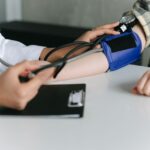
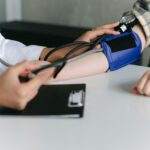
Blood pressure readings are only useful if they are accurate. Many people receive falsely high readings in medical offices due to anxiety—a phenomenon called white coat hypertension. Others have normal office readings but elevated readings at home, called masked hypertension.
To get an accurate reading, follow these steps:
- Sit quietly for five minutes before measuring. Do not talk during the measurement.
- Sit with your back supported and feet flat on the floor. Do not cross your legs.
- Place the cuff on bare skin, not over clothing, at heart level.
- Rest your arm on a flat surface, such as a table.
- Do not consume caffeine, exercise, or smoke for 30 minutes before measuring.
- Empty your bladder before measuring—a full bladder can raise readings.
Home monitoring is valuable for tracking blood pressure over time. Use a validated upper-arm monitor, not a wrist or finger device. Take readings at the same times each day, such as morning and evening, and record the results. Share these records with your healthcare provider.
Ambulatory blood pressure monitoring—wearing a device that measures pressure every 20 to 30 minutes over 24 hours—provides the most accurate picture of your true blood pressure. This method captures nighttime readings, which are strong predictors of cardiovascular risk. Some research suggests nighttime blood pressure predicts heart attacks and strokes even better than daytime readings.
What You Can Do To Keep Blood Pressure In A Healthy Range
Blood pressure responds to lifestyle factors more than almost any other cardiovascular risk factor. Even modest changes produce measurable improvements.
Sodium reduction has the strongest dietary evidence. Reducing sodium intake lowers blood pressure in most people, particularly those with hypertension or salt sensitivity. The typical American diet contains far more sodium than needed. Most sodium comes from processed and restaurant food, not the salt shaker.
Potassium intake helps counterbalance sodium. Foods rich in potassium include bananas, potatoes, leafy greens, beans, and yogurt. The DASH diet—Dietary Approaches to Stop Hypertension—emphasizes fruits, vegetables, whole grains, and low-fat dairy while limiting saturated fat and sodium. Research has consistently shown this eating pattern lowers blood pressure within weeks.
Physical activity lowers blood pressure both acutely and chronically. Aerobic exercise, such as brisk walking, cycling, or swimming, is most studied. Resistance training also helps. Current guidelines recommend at least 150 minutes of moderate-intensity aerobic activity per week.
Weight loss produces meaningful reductions. Excess body weight increases blood volume and cardiac output, raising pressure. Losing even 5 to 10 percent of body weight can reduce systolic pressure by several points.
Alcohol restriction matters. Heavy drinking raises blood pressure, and reducing intake lowers it. Limiting alcohol to no more than two drinks per day for men and one per day for women is the general guidance.
Medication becomes necessary when lifestyle changes are insufficient or when blood pressure is stage 2 or higher. Several classes of medications effectively lower blood pressure, including ACE inhibitors, ARBs, calcium channel blockers, and diuretics. The choice depends on individual factors, including age, race, and coexisting conditions. Most people require two or more medications to reach target blood pressure.
Frequently Asked Questions
What is a dangerous blood pressure reading?
A reading of 180/120 mm Hg or higher is a hypertensive crisis and requires immediate medical attention, especially if accompanied by chest pain, shortness of breath, or neurological symptoms. Seek emergency care rather than waiting to see if the reading comes down.
Can high blood pressure cause headaches?
Severe hypertension, particularly readings above 180/120, can cause headaches, but most people with high blood pressure have no symptoms at all. Headaches alone are not a reliable sign of high blood pressure, and most headaches occur in people with normal readings.
How often should I check my blood pressure at home?
If you have hypertension or are monitoring treatment, check twice daily—once in the morning and once in the evening—and take two readings one minute apart each time. If your blood pressure is normal and you have no risk factors, checking a few times per year is sufficient.
Does stress cause permanent high blood pressure?
Acute stress temporarily raises blood pressure, but whether chronic stress causes permanent hypertension is not fully established. Stress can contribute indirectly by promoting poor eating, reduced physical activity, and increased alcohol use, all of which raise blood pressure over time.
